

What Are the Symptoms of a Neuropathy Flare-Up?
Neuropathy flare-ups can cause an increase in nerve-related symptoms such as burning, tingling, numbness, and shooting pain. At NorthStar Joint & Spine in Plano, TX, patients receive personalized evaluations to understand changes in neuropathy symptoms and possible contributing factors. Board-Certified Dr. Robert J. Nocerini, MD, focuses on developing individualized pain management plans based on each patient’s condition and goals. Through targeted care approaches, NorthStar Joint & Spine helps patients explore options for managing neuropathy flare-up symptoms and improving daily comfort. For more information, contact us today or schedule an appointment online. We are conveniently located at 7704 San Jacinto Pl Suite 200 Plano, TX 75024.
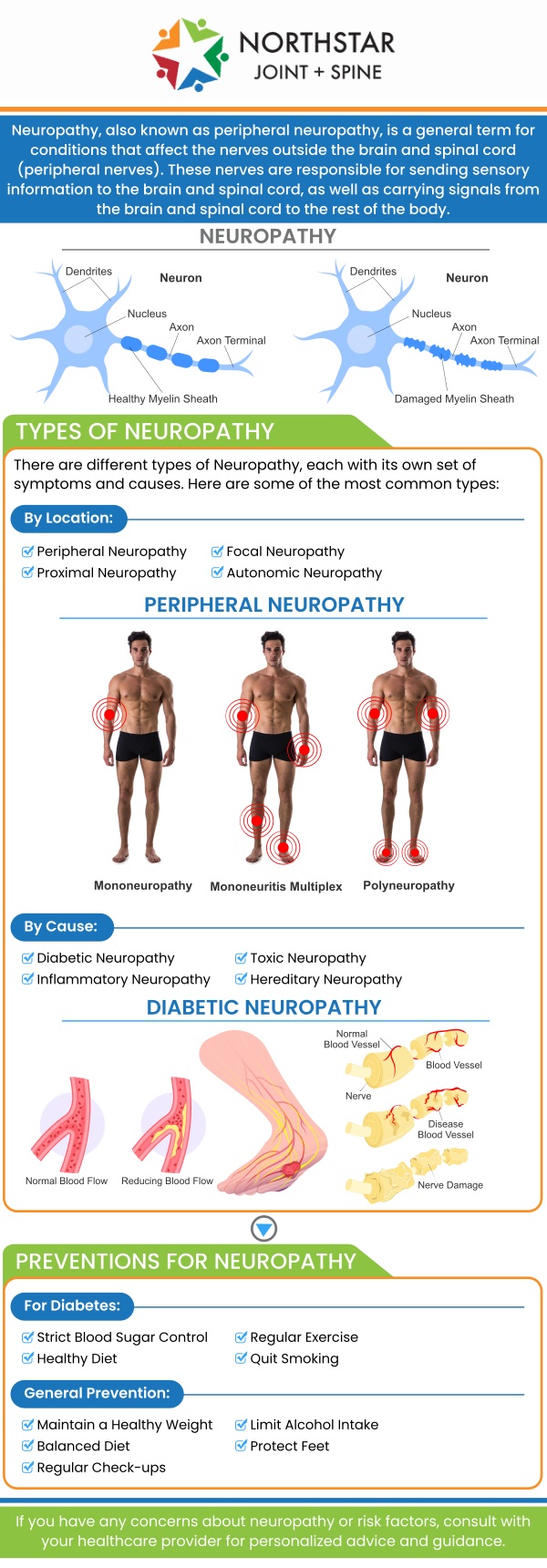
Table of Contents:
What symptoms happen during a neuropathy flare-up?
Why do neuropathy symptoms suddenly become worse?
How long do neuropathy flare-up symptoms usually last?
What can trigger a neuropathy flare-up?
Neuropathy Flare-Up Evaluation With Board-Certified Dr. Robert J. Nocerini at NorthStar Joint & Spine in Plano, TX
Peripheral neuropathy symptomscan sometimes become more noticeable during a flare-up, causing increased discomfort, sensitivity, or changes in sensation. A neuropathy flare-up may occur when irritated nerves become more reactive, leading to symptoms that can interfere with sleep, movement, and daily activities. Understanding these changes can help patients recognize when their symptoms may require further evaluation.
At NorthStar Joint & Spine in Plano, TX, Board-Certified Dr. Robert J. Nocerini, MD,evaluates nerve-related symptoms to better understand their possible causes and develop personalized pain management approaches. Identifying symptom patterns, triggers, and contributing factors can help guide appropriate care for patients experiencing recurring neuropathy flare-ups.
What symptoms happen during a neuropathy flare-up?
A neuropathy flare-up may cause existing nerve-related symptoms to become stronger or occur more frequently. While symptoms can vary depending on the nerves affected, many patients report changes in sensation, discomfort, or nerve function.
Common neuropathy flare-up symptoms may include:
• Burning sensations in the hands or feet
• Tingling or “pins and needles” feelings
• Sharp, shooting, or electric-like pain
• Increased sensitivity to touch
• Numbness or reduced sensation
• Muscle weakness
• Changes in balance or coordination
Some patients may notice that symptoms are more intense at certain times of the day, while others may experience discomfort that affects sleep or daily activities. Tracking changes in symptoms can provide helpful information during a medical evaluation. At NorthStar Joint & Spine in Plano, TX, Board-Certified Dr. Robert J. Nocerini, MD, evaluates neuropathy symptoms and develops personalized pain management plans based on each patient’s condition, concerns, and treatment goals.
Why do neuropathy symptoms suddenly become worse?
Neuropathy symptoms may worsen suddenly for several reasons, including changes in nerve sensitivity, underlying health factors, or activities that place additional stress on affected nerves. A flare-up does not always mean that nerve damage has progressed, but it may indicate that symptoms need to be reassessed.
Factors that may contribute to worsening neuropathy symptoms include:
| Possible Factor | How It May Affect Symptoms |
| Changes in blood sugar levels | May influence nerve sensitivity |
| Increased physical stress | Can make discomfort more noticeable |
| Poor sleep or fatigue | May increase pain sensitivity |
| Certain positions or pressure | May irritate affected nerves |
| Underlying health conditions | May contribute to symptom changes |
Because neuropathy can have many possible causes, identifying what may be contributing to symptom changes is an important part of creating an effective management plan.
How long do neuropathy flare-up symptoms usually last?
The duration of a neuropathy flare-up can vary from person to person. Some flare-ups may improve within a short period, while others may continue longer depending on the underlying cause, severity of symptoms, and individual response to care.
Factors that may influence how long symptoms last include:
• The cause of the neuropathy
• The severity of nerve involvement
• Overall health and medical history
• Exposure to symptom triggers
• Response to treatment and management strategies
Since neuropathy symptoms can change over time, ongoing evaluation may help determine whether adjustments to care are needed.
What can trigger a neuropathy flare-up?
Neuropathy flare-ups may occur due to different triggers, and the factors that worsen symptoms can vary from one person to another. Some patients may notice that symptoms become more noticeable after certain activities, changes in routine, or periods of increased stress, while others may experience flare-ups without a clear trigger. Understanding personal symptom patterns can help identify possible factors that contribute to increased nerve discomfort.
Possible neuropathy flare-up triggers may include:
• Prolonged pressure on affected areas: Staying in one position for extended periods or placing pressure on areas affected by nerve sensitivity may increase discomfort.
• Repetitive movements: Repeated motions involving the hands, feet, or other affected areas may contribute to increased irritation or symptom changes.
• Changes in activity levels: Sudden increases or decreases in physical activity may affect how sensitive nerves respond and may contribute to temporary symptom worsening.
• Stress and poor sleep: Emotional stress, fatigue, and lack of quality sleep may increase the body’s sensitivity to pain and make neuropathy symptoms feel more intense.
• Certain health-related factors: Changes related to underlying health conditions, medications, or overall wellness may influence the frequency and severity of flare-ups.
• Increased irritation of already sensitive nerves: When nerves are already affected, additional strain or irritation may lead to increased burning, tingling, numbness, or shooting sensations.
Keeping track of when symptoms occur, what activities were happening beforehand, and how long flare-ups last can provide valuable information during a medical evaluation. At NorthStar Joint & Spine in Plano, TX, Board-Certified Dr. Robert J. Nocerini, MD, reviews symptom patterns, medical history, and daily factors to help patients better understand their neuropathy symptoms and explore personalized pain management options.
Neuropathy Flare-Up Evaluation With Board-Certified Dr. Robert J. Nocerini at NorthStar Joint & Spine in Plano, TX
At NorthStar Joint & Spine in Plano, TX, Board-Certified Dr. Robert J. Nocerini, MD, evaluates patients experiencing neuropathy flare-ups by reviewing symptom patterns, medical history, previous treatments, and how nerve-related discomfort affects daily activities. This detailed evaluation helps identify possible contributing factors behind changes in numbness, tingling, burning sensations, or nerve pain.
Dr. Nocerini focuses on personalized pain management plans based on each patient’s specific condition and needs. Through careful assessment and targeted treatment approaches, NorthStar Joint & Spine helps patients better understand recurring neuropathy symptoms and explore appropriate options for managing nerve-related discomfort. For more information, contact us today or schedule an appointment online. We are conveniently located at 7704 San Jacinto Pl Suite 200 Plano, TX 75024. We proudly serve patients from Plano TX, Frisco TX, Allen TX, McKinney TX, Richardson TX, Carrollton TX, Addison TX, The Colony TX, North Dallas TX, and surrounding communities throughout Collin County and the Dallas-Fort Worth area.

Check Out Our 5 Star Reviews


Additional Services You May Need
▸ Lower Back Pain
▸ Back Pain
▸ Shoulder Pain
▸ Chronic Pain
▸ Epidural Steroid Injections
▸ Spinal Cord Stimulation
▸ Viscosupplementation
▸ Genicular Nerve Blocks
▸ Facet Injections
▸ Joint Injections
▸ Sacroiliac Joint Injections
▸ Lumbar and Cervical
▸ Facet Medial Branch Blocks
▸ Diagnostic Nerve Blocks
▸ Medication Management
▸ Neck Pain Doctor
▸ Diabetic Peripheral Neuropathy
▸ Headaches
▸ Suboxone
▸ Peripheral Nerve Stimulation
▸ Wrist Pain
▸ Spine
▸ Joints
▸ Muscles
▸ Bones

Additional Services You May Need
▸ Lower Back Pain
▸ Back Pain
▸ Shoulder Pain
▸ Chronic Pain
▸ Epidural Steroid Injections
▸ Spinal Cord Stimulation
▸ Viscosupplementation
▸ Genicular Nerve Blocks
▸ Facet Injections
▸ Joint Injections
▸ Sacroiliac Joint Injections
▸ Lumbar and Cervical
▸ Facet Medial Branch Blocks
▸ Diagnostic Nerve Blocks
▸ Medication Management
▸ Neck Pain Doctor
▸ Diabetic Peripheral Neuropathy
▸ Headaches
▸ Suboxone
▸ Peripheral Nerve Stimulation
▸ Wrist Pain
▸ Spine
▸ Joints
▸ Muscles
▸ Bones





 Send Text
 How May I Help You?
