

What Are the Main Causes of Neuropathy?
Neuropathy can be caused by various factors, including diabetes, which is one of the most common contributors. Other causes include infections, such as shingles, autoimmune diseases, and vitamin deficiencies, particularly B12. Exposure to toxins, certain medications, and genetic conditions can also lead to nerve damage. If you’re experiencing symptoms, Dr. Robert J. Nocerini, a board-certified specialist at Northstar Joint and Spine, can help diagnose the underlying cause and create a personalized treatment plan. For more information, contact us today or schedule an appointment online. We are conveniently located at 7704 San Jacinto Pl Suite 200 Plano, TX 75024.
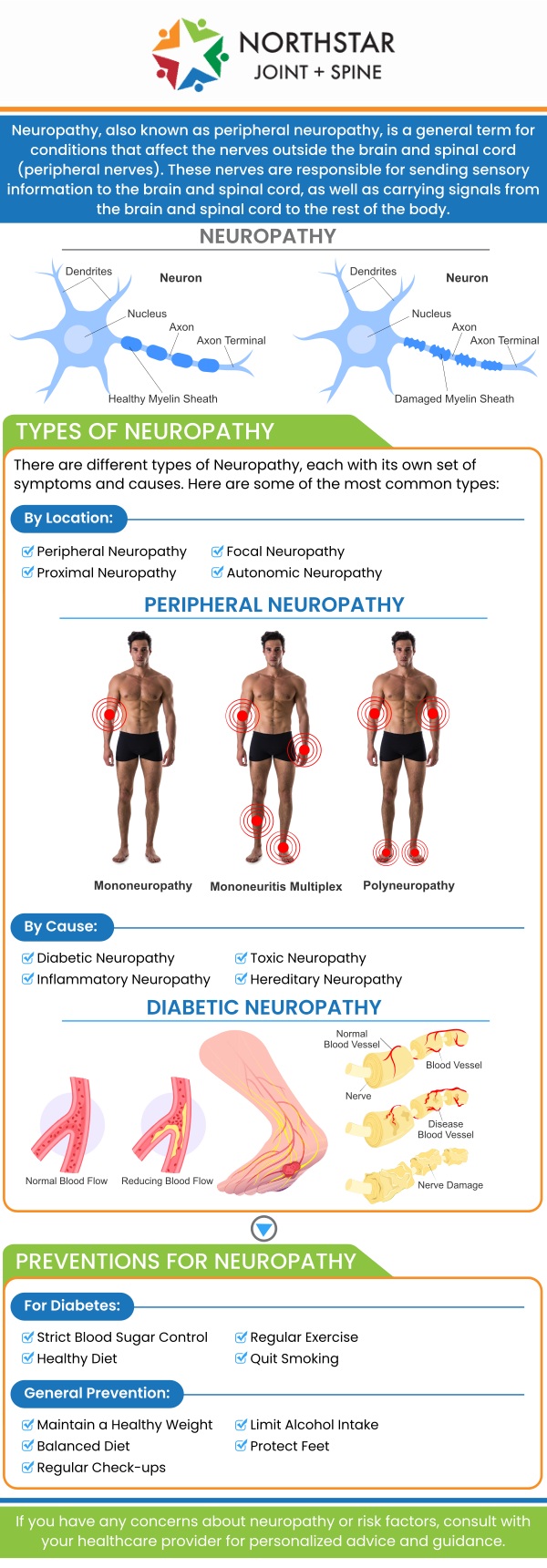
Table of Contents:
What are the common causes of neuropathy?
Can neuropathy develop without a known cause?
How does diabetes contribute to neuropathy?
Can vitamin deficiencies cause neuropathy?
How Dr. Robert J. Nocerini, MD, Identifies the Root Causes of Neuropathy
Neuropathy, or nerve damage, can result from various underlying conditions that affect the peripheral nerves.
Some of the most common causes include:
• Diabetes: High blood sugar levels, common in individuals with diabetes, can gradually damage nerves over time, particularly those in the feet and hands, leading to diabetic neuropathy.
• Infections: Infections like shingles, Lyme disease, HIV, and hepatitis C can affect nerve function, causing neuropathy as the virus or bacteria interact with the nervous system.
• Autoimmune diseases: Conditions like rheumatoid arthritis, lupus, and Guillain-Barré syndrome can lead to inflammation in the nerves, resulting in neuropathy.
• Toxins and medications: Exposure to toxic substances such as alcohol or heavy metals, as well as certain medications (e.g., chemotherapy drugs), can cause nerve damage.
• Genetic conditions: Inherited conditions, such as Charcot-Marie-Tooth disease, can cause peripheral neuropathy, typically affecting motor and sensory nerves.
• Vitamin deficiencies: Lack of essential vitamins, especially B12, can result in nerve damage and neuropathy.
If you’re experiencing symptoms of neuropathy, such as tingling or pain in the extremities, it’s crucial to consult with a healthcare provider like Dr. Robert J. Nocerini at Northstar Joint and Spine. Through thorough testing and diagnosis, Dr. Nocerini can help identify the cause and recommend an appropriate treatment plan.
Yes, neuropathy can develop without a clear or identifiable cause, which is referred to as idiopathic neuropathy. In such cases, despite thorough testing, no specific reason for the nerve damage can be pinpointed. While this can be frustrating, it is not uncommon, and many individuals with idiopathic neuropathy still experience manageable symptoms.
Possible reasons for idiopathic neuropathy include:
• Subclinical conditions: Sometimes, underlying health issues may not be detectable in standard tests or may only become evident over time.
• Genetic factors: Some forms of neuropathy are linked to genetic predispositions, which may not always show up through conventional testing.
• Environmental factors: In certain cases, environmental exposures to toxins or pollutants may contribute to nerve damage, but these may not always be identifiable.
• Lifestyle factors: Poor nutrition, lack of physical activity, or high levels of stress may contribute to the development of neuropathy, even when no specific cause can be determined.
If you are experiencing symptoms of neuropathy without a clear cause, it is important to seek guidance from a healthcare provider like Dr. Robert J. Nocerini at Northstar Joint and Spine. He can help manage the condition with personalized treatments and therapies that aim to alleviate symptoms and improve your quality of life.
Diabetes is one of the leading causes of neuropathy, specifically diabetic neuropathy, which occurs when prolonged high blood sugar levels damage the nerves.
Here’s how diabetes contributes to neuropathy:
• Elevated blood sugar levels: Chronic high blood sugar can damage the blood vessels that supply nerves with oxygen and nutrients, reducing blood flow and impairing nerve function.
• Nerve inflammation: High blood sugar can also cause inflammation in the nerves themselves, leading to pain, numbness, and other neuropathy symptoms.
• Changes in metabolism: Diabetes can alter the way the body processes nutrients and generates energy, which affects nerve cells and makes them more vulnerable to damage.
• Decreased nerve regeneration: Diabetes can reduce the body’s ability to repair and regenerate damaged nerves, which leads to more persistent nerve dysfunction over time.
Managing blood sugar levels is crucial in preventing and slowing the progression of diabetic neuropathy. If you’re experiencing symptoms like tingling, burning, or pain in the feet or hands, it’s important to work with a healthcare provider like Dr. Robert J. Nocerini at Northstar Joint and Spine. Dr. Nocerini can provide a treatment plan to help manage symptoms and improve nerve health, tailored to your specific needs.
Yes, vitamin deficiencies can contribute to neuropathy, as certain vitamins are essential for proper nerve function.
The following vitamins are particularly important for maintaining healthy nerves:
• Vitamin B12: A deficiency in vitamin B12 can lead to neuropathy, as it is essential for the production of myelin, the protective sheath around nerves. Without sufficient B12, nerves can become damaged, leading to symptoms like numbness, tingling, and pain.
• Vitamin B1 (Thiamine): Thiamine is crucial for nerve health. A deficiency can result in nerve damage, especially in conditions like beriberi, which affects peripheral nerves.
• Vitamin B6: Both vitamin B6 deficiency and excess can cause neuropathy. A lack of this vitamin can lead to nerve inflammation, contributing to symptoms like pain and weakness.
• Vitamin E: Known for its antioxidant properties, vitamin E helps protect nerves from oxidative damage. A deficiency can result in nerve degeneration and neuropathy.
If you suspect a vitamin deficiency may be contributing to your neuropathy symptoms, it’s essential to consult with a healthcare provider like Dr. Robert J. Nocerini at Northstar Joint and Spine. Dr. Nocerini can perform tests to determine whether a deficiency is present and recommend dietary changes or supplementation to support nerve health and reduce neuropathy symptoms.
At Northstar Joint and Spine in Plano, TX, Dr. Robert J. Nocerini, MD, takes a comprehensive approach to identifying the root causes of neuropathy. Neuropathy can result from various underlying conditions, such as diabetes, infections, autoimmune diseases, and even vitamin deficiencies. Dr. Nocerini starts by conducting a detailed medical history and physical examination, paying close attention to the patient’s symptoms, lifestyle, and family history. This helps him narrow down potential causes and tailor the diagnostic process to each patient’s unique situation.
To confirm the diagnosis and pinpoint the exact cause, Dr. Nocerini may use advanced diagnostic tools to assess nerve function and detect abnormalities. Additionally, he may recommend blood tests to check for conditions like diabetes, vitamin deficiencies, or autoimmune disorders that could be contributing to neuropathy. By combining these diagnostic techniques with his extensive experience, Dr. Nocerini ensures that every patient at Northstar Joint and Spine receives a personalized treatment plan aimed at addressing the underlying cause of their neuropathy, ultimately providing the most effective and lasting relief. For more information, contact us today or schedule an appointment online. We are conveniently located at 7704 San Jacinto Pl Suite 200 Plano, TX 75024. We proudly serve patients from Plano TX, Frisco TX, Allen TX, McKinney TX, Richardson TX, Carrollton TX, Addison TX, The Colony TX, North Dallas TX, and surrounding communities throughout Collin County and the Dallas-Fort Worth area.

Check Out Our 5 Star Reviews


Additional Services You May Need
▸ Lower Back Pain
▸ Back Pain
▸ Shoulder Pain
▸ Chronic Pain
▸ Epidural Steroid Injections
▸ Spinal Cord Stimulation
▸ Viscosupplementation
▸ Genicular Nerve Blocks
▸ Facet Injections
▸ Joint Injections
▸ Sacroiliac Joint Injections
▸ Lumbar and Cervical
▸ Facet Medial Branch Blocks
▸ Diagnostic Nerve Blocks
▸ Medication Management
▸ Neck Pain Doctor
▸ Diabetic Peripheral Neuropathy
▸ Headaches
▸ Suboxone
▸ Peripheral Nerve Stimulation
▸ Wrist Pain
▸ Spine
▸ Joints
▸ Muscles
▸ Bones

Additional Services You May Need
▸ Lower Back Pain
▸ Back Pain
▸ Shoulder Pain
▸ Chronic Pain
▸ Epidural Steroid Injections
▸ Spinal Cord Stimulation
▸ Viscosupplementation
▸ Genicular Nerve Blocks
▸ Facet Injections
▸ Joint Injections
▸ Sacroiliac Joint Injections
▸ Lumbar and Cervical
▸ Facet Medial Branch Blocks
▸ Diagnostic Nerve Blocks
▸ Medication Management
▸ Neck Pain Doctor
▸ Diabetic Peripheral Neuropathy
▸ Headaches
▸ Suboxone
▸ Peripheral Nerve Stimulation
▸ Wrist Pain
▸ Spine
▸ Joints
▸ Muscles
▸ Bones





 Send Text
 How May I Help You?
