

FAQs About Peripheral Neuropathy
Peripheral neuropathy is a condition that affects the nerves outside the brain and spinal cord, causing symptoms like pain, tingling, and numbness, particularly in the feet and hands. The causes can range from diabetes, infections, and alcohol consumption, to exposure to toxins or poor circulation. Board-certified Dr. Robert Nocerini at Northstar Joint and Spine provides comprehensive evaluations and treatments to help manage symptoms, reduce nerve damage, and improve overall quality of life for individuals suffering from this condition. Contact us today for more information or schedule an appointment online. We are conveniently located at 7704 San Jacinto Pl Suite 200 Plano, TX 75024.
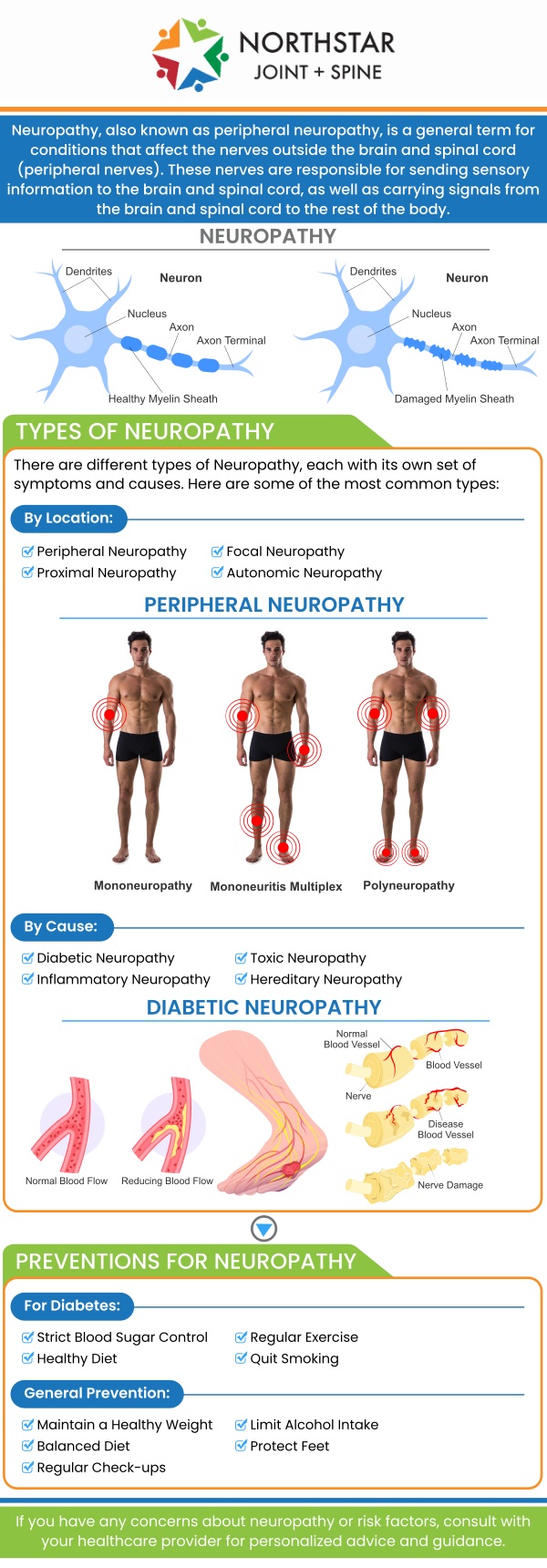
Table of Contents:
What is peripheral neuropathy, and what causes it?
What are the most common risk factors for developing peripheral neuropathy?
Can peripheral neuropathy be reversed?
What are the different types of peripheral neuropathy?
How does diabetes lead to peripheral neuropathy?
What are the complications of untreated peripheral neuropathy?
How does peripheral neuropathy affect balance and coordination?
What role does nutrition play in managing peripheral neuropathy?
How do physical therapy and exercise help with peripheral neuropathy?
What are the signs that peripheral neuropathy is getting worse?
Can peripheral neuropathy cause muscle weakness?
Is it possible to live a normal life with peripheral neuropathy?
How can I manage the pain caused by peripheral neuropathy?
Can peripheral neuropathy affect the hands as well as the feet?
How does alcohol contribute to the development of peripheral neuropathy?
Can peripheral neuropathy lead to permanent disability?
How does peripheral neuropathy affect the autonomic nervous system?
Peripheral neuropathy is a disorder that affects the peripheral nerves, causing symptoms like pain, tingling, or numbness, often in the hands and feet. It can be caused by various factors such as diabetes, infections, autoimmune diseases, or exposure to harmful toxins. Nerve damage can also result from poor circulation or nutritional deficiencies, impacting the overall function of the affected areas.
The most common risk factors for peripheral neuropathy include diabetes, alcohol abuse, and prolonged exposure to certain medications or toxins. Other contributing factors include vitamin deficiencies, particularly in B12, smoking, and hereditary conditions. Age is also a significant factor, as nerve function tends to decline naturally with time.
In most cases, peripheral neuropathy cannot be fully reversed due to permanent nerve damage. However, symptoms can be alleviated and progression can be slowed down with early diagnosis and appropriate treatments, including medications, lifestyle changes, and physical therapy. Managing underlying conditions, such as diabetes, is essential to minimize further damage.
There are several types of peripheral neuropathy, categorized based on the nerves affected. Sensory neuropathy affects the sensory nerves, leading to numbness or pain. Motor neuropathy affects the motor nerves, causing muscle weakness. Autonomic neuropathy impacts the autonomic nerves, which control involuntary functions like heart rate and digestion. Each type results in distinct symptoms depending on the area affected.
In diabetes, high blood sugar levels can damage the small blood vessels that supply the nerves, leading to reduced circulation and nerve damage. Over time, this can result in peripheral neuropathy, especially in the feet and hands. Poorly controlled blood sugar levels increase the risk of developing diabetic neuropathy, which can cause pain, tingling, or numbness in the extremities.
If peripheral neuropathy is left untreated, it can lead to severe complications such as infections, particularly in the feet, due to a lack of sensation. Untreated neuropathy can also cause muscle weakness, poor balance, and difficulty walking, increasing the risk of falls. In the long term, it can lead to permanent nerve damage and, in severe cases, loss of independence.
Peripheral neuropathy often affects the sensory nerves in the feet, which are responsible for providing feedback to the brain about balance and coordination. When these nerves are damaged, it can lead to a lack of sensation in the feet, making it difficult to maintain proper balance and coordination. This increases the risk of falls, especially in older individuals.
Good nutrition plays a crucial role in managing peripheral neuropathy. Deficiencies in vitamins like B12, B6, and E can worsen symptoms, so it’s essential to eat a balanced diet rich in these nutrients. Foods high in antioxidants and omega-3 fatty acids can help protect nerve health. Supplements may be necessary in some cases to support nerve repair and reduce inflammation.
Physical therapy and regular exercise can be highly beneficial in managing peripheral neuropathy. They help improve strength, flexibility, and coordination, which can reduce the risk of falls. Specific exercises can also alleviate pain and discomfort by increasing blood flow to the affected nerves, improving overall nerve function and quality of life.
Signs that peripheral neuropathy is worsening include increased pain or tingling sensations, particularly at night, and a noticeable loss of sensation in the feet or hands. Muscle weakness, difficulty walking, or problems with balance are also indicators that the condition may be progressing. If symptoms worsen, it’s important to seek medical attention for better management.
Yes, peripheral neuropathy can cause muscle weakness, particularly if the motor nerves are affected. This can make everyday tasks, like walking or gripping objects, more challenging. Muscle weakness occurs because the nerves that control muscle movement are impaired, leading to a decrease in muscle strength and coordination.
While peripheral neuropathy can be a challenging condition, many people are able to manage it with appropriate treatment and lifestyle adjustments. With the right medical care, physical therapy, and pain management strategies, it’s possible to lead an active and fulfilling life, though some symptoms may require ongoing management.
Managing pain from peripheral neuropathy can involve a combination of treatments such as medications, topical creams, and physical therapy. Lifestyle changes, including avoiding alcohol and smoking, can also reduce pain.
Yes, peripheral neuropathy can affect both the hands and the feet. It commonly starts in the feet and legs but can spread to the hands and arms. Symptoms such as tingling, numbness, and pain can occur in both areas, making it difficult to perform tasks that require fine motor skills, such as typing or holding objects.
Chronic alcohol consumption can damage the peripheral nerves, leading to alcoholic neuropathy. Alcohol can deplete essential nutrients like thiamine, which are necessary for nerve function. Additionally, alcohol directly affects the nerve cells, leading to inflammation and nerve damage over time, especially in the feet and hands.
In severe cases, peripheral neuropathy can lead to permanent disability, especially if left untreated. The condition can impair mobility, cause chronic pain, and result in significant weakness. It can also affect a person’s ability to perform everyday tasks, making independent living difficult without proper treatment and support.
Peripheral neuropathy can impact the autonomic nervous system, which controls involuntary functions like heart rate, digestion, and blood pressure. When the autonomic nerves are affected, it can lead to issues such as dizziness, digestive problems, and difficulty regulating body temperature, contributing to a variety of systemic symptoms. If you or a loved one is experiencing symptoms of peripheral neuropathy, it’s important to seek professional care to manage the condition effectively. Board-certified Dr. Robert Nocerini at Northstar Joint and Spine is dedicated to providing personalized treatment plans to help alleviate pain, improve function, and enhance your quality of life. Peripheral Nerve Stimulation may also be considered for patients with persistent nerve-related pain to help reduce pain signals, improve comfort, and support better daily function. Contact us today for more information or schedule an appointment online. We are conveniently located at 7704 San Jacinto Pl Suite 200 Plano, TX 75024. We proudly serve patients from Plano TX, Frisco TX, Allen TX, McKinney TX, Richardson TX, Carrollton TX, Addison TX, The Colony TX, North Dallas TX, and surrounding communities throughout Collin County and the Dallas-Fort Worth area.

Check Out Our 5 Star Reviews


Additional Services You May Need
▸ Lower Back Pain
▸ Back Pain
▸ Shoulder Pain
▸ Chronic Pain
▸ Epidural Steroid Injections
▸ Spinal Cord Stimulation
▸ Viscosupplementation
▸ Genicular Nerve Blocks
▸ Facet Injections
▸ Joint Injections
▸ Sacroiliac Joint Injections
▸ Lumbar and Cervical
▸ Facet Medial Branch Blocks
▸ Diagnostic Nerve Blocks
▸ Medication Management
▸ Neck Pain Doctor
▸ Diabetic Peripheral Neuropathy
▸ Headaches
▸ Suboxone
▸ Peripheral Nerve Stimulation
▸ Wrist Pain
▸ Spine
▸ Joints
▸ Muscles
▸ Bones

Additional Services You May Need
▸ Lower Back Pain
▸ Back Pain
▸ Shoulder Pain
▸ Chronic Pain
▸ Epidural Steroid Injections
▸ Spinal Cord Stimulation
▸ Viscosupplementation
▸ Genicular Nerve Blocks
▸ Facet Injections
▸ Joint Injections
▸ Sacroiliac Joint Injections
▸ Lumbar and Cervical
▸ Facet Medial Branch Blocks
▸ Diagnostic Nerve Blocks
▸ Medication Management
▸ Neck Pain Doctor
▸ Diabetic Peripheral Neuropathy
▸ Headaches
▸ Suboxone
▸ Peripheral Nerve Stimulation
▸ Wrist Pain
▸ Spine
▸ Joints
▸ Muscles
▸ Bones





 Send Text
 How May I Help You?
