

What Is Neuropathy?
Neuropathy is a condition that affects the peripheral nerves, causing symptoms such as pain, tingling, numbness, and weakness, typically in the hands and feet. It can result from various factors, including diabetes, infections, autoimmune diseases, or even certain medications. Neuropathy can interfere with daily activities and, if left untreated, may worsen over time. Board-Certified Dr. Robert J. Nocerini, MD, at Northstar Joint and Spine in Plano, TX, specializes in diagnosing and treating neuropathy to help patients manage symptoms and improve their quality of life. For more information, contact us today or schedule an appointment online. We are conveniently located at 7704 San Jacinto Pl Suite 200 Plano, TX 75024.
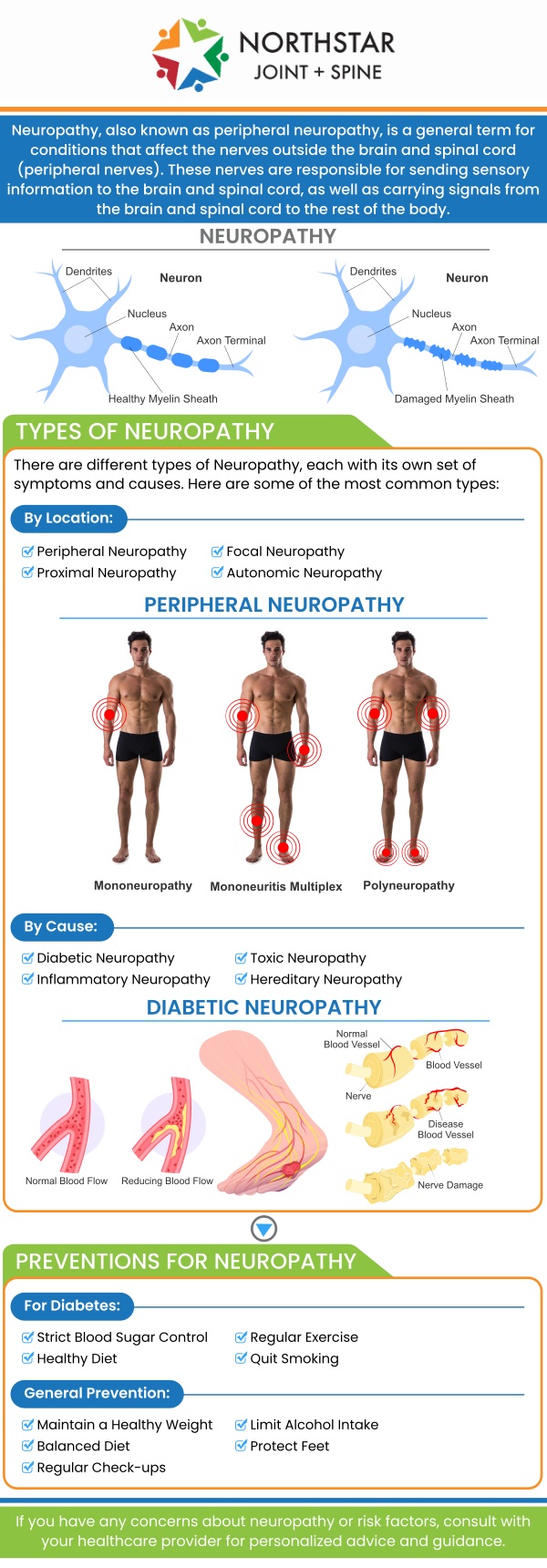
Table of Contents:
What are the most common types of neuropathy?
Is neuropathy a progressive condition?
What are the long-term effects of neuropathy?
Does neuropathy cause muscle atrophy?
Can neuropathy affect other organs besides the nerves?
Neuropathy Treatment and Care with Dr. Robert Nocerini at Northstar Joint and Spine in Plano, TX
Neuropathy is a condition that affects the peripheral nerves, leading to symptoms such as pain, tingling, numbness, and weakness. There are several types of neuropathy, and the most common ones are often linked to underlying health conditions. Board-Certified Dr. Robert J. Nocerini, MD, at Northstar Joint and Spine in Plano, TX, is dedicated to providing accurate diagnoses and personalized treatment plans to help manage and alleviate symptoms of neuropathy.
One of the most common types is diabetic neuropathy, which is a result of high blood sugar levels damaging the nerves over time. This type of neuropathy typically affects the feet and legs but can also impact other areas of the body. Peripheral neuropathy is another common type, affecting the nerves outside of the brain and spinal cord. It can be caused by various factors, including diabetes, infections, and alcohol abuse. Symptoms often include tingling, pain, and sensitivity to touch.
Another prevalent form is autonomic neuropathy, which affects the nerves controlling automatic bodily functions such as blood pressure, heart rate, and digestion. This type can lead to symptoms like dizziness, digestive issues, and abnormal heart rates. Carpal tunnel syndrome is another common neuropathy, affecting the median nerve in the wrist, causing pain, numbness, and tingling in the hands and fingers, often due to repetitive hand movements.
At Northstar Joint and Spine, Dr. Nocerini takes a comprehensive approach to diagnosing and treating neuropathy. By identifying the specific type of neuropathy and its underlying cause, he can develop a personalized treatment plan to address your symptoms and improve your quality of life. If you’re experiencing symptoms of neuropathy, contact us today to schedule a consultation with Dr. Robert J. Nocerini, MD, and take the first step toward effective relief.
Yes, neuropathy can be a progressive condition, meaning it may worsen over time if not properly managed. Board-Certified Dr. Robert J. Nocerini, MD, at Northstar Joint and Spine in Plano, TX, works closely with patients to evaluate the progression of their neuropathy and create tailored treatment plans aimed at slowing or halting further nerve damage. While the rate at which neuropathy progresses can vary from person to person, early diagnosis and intervention are key to managing symptoms and improving quality of life.
In many cases, neuropathy begins with mild symptoms, such as tingling or numbness, and can gradually progress to more severe symptoms like chronic pain, muscle weakness, and loss of sensation. The underlying cause of neuropathy plays a significant role in its progression. For example, diabetic neuropathy can worsen if blood sugar levels are not effectively managed, while peripheral neuropathy caused by other conditions like infections or autoimmune diseases may also advance if left untreated.
Dr. Nocerini utilizes advanced diagnostic tools and a comprehensive approach to assess the severity and potential progression of neuropathy. Based on your unique condition, he will recommend a combination of therapies, lifestyle changes, and medical treatments designed to manage symptoms and slow down the progression of nerve damage.
At Northstar Joint and Spine, we understand the importance of proactive care when it comes to neuropathy. If you’re experiencing symptoms such as tingling, numbness, or pain in your extremities, contact us today to schedule a consultation with Dr. Robert J. Nocerini, MD. Early treatment and personalized care can help prevent the condition from worsening and improve your overall well-being.
Neuropathy, when left untreated or unmanaged, can lead to a range of long-term effects that significantly impact a person’s daily life. Board-Certified Dr. Robert J. Nocerini, MD, at Northstar Joint and Spine in Plano, TX, provides expert care to help manage neuropathy and reduce the risk of long-term complications. The long-term effects of neuropathy depend on the type, severity, and underlying cause of the condition, but there are several common outcomes that many patients experience.
One of the most common long-term effects of neuropathy is chronic pain, which may manifest as burning, stabbing, or shooting sensations. Over time, the pain can become more persistent and difficult to manage, making everyday activities increasingly challenging. Numbness and loss of sensation in the hands, feet, or other extremities can also become more pronounced. This lack of feeling can lead to a higher risk of falls, as you may not be able to feel pain or changes in temperature, such as walking on a hot surface or stepping on something sharp.
In some cases, muscle weakness and atrophy (muscle wasting) can occur if the affected nerves no longer function properly. This can limit mobility and affect the ability to perform simple tasks. Additionally, autonomic neuropathy, which affects the nerves controlling bodily functions such as blood pressure and digestion, can lead to more serious issues like abnormal heart rates, gastrointestinal problems, and difficulty regulating body temperature.
At Northstar Joint and Spine, Dr. Nocerini takes a comprehensive approach to treating neuropathy, focusing on slowing the progression of the condition and improving quality of life. If you’re experiencing symptoms of neuropathy, contact us today to schedule a consultation with Dr. Robert J. Nocerini, MD. Early intervention and personalized treatment are key to preventing long-term complications and improving your well-being.
Yes, neuropathy can contribute to muscle atrophy, which refers to the wasting or weakening of muscles. Board-Certified Dr. Robert J. Nocerini, MD, at Northstar Joint and Spine in Plano, TX, provides expert care for patients experiencing neuropathy and its potential long-term effects, including muscle atrophy. When neuropathy affects the nerves responsible for muscle control, it can disrupt normal movement and function, leading to muscle weakness and, over time, atrophy.
Muscle atrophy in neuropathy occurs when the nerves that stimulate the muscles are damaged. Without proper nerve signals, the muscles don’t receive the activation they need to stay strong and functional. As a result, muscles begin to shrink and lose mass, making it difficult to perform everyday activities. This condition can affect both the strength and the endurance of muscles, especially in the hands, feet, and legs, where neuropathy is most commonly felt.
The severity of muscle atrophy varies depending on the extent of nerve damage and how long the neuropathy has been untreated. In addition to muscle wasting, patients may also experience increased stiffness, limited range of motion, and difficulty maintaining balance, which can further impact mobility and daily life.
At Northstar Joint and Spine, Dr. Nocerini emphasizes early intervention and personalized treatment to help manage the symptoms of neuropathy and prevent complications like muscle atrophy. By addressing the underlying nerve issues and incorporating physical therapy, strength-building exercises, and other treatments, Dr. Nocerini helps patients improve their strength and mobility.
Yes, neuropathy can affect organs beyond the nerves themselves. While neuropathy primarily targets the peripheral nerves, its impact can extend to various bodily systems, leading to complications in other organs. Board-Certified Dr. Robert J. Nocerini, MD, at Northstar Joint and Spine in Plano, TX, provides comprehensive care to help manage neuropathy and its far-reaching effects. Understanding how neuropathy can impact multiple organs is essential in preventing further health issues and improving overall well-being.
One of the most common ways neuropathy can affect other organs is through autonomic neuropathy, which involves the nerves that control involuntary functions such as heart rate, blood pressure, digestion, and temperature regulation. When these nerves are damaged, it can lead to a range of complications, including difficulty regulating blood pressure, digestive issues like constipation or diarrhea, and abnormal heart rhythms. In severe cases, autonomic neuropathy can even affect kidney function and bladder control.
Neuropathy can also contribute to muscle weakness and atrophy, leading to difficulties with mobility and making it harder for individuals to perform routine tasks. This can affect the lungs and diaphragm, leading to challenges with breathing and overall respiratory function. In some cases, the reduced muscle strength can also lead to joint deformities, further compromising physical health.
At Northstar Joint and Spine, Dr. Nocerini takes a holistic approach to treating neuropathy, focusing not just on alleviating symptoms but also preventing damage to other organs.
At Northstar Joint and Spine in Plano, TX, Board-Certified Dr. Robert J. Nocerini, MD, offers personalized neuropathy treatment to help manage symptoms and improve your quality of life. Using advanced diagnostic tools and a comprehensive approach, Dr. Nocerini targets the root cause of neuropathy and provides tailored treatment plans designed for long-term relief. Whether you’re dealing with tingling, numbness, or chronic pain, Dr. Nocerini is committed to delivering effective, compassionate care.
If you’re seeking expert neuropathy care in Plano, TX, Dr. Nocerini and the team at Northstar Joint and Spine are here to help. With a focus on patient-centered care, we ensure that your treatment plan is tailored to your specific needs, offering a combination of therapies to help you regain mobility and reduce discomfort. Contact us today to schedule a consultation and take the first step toward lasting relief. We are conveniently located at 7704 San Jacinto Pl Suite 200 Plano, TX 75024. We proudly serve patients from Plano TX, Frisco TX, Allen TX, McKinney TX, Richardson TX, Carrollton TX, Addison TX, The Colony TX, North Dallas TX, and surrounding communities throughout Collin County and the Dallas-Fort Worth area.

Check Out Our 5 Star Reviews


Additional Services You May Need
▸ Lower Back Pain
▸ Back Pain
▸ Shoulder Pain
▸ Chronic Pain
▸ Epidural Steroid Injections
▸ Spinal Cord Stimulation
▸ Viscosupplementation
▸ Genicular Nerve Blocks
▸ Facet Injections
▸ Joint Injections
▸ Sacroiliac Joint Injections
▸ Lumbar and Cervical
▸ Facet Medial Branch Blocks
▸ Diagnostic Nerve Blocks
▸ Medication Management
▸ Neck Pain Doctor
▸ Diabetic Peripheral Neuropathy
▸ Headaches
▸ Suboxone
▸ Peripheral Nerve Stimulation
▸ Wrist Pain
▸ Spine
▸ Joints
▸ Muscles
▸ Bones

Additional Services You May Need
▸ Lower Back Pain
▸ Back Pain
▸ Shoulder Pain
▸ Chronic Pain
▸ Epidural Steroid Injections
▸ Spinal Cord Stimulation
▸ Viscosupplementation
▸ Genicular Nerve Blocks
▸ Facet Injections
▸ Joint Injections
▸ Sacroiliac Joint Injections
▸ Lumbar and Cervical
▸ Facet Medial Branch Blocks
▸ Diagnostic Nerve Blocks
▸ Medication Management
▸ Neck Pain Doctor
▸ Diabetic Peripheral Neuropathy
▸ Headaches
▸ Suboxone
▸ Peripheral Nerve Stimulation
▸ Wrist Pain
▸ Spine
▸ Joints
▸ Muscles
▸ Bones





 Send Text
 How May I Help You?
