

Neuropathy Symptoms: What You Need to Know About Nerve Damage
Neuropathy symptoms can range from tingling and numbness to sharp, burning pain, often affecting the hands, feet, or legs. Nerve damage occurs when the peripheral nerves are disrupted, leading to difficulty with sensation, movement, and coordination. Common causes of neuropathy include diabetes, infections, and vitamin deficiencies. If you’re experiencing these symptoms, it’s essential to seek evaluation from a specialist, such as Board-certified Dr. Robert J. Nocerini at Northstar Joint and Spine, to diagnose the cause and initiate an effective treatment plan. For more information contact us today or schedule an appointment online. We are conveniently located at 7704 San Jacinto Pl Suite 200 Plano, TX 75024.
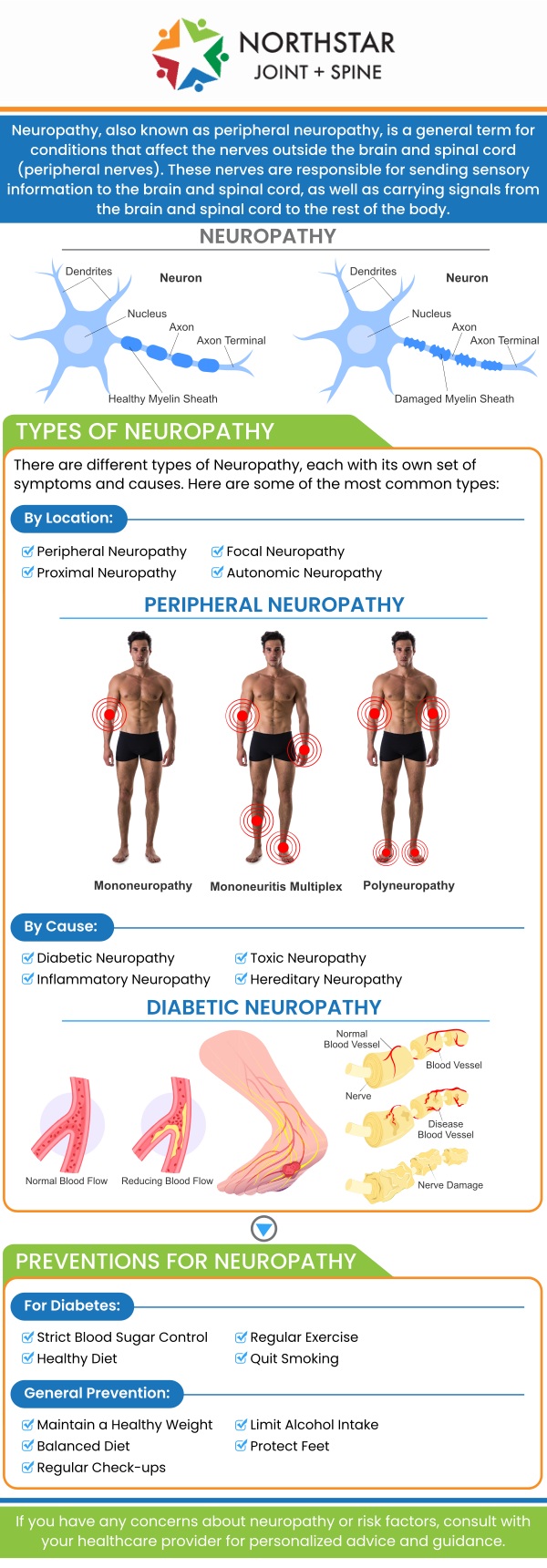
Table of Contents:
What are the most common symptoms of neuropathy?
Does neuropathy always cause pain?
What does neuropathy pain feel like?
Can neuropathy cause muscle weakness?
How Dr. Robert J. Nocerini, MD, Diagnoses and Manages Neuropathy Symptoms at Northstar Joint and Spine
Neuropathy, often referred to as peripheral neuropathy, occurs when nerves outside the brain and spinal cord are damaged. The symptoms can vary depending on the type of nerves affected, but some of the most common signs include:
• Tingling or numbness: Often felt in the hands, feet, or legs, tingling or “pins and needles” sensations are common early symptoms of neuropathy.
• Sharp, burning, or stabbing pain: Neuropathy can cause intense pain that is often described as burning, stabbing, or electric-like. This pain may be constant or intermittent.
• Weakness: Nerve damage can result in muscle weakness, particularly in the hands or feet, making it harder to perform everyday tasks like gripping objects or walking.
• Sensitivity to touch: People with neuropathy may experience heightened sensitivity to touch, where even the slightest contact can feel painful.
• Loss of coordination: Neuropathy can affect balance, leading to difficulty walking, frequent tripping, or unsteadiness while standing.
• Increased or decreased sweating: Some people with neuropathy experience changes in how much they sweat, either excessively or not enough, particularly in the hands or feet.
The specific symptoms you experience may depend on whether the sensory, motor, or autonomic nerves are involved. If you’re experiencing any of these symptoms, it’s important to consult a healthcare provider, such as Dr. Robert J. Nocerini at Northstar Joint and Spine, who can evaluate your condition and provide a tailored treatment plan to address your neuropathy symptoms.
No, neuropathy does not always cause pain. While pain is a common symptom of neuropathy, it is not experienced by every person affected by the condition. Neuropathy can present in various forms, and some individuals may experience only sensory changes, like numbness or tingling, without any significant pain.
• Sensory neuropathy: Some individuals with neuropathy may feel numbness, tingling, or a loss of sensation without significant pain.
• Autonomic neuropathy: This affects the autonomic nerves that control involuntary functions, such as blood pressure, heart rate, and digestion. Symptoms may include dizziness, digestive problems, or issues with sweating, without any pain.
• Motor neuropathy: Neuropathy can also affect the muscles, leading to weakness or difficulty with movement, but pain may not always be a prominent symptom.
While pain is common in conditions like diabetic neuropathy or idiopathic neuropathy, it is not a requirement for a diagnosis of neuropathy. If you suspect you have neuropathy, even in the absence of pain, it is crucial to seek medical advice from a healthcare provider like Dr. Robert J. Nocerini at Northstar Joint and Spine to receive an accurate diagnosis and explore treatment options that can help manage symptoms.
Neuropathy pain can vary greatly from person to person, but it is often described in ways that highlight its distinctive qualities.
Some common descriptions of neuropathy pain include:
• Burning: Many individuals with neuropathy report a sensation of burning, particularly in the hands, feet, or legs. This can feel similar to the sensation of touching a hot object, but it persists without any external heat source.
• Stabbing or shooting pain: Some people experience sharp, stabbing, or shooting pain that can be sudden and intense. This kind of pain may feel like an electric shock or jolt traveling down an arm or leg.
• Tingling or “pins and needles”: This sensation is often one of the first signs of neuropathy. It can feel like a numb or prickling sensation, especially in the extremities like the fingers or toes.
• Hypersensitivity: Neuropathy can cause areas of the skin to become unusually sensitive, so even light touches may feel painful. This can make everyday activities, such as wearing socks or shoes, uncomfortable.
• Throbbing or aching pain: In some cases, neuropathy pain may be more of a dull, aching sensation that can be continuous or worsen over time, particularly in the legs or feet.
Neuropathy pain can be unpredictable, ranging from mild discomfort to severe, debilitating pain. If you experience any form of neuropathic pain, it’s crucial to discuss your symptoms with a healthcare provider like Dr. Robert J. Nocerini at Northstar Joint and Spine. He can help you develop an effective treatment plan to manage and alleviate the pain caused by neuropathy.
Yes, neuropathy can cause muscle weakness, especially when motor nerves are involved. Motor nerves control muscle movements, so when these nerves are damaged due to neuropathy, the muscles they control may become weak or less responsive. Muscle weakness related to neuropathy can occur in various parts of the body, typically in the arms, hands, legs, or feet.
How neuropathy causes muscle weakness:
• Damage to motor nerves: When the motor nerves are damaged, they fail to properly send signals from the brain to the muscles. As a result, the muscles may not contract as effectively, leading to weakness and difficulty performing tasks.
• Atrophy: Over time, muscle weakness from neuropathy can lead to atrophy, where muscles shrink or waste away. This can make it harder to perform routine activities like walking, holding objects, or climbing stairs.
• Imbalance and coordination issues: As the muscles weaken, coordination and balance may also be affected. This can increase the risk of falls, especially in the lower limbs, where neuropathy-related weakness is most common.
The extent of muscle weakness depends on the severity and type of neuropathy. Early intervention with treatments such as physical therapy, medications, or lifestyle changes can help improve muscle strength and prevent further weakening. If you’re experiencing muscle weakness along with other neuropathy symptoms, it’s important to consult Dr. Robert J. Nocerini at Northstar Joint and Spine to develop a tailored treatment plan designed to improve your strength, mobility, and overall quality of life.
Dr. Robert J. Nocerini, MD, at Northstar Joint and Spine in Plano, TX, offers expert care for patients experiencing neuropathy symptoms. Neuropathy can cause a wide range of symptoms, from tingling and numbness to burning and sharp pain, often affecting the hands, feet, or legs. Dr. Nocerini takes a comprehensive approach to diagnosis, beginning with a thorough physical exam, detailed medical history, and targeted testing. Diagnostic tools, including nerve conduction studies or imaging, may be used to pinpoint the underlying cause of neuropathy, whether it’s due to diabetes, nerve compression, or other factors.
Once diagnosed, Dr. Nocerini provides personalized treatment plans aimed at alleviating symptoms and improving quality of life. At Northstar Joint and Spine, he utilizes a combination of non-surgical treatments, such as medication management, physical therapy, and lifestyle modifications, to manage neuropathy symptoms effectively. For patients with more severe cases, Dr. Nocerini may recommend advanced procedures like nerve blocks or injections to provide pain relief and reduce inflammation. His patient-centered approach ensures that each treatment plan is tailored to the specific needs of the patient, helping them achieve long-term relief and regain mobility. For more information, contact us today or schedule an appointment online. We are conveniently located at 7704 San Jacinto Pl Suite 200 Plano, TX 75024. We proudly serve patients from Plano TX, Frisco TX, Allen TX, McKinney TX, Richardson TX, Carrollton TX, Addison TX, The Colony TX, North Dallas TX, and surrounding communities throughout Collin County and the Dallas-Fort Worth area.

Check Out Our 5 Star Reviews


Additional Services You May Need
▸ Lower Back Pain
▸ Back Pain
▸ Shoulder Pain
▸ Chronic Pain
▸ Epidural Steroid Injections
▸ Spinal Cord Stimulation
▸ Viscosupplementation
▸ Genicular Nerve Blocks
▸ Facet Injections
▸ Joint Injections
▸ Sacroiliac Joint Injections
▸ Lumbar and Cervical
▸ Facet Medial Branch Blocks
▸ Diagnostic Nerve Blocks
▸ Medication Management
▸ Neck Pain Doctor
▸ Diabetic Peripheral Neuropathy
▸ Headaches
▸ Suboxone
▸ Peripheral Nerve Stimulation
▸ Wrist Pain
▸ Spine
▸ Joints
▸ Muscles
▸ Bones

Additional Services You May Need
▸ Lower Back Pain
▸ Back Pain
▸ Shoulder Pain
▸ Chronic Pain
▸ Epidural Steroid Injections
▸ Spinal Cord Stimulation
▸ Viscosupplementation
▸ Genicular Nerve Blocks
▸ Facet Injections
▸ Joint Injections
▸ Sacroiliac Joint Injections
▸ Lumbar and Cervical
▸ Facet Medial Branch Blocks
▸ Diagnostic Nerve Blocks
▸ Medication Management
▸ Neck Pain Doctor
▸ Diabetic Peripheral Neuropathy
▸ Headaches
▸ Suboxone
▸ Peripheral Nerve Stimulation
▸ Wrist Pain
▸ Spine
▸ Joints
▸ Muscles
▸ Bones





 Send Text
 How May I Help You?
