

What Are the Main Causes of Wrist Pain?
Wrist pain can result from repetitive motions, such as typing, texting, or manual tasks, which place strain on the tendons and joints. Inflammatory conditions, degenerative changes, or nerve compression may also contribute to discomfort, stiffness, or tingling in the wrist and hand. At Northstar Joint and Spine, Board-Certified Dr. Robert Nocerini evaluates each patient to identify the underlying cause and develop a personalized care plan focused on reducing pain, improving mobility, and supporting long-term wrist health. For more information, contact us today or book an appointment online. We are conveniently located at 7704 San Jacinto Pl Suite 200 Plano, TX 75024.
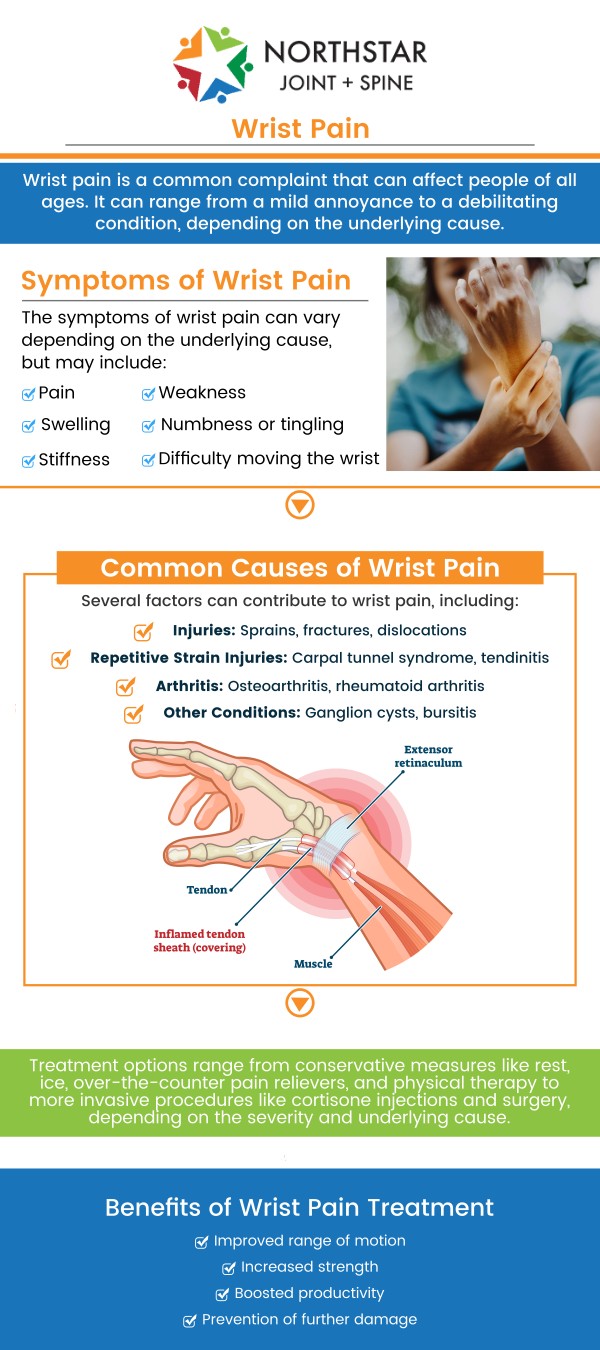
Table of Contents:
What are the causes of wrist pain?
How is wrist pain diagnosed?
How can I prevent wrist pain from getting worse?
What should I do if wrist pain is severe or sudden?
Understanding Wrist Pain Causes With Board-Certified Dr. Robert Nocerini at Northstar Joint and Spine in Plano, TX
Wrist pain can arise from a variety of factors that affect the bones, joints, tendons, and ligaments in the area. Repetitive motion is one of the most common contributors, especially for individuals who frequently type, use smartphones, perform manual labor, or engage in sports that involve the hands. Overuse of the wrist can strain tendons and muscles, leading to inflammation, stiffness, and discomfort.
Degenerative conditions such as osteoarthritis may also cause wrist pain. Over time, the cartilage within the wrist joints can wear down, resulting in joint stiffness, swelling, and tenderness. Inflammatory conditions like rheumatoid arthritis can similarly affect the wrist, producing persistent pain, swelling, and limited mobility. Structural factors, including abnormal joint alignment or congenital differences, may predispose certain individuals to wrist discomfort.
Other potential causes include nerve compression or irritation, particularly in the area of the carpal tunnel. This can lead to tingling, numbness, and pain radiating through the wrist and into the hand or fingers. In addition, inflammation of the tendons (tendinitis) or fluid-filled sacs (bursitis) surrounding the wrist joint can contribute to persistent pain.
Understanding the underlying cause of wrist pain is essential for effective management. Identifying whether the discomfort originates from overuse, inflammation, or degenerative changes allows healthcare providers to develop targeted strategies for relief and prevention. Early evaluation and proper guidance can reduce the likelihood of chronic pain and help preserve wrist function.
By recognizing the common causes and contributing factors, individuals can take proactive steps to protect wrist health. Adjusting daily activities, using ergonomic tools, and incorporating stretching or strengthening exercises are all strategies that may help reduce stress on the wrist and prevent the progression of discomfort over time.
Diagnosing wrist pain begins with a thorough evaluation of a patient’s medical history and a detailed discussion of their symptoms. Healthcare providers ask about the location, intensity, and duration of the pain, as well as any patterns related to daily activities or specific movements. This information helps identify potential causes and guides the physical examination.
During the physical exam, clinicians assess the wrist for swelling, tenderness, range of motion, and strength. Specific maneuvers may be performed to identify signs of nerve compression, tendon irritation, or joint instability. Observing hand and wrist movements can also provide insight into functional limitations and potential sources of pain.
Imaging tests often support the diagnosis by providing a detailed view of the wrist’s bones, joints, and surrounding soft tissues. X-rays can detect degenerative changes or abnormal bone structures, while magnetic resonance imaging (MRI) provides detailed images of ligaments, tendons, and cartilage. In some cases, ultrasound may be used to evaluate soft tissue inflammation or fluid accumulation.
Laboratory tests may also be ordered if an inflammatory or systemic condition, such as rheumatoid arthritis, is suspected. Blood tests can help identify markers of inflammation or autoimmune activity, offering additional information to guide management.
An accurate diagnosis is critical for effective treatment. By determining the specific cause of wrist pain, healthcare providers can recommend targeted interventions, lifestyle adjustments, and activity modifications that reduce discomfort and improve function. Early evaluation and a structured care plan can help prevent the progression of pain and support long-term wrist health.
Preventing wrist pain from worsening involves a combination of activity modifications, ergonomic adjustments, and exercises designed to strengthen and support the wrist. One key strategy is to limit repetitive movements that strain the tendons and joints. Regular breaks during typing, texting, or manual tasks can reduce stress on the wrist and allow tissues to recover.
Ergonomic modifications are also important. Using keyboards and workstations designed to maintain neutral wrist positions can minimize pressure on the joints and surrounding tendons. Proper posture while performing activities helps distribute forces evenly, reducing strain. Wearing supportive wrist braces or splints during high-risk activities may also provide stability and prevent overextension.
Strengthening and stretching exercises can maintain flexibility and improve muscle support around the wrist. Simple range-of-motion exercises, tendon glides, and gentle stretches can help reduce stiffness and improve circulation. Maintaining overall fitness and hand strength also supports joint stability and can prevent worsening pain.
Lifestyle adjustments, such as avoiding prolonged gripping or lifting heavy objects without proper technique, help protect the wrist. Maintaining a healthy weight and staying active improves circulation and supports joint health throughout the body, including the wrists.
Early attention to minor discomfort is crucial. If wrist pain is noticed, addressing it promptly through rest, modification of repetitive activities, and guided exercises can prevent escalation. Seeking evaluation from a healthcare provider ensures proper guidance and personalized recommendations for managing symptoms and preserving wrist function over time.
Severe or sudden wrist pain should be addressed promptly to determine the underlying cause and prevent further complications. If the pain appears abruptly or is intense enough to limit movement, it is important to seek evaluation from a qualified healthcare provider. Early assessment can help distinguish between conditions that require immediate attention and those that can be managed with conservative measures.
During the evaluation, clinicians will assess the wrist for swelling, tenderness, range of motion, and functional limitations. Diagnostic imaging, such as X-rays or MRI, may be ordered to provide a clear view of bones, joints, and soft tissues. Identifying the cause quickly ensures that targeted interventions can be implemented to reduce pain, prevent further stress, and restore mobility.
In the meantime, minimizing movement that exacerbates the pain and applying supportive measures such as gentle rest or stabilization can provide temporary relief. Avoiding activities that increase strain on the wrist is important to prevent worsening discomfort. Applying cold or warm compresses, depending on the nature of the pain, may help reduce swelling or stiffness.
Follow-up care often includes personalized guidance on exercises, activity modification, and lifestyle strategies to manage symptoms and maintain wrist function. Seeking timely evaluation and adhering to recommendations from a healthcare provider improves the likelihood of recovery, reduces the risk of chronic pain, and supports long-term wrist health.
Wrist pain may sometimes be related to nerve irritation, joint conditions, inflammation, or other underlying pain concerns. At Northstar Joint & Spine, Dr. Robert Nocerini, MD provides comprehensive evaluations and personalized treatment options to help patients understand the source of their symptoms and explore appropriate care solutions.
Wrist Pain Treatment in Plano, TX
Learn how personalized wrist pain treatment approaches can help address discomfort caused by overuse, nerve compression, arthritis, tendon irritation, and other conditions affecting wrist function.
Nerve Pain Treatment in Plano, TX
Discover treatment options for nerve-related symptoms, including burning sensations, tingling, numbness, and weakness that may affect the wrist, hand, or arm.
Neuropathy Treatment in Plano, TX
Explore the causes, symptoms, and treatment options for neuropathy, including nerve pain, numbness, and tingling that may impact the hands, feet, and other areas of the body.
Peripheral Nerve Stimulation for Chronic Pain
Learn how Peripheral Nerve Stimulation (PNS) may help manage certain types of chronic nerve-related pain by targeting specific nerves involved in ongoing discomfort.
Back Pain Treatment in Plano, TX
Understand how spine-related conditions and nerve irritation may contribute to symptoms that extend beyond the back, including pain, tingling, or discomfort affecting the arms, hands, and wrists.
Wrist pain can result from a variety of factors affecting the bones, joints, tendons, and ligaments in the area. Repetitive motions, such as typing, using smartphones, or performing manual tasks, can place strain on the wrist over time, leading to discomfort and inflammation. Degenerative conditions like osteoarthritis or inflammatory conditions such as rheumatoid arthritis may also contribute to persistent wrist pain. At Northstar Joint and Spine in Plano, TX, Board-Certified Dr. Robert Nocerini evaluates each patient to determine the root cause and develop a tailored plan for symptom management and joint support.
Structural differences, including joint alignment or variations in hand and wrist anatomy, can increase stress on the wrist, making it more susceptible to irritation. Nerve compression or tendon inflammation may further contribute to pain, tingling, or stiffness. Dr. Nocerini works closely with patients to provide guidance on lifestyle adjustments, exercises, and strategies to reduce stress on the wrist and preserve long-term function. Early evaluation and individualized care can improve comfort, enhance mobility, and support overall wrist health. For more information, contact us today or book an appointment online. We are conveniently located at 7704 San Jacinto Pl Suite 200 Plano, TX 75024. We proudly serve patients from Plano TX, Frisco TX, Allen TX, McKinney TX, Richardson TX, Carrollton TX, Addison TX, The Colony TX, North Dallas TX, and surrounding communities throughout Collin County and the Dallas-Fort Worth area.

Check Out Our 5 Star Reviews


Additional Services You May Need
▸ Lower Back Pain
▸ Back Pain
▸ Shoulder Pain
▸ Chronic Pain
▸ Epidural Steroid Injections
▸ Spinal Cord Stimulation
▸ Viscosupplementation
▸ Genicular Nerve Blocks
▸ Facet Injections
▸ Joint Injections
▸ Sacroiliac Joint Injections
▸ Lumbar and Cervical
▸ Facet Medial Branch Blocks
▸ Diagnostic Nerve Blocks
▸ Medication Management
▸ Neck Pain Doctor
▸ Diabetic Peripheral Neuropathy
▸ Headaches
▸ Suboxone
▸ Peripheral Nerve Stimulation
▸ Wrist Pain
▸ Spine
▸ Joints
▸ Muscles
▸ Bones

Additional Services You May Need
▸ Lower Back Pain
▸ Back Pain
▸ Shoulder Pain
▸ Chronic Pain
▸ Epidural Steroid Injections
▸ Spinal Cord Stimulation
▸ Viscosupplementation
▸ Genicular Nerve Blocks
▸ Facet Injections
▸ Joint Injections
▸ Sacroiliac Joint Injections
▸ Lumbar and Cervical
▸ Facet Medial Branch Blocks
▸ Diagnostic Nerve Blocks
▸ Medication Management
▸ Neck Pain Doctor
▸ Diabetic Peripheral Neuropathy
▸ Headaches
▸ Suboxone
▸ Peripheral Nerve Stimulation
▸ Wrist Pain
▸ Spine
▸ Joints
▸ Muscles
▸ Bones





 Send Text
 How May I Help You?
