

Pain Behind the Knee Treatment in Plano, TX
Pain behind the knee can make walking, bending, standing, and daily movement uncomfortable, especially when stiffness, pressure, or limited mobility develops around the back of the knee joint. At Northstar Joint and Spine, care focuses on identifying the source of discomfort and creating a personalized treatment plan with Board-Certified Dr. Robert Nocerini. Treatment may include advanced non-surgical options to help reduce pain behind the knee, improve stability, and support a confident return to everyday activities. For more information, contact us today or book an appointment online. We are conveniently located at 7704 San Jacinto Pl Suite 200 Plano, TX 75024.
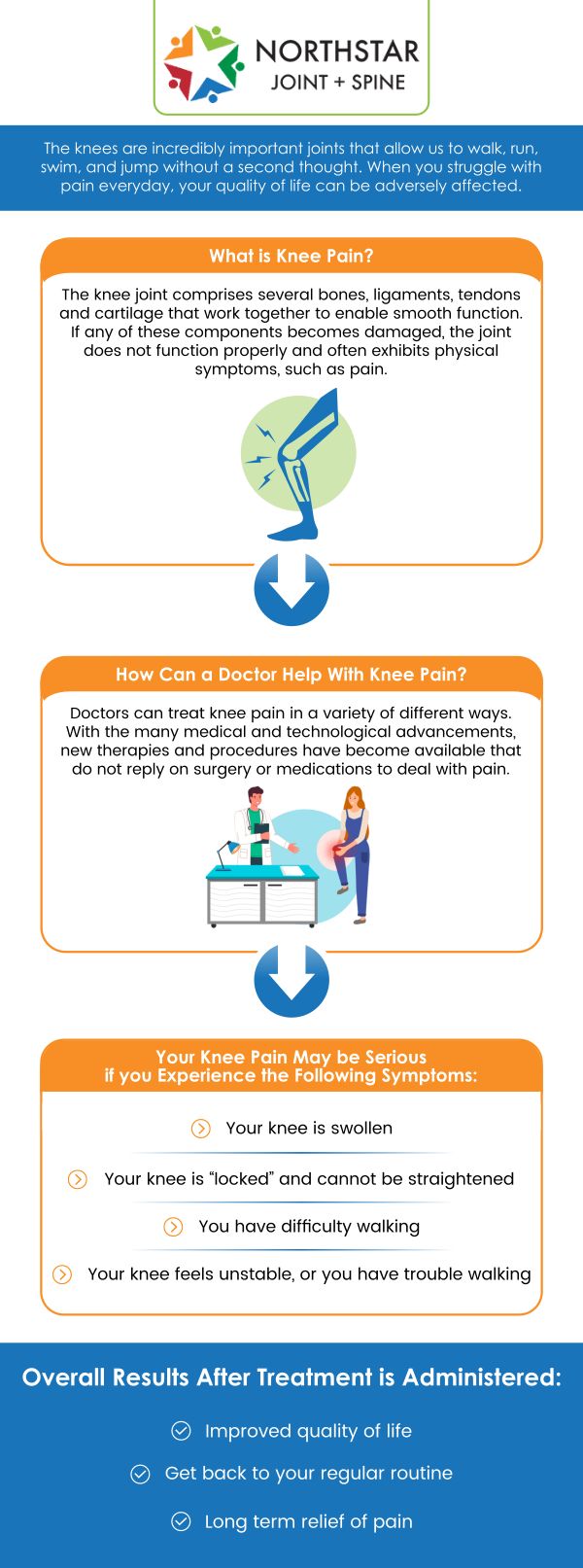
Table of Contents:
What are the causes of pain behind the knee?
What causes pain behind the knee when walking?
What other symptoms might occur with pain behind the knee?
How do you relieve back of knee pain?
When should I see a doctor for pain behind the knee?
Northstar Knee Program for Targeted Pain Relief in Plano, TX
Northstar Knee Care for Pain Behind the Knee in Plano, TX With Genicular Nerve Blocks and Viscosupplementation
Targeted Relief for Pain Behind the Knee With Board-Certified Dr. Robert Nocerini at Northstar Joint and Spine in Plano, TX
Pain behind the knee can develop from several underlying joint, muscle, and vascular conditions that affect movement and daily comfort. One common reason is irritation of the soft tissues surrounding the knee joint, including tendons and ligaments that support stability during bending and straightening. When these structures become overworked, stiffness and aching may appear in the back of the knee, especially after long periods of standing or repetitive movement.
Another frequent contributor is fluid buildup within the knee joint, which can create a feeling of tightness or pressure in the posterior area. This may occur alongside joint wear-and-tear changes that affect cartilage function over time. In some cases, a fluid-filled sac can form behind the knee, leading to noticeable swelling and discomfort during motion.
Circulatory-related issues can also contribute, particularly when blood flow in the lower limb is reduced or uneven. This type of discomfort is often described as a deep, persistent ache rather than a sharp sensation. Identifying the exact source is important because multiple systems can contribute to similar symptoms.
Clinically guided evaluation helps differentiate whether the cause is structural, vascular, or related to overuse patterns. At Northstar Joint and Spine in Plano, TX, Dr. Robert Nocerini focuses on advanced diagnostic assessment to identify the underlying driver and build a targeted care plan that supports mobility and long-term joint comfort.
Pain behind the knee during walking is often linked to mechanical stress placed on the joint with each step. As the knee repeatedly bends and extends, even small imbalances in joint alignment or muscle support can create discomfort in the back portion of the knee. This is especially noticeable when walking longer distances or on uneven surfaces.
Muscle tightness in the hamstrings or calf region can also contribute, as these muscles attach near the knee and influence movement efficiency. When flexibility is reduced, the back of the knee may feel strained during motion. Additionally, changes in joint cushioning can make walking feel stiff or uncomfortable after periods of rest.
Some individuals notice symptoms more during activity due to increased pressure within the joint space. This can lead to a sensation of tightness or fullness that becomes more pronounced with continued movement. Footwear, walking posture, and daily activity patterns may further influence symptom intensity.
At Northstar Joint and Spine, Dr. Robert Nocerini evaluates gait mechanics and joint function to understand why walking triggers symptoms. The goal is to identify movement patterns that contribute to discomfort and design a personalized plan that improves stability, reduces strain, and supports smoother mobility.
Pain behind the knee may appear alongside several other symptoms depending on the underlying cause. Commonly, individuals notice stiffness when bending the knee or a reduced ability to fully extend the joint. This can make activities such as climbing stairs or standing from a seated position more challenging.
Some people experience a sensation of pressure or fullness in the back of the knee, which may fluctuate throughout the day. Mild swelling around the joint may also be present, especially after extended periods of activity. In certain cases, clicking or a sense of tight movement can occur during motion.
Muscle fatigue in the surrounding leg region is another possible symptom. This can create an uneven feeling while walking or standing, as the supporting structures work harder to stabilize the joint. Discomfort may also vary with rest versus activity, depending on how the joint is being used.
A comprehensive evaluation helps connect these symptoms to their source. At Northstar Joint and Spine in Plano, TX, Dr. Robert Nocerini focuses on identifying symptom patterns and how they relate to joint function, allowing for a more precise and individualized care approach.
Relieving pain behind the knee begins with reducing strain on the joint and improving movement efficiency. Rest periods that avoid overloading the knee can help reduce discomfort, especially after prolonged activity. Gentle stretching of the surrounding muscles, including the hamstrings and calves, may also improve flexibility and reduce tightness.
Low-impact movement, such as controlled walking or guided mobility exercises, can help maintain joint function without adding excessive pressure. Supportive footwear and posture awareness during daily activities may further reduce stress on the back of the knee. Consistency in movement patterns is often more helpful than sudden changes in activity level.
In some cases, structured clinical care may be necessary to address persistent symptoms. This can include targeted rehabilitation strategies designed to improve stability and reduce recurring discomfort. The focus is typically on restoring smooth motion and supporting long-term joint health.
At Northstar Joint and Spine, Dr. Robert Nocerini develops individualized plans based on functional evaluation, helping patients improve comfort while maintaining active lifestyles without unnecessary limitations.
Medical evaluation is recommended when pain behind the knee persists for more than a short period or begins to interfere with normal movement. If discomfort continues despite rest and basic self-care, it may indicate an underlying joint or structural imbalance that requires professional attention.
It is also important to seek evaluation if symptoms progressively worsen, especially when walking, bending, or standing becomes increasingly difficult. Ongoing stiffness, recurring pressure, or noticeable changes in joint function are signs that the condition should be assessed more closely.
If symptoms are accompanied by visible swelling or a consistent sense of tightness that does not improve, a clinical assessment can help determine the cause and guide appropriate management. Early evaluation often helps prevent worsening discomfort and supports better mobility outcomes.
At Northstar Joint and Spine in Plano, TX, Dr. Robert Nocerini provides focused diagnostic care to identify the source of knee-related symptoms and create a structured plan aimed at restoring comfort and function.
The Northstar Knee Program in Plano, TX is designed to provide targeted support for individuals experiencing pain behind the knee, focusing on identifying the underlying source of discomfort rather than only addressing surface-level symptoms. This structured approach evaluates joint mechanics, muscle balance, and movement patterns to understand why knee pain develops during walking, bending, or daily activity. By focusing on precise assessment, the program helps guide more effective care strategies that support improved mobility and long-term joint function.
At Northstar Joint and Spine in Plano, TX, Board-certified Dr. Robert Nocerini integrates clinical expertise with individualized care planning to manage pain behind the knee through a patient-focused approach. The goal is to restore stability, reduce joint stress, and improve overall movement quality so patients can return to normal activity with greater comfort. Each care plan is tailored to the individual, supporting both short-term relief and long-term knee health outcomes.
Northstar Knee Care for pain behind the knee in Plano, TX focuses on identifying the root cause of discomfort and creating a personalized plan to support better movement, stability, and long-term knee function. Pain behind the knee may develop from arthritis-related joint changes, inflammation, reduced cushioning, tendon irritation, or pressure around the back of the knee. At Northstar Joint and Spine, patients receive a detailed evaluation to understand how their symptoms affect walking, bending, standing, and daily activity before a targeted care plan is recommended.
Board-certified Dr. Robert Nocerini offers advanced non-surgical options, including genicular nerve blocks and viscosupplementation, to help manage knee discomfort and improve mobility. Genicular nerve blocks may help calm pain signals around the knee, while viscosupplementation may improve joint lubrication for smoother movement. For patients seeking pain behind the knee treatment in Plano, TX, Northstar Joint and Spine provides patient-centered care designed to reduce discomfort, support function, and help individuals return to daily activities with greater confidence.
Targeted relief for pain behind the knee at Northstar Joint and Spine in Plano, TX is designed to help patients understand the root cause of discomfort and improve daily mobility through precise evaluation and individualized care planning. This type of knee-related discomfort may stem from joint strain, muscular tightness, or biomechanical imbalance that affects movement during walking, standing, or bending. A structured clinical approach focuses on identifying these contributing factors early, supporting better joint function, and helping patients regain comfortable motion without unnecessary limitations in their routine activities.
Board-certified Dr. Robert Nocerini provides focused expertise in musculoskeletal and joint-related conditions, offering patient-centered care that emphasizes accurate diagnosis and targeted management strategies. His approach prioritizes restoring stability, improving flexibility, and supporting long-term joint health through evidence-based evaluation methods. At Northstar Joint and Spine, patients receive a comprehensive assessment aimed at addressing pain behind the knee in a way that supports sustained mobility, improved comfort, and a more active lifestyle. For more information, contact us today or book an appointment online. We are conveniently located at 7704 San Jacinto Pl Suite 200 Plano, TX 75024. We proudly serve patients from Plano TX, Frisco TX, Allen TX, McKinney TX, Richardson TX, Carrollton TX, Addison TX, The Colony TX, North Dallas TX, and surrounding communities throughout Collin County and the Dallas-Fort Worth area.

Check Out Our 5 Star Reviews


Additional Services You May Need
▸ Lower Back Pain
▸ Back Pain
▸ Shoulder Pain
▸ Chronic Pain
▸ Epidural Steroid Injections
▸ Spinal Cord Stimulation
▸ Viscosupplementation
▸ Genicular Nerve Blocks
▸ Facet Injections
▸ Joint Injections
▸ Sacroiliac Joint Injections
▸ Lumbar and Cervical
▸ Facet Medial Branch Blocks
▸ Diagnostic Nerve Blocks
▸ Medication Management
▸ Neck Pain Doctor
▸ Diabetic Peripheral Neuropathy
▸ Headaches
▸ Suboxone
▸ Peripheral Nerve Stimulation
▸ Wrist Pain
▸ Spine
▸ Joints
▸ Muscles
▸ Bones

Additional Services You May Need
▸ Lower Back Pain
▸ Back Pain
▸ Shoulder Pain
▸ Chronic Pain
▸ Epidural Steroid Injections
▸ Spinal Cord Stimulation
▸ Viscosupplementation
▸ Genicular Nerve Blocks
▸ Facet Injections
▸ Joint Injections
▸ Sacroiliac Joint Injections
▸ Lumbar and Cervical
▸ Facet Medial Branch Blocks
▸ Diagnostic Nerve Blocks
▸ Medication Management
▸ Neck Pain Doctor
▸ Diabetic Peripheral Neuropathy
▸ Headaches
▸ Suboxone
▸ Peripheral Nerve Stimulation
▸ Wrist Pain
▸ Spine
▸ Joints
▸ Muscles
▸ Bones





 Send Text
 How May I Help You?
