

What Makes Neuropathy Worse?
Neuropathy symptoms may worsen with poor blood sugar control, prolonged sitting or standing, repeated nerve pressure, inadequate sleep, or certain daily habits. Patients may notice increased burning, tingling, numbness, sensitivity, or weakness in the hands, feet, arms, or legs. Board-certified Dr. Robert J. Nocerini, MD, at NorthStar Joint & Spine evaluates each patient’s symptoms, medical history, diagnostic findings, and daily limitations. Personalized care focuses on identifying avoidable triggers, managing discomfort, and supporting improved daily function. For more information, contact us today or schedule an appointment online. We are conveniently located at 7704 San Jacinto Pl Suite 200 Plano, TX 75024.
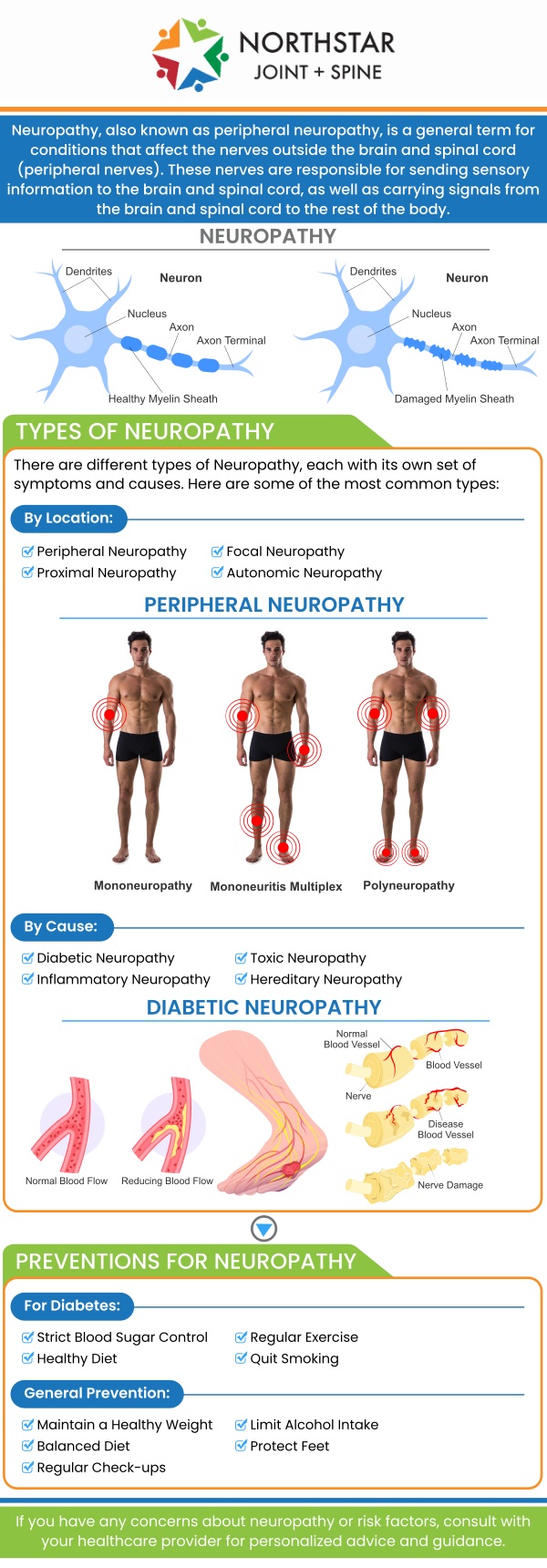
Table of Contents:
Which daily activities can make neuropathy symptoms worse?
Can poor blood sugar control worsen peripheral neuropathy?
Do prolonged sitting or standing increase neuropathy discomfort?
Can stress, poor sleep, or certain lifestyle habits worsen neuropathy symptoms?
Learn What Makes Neuropathy Worse With Board-Certified Dr. Robert J. Nocerini, MD at NorthStar Joint and Spine
Certain daily activities may make neuropathy symptoms more noticeable, especially when they place prolonged pressure on sensitive nerves or involve repetitive movement. Burning, tingling, numbness, sensitivity, or weakness may increase after walking or standing for long periods, wearing tight footwear, crossing the legs, leaning on the elbows, gripping objects repeatedly, or keeping the hands and feet in one position.
Activities that may aggravate symptoms include prolonged sitting or standing, repetitive typing or gripping, resting the wrists or elbows on hard surfaces, wearing poorly fitting shoes, and exposure to very hot or cold temperatures. Patients should avoid complete inactivity, but pacing activities, changing positions regularly, and protecting areas with reduced sensation may help limit unnecessary discomfort. Persistent burning, weakness, or loss of sensation should be medically evaluated.
Yes, poorly controlled blood sugar may contribute to the progression of diabetic peripheral neuropathy. Over time, elevated blood glucose can affect nerves and the small blood vessels that supply them. Symptoms may include burning, tingling, numbness, sensitivity, pain, or weakness in the feet, legs, hands, or arms.
Keeping blood sugar within the range recommended by a physician may help protect nerve health and reduce the likelihood of additional complications. This may involve following an individualized nutrition plan, taking prescribed medications as directed, remaining appropriately active, and attending regular medical appointments. Improved blood sugar management may not reverse existing nerve changes, but it can support long-term health and help prevent symptoms from worsening.
Prolonged sitting or standing may make neuropathy discomfort more noticeable. Remaining seated for extended periods can place pressure on certain nerves and increase stiffness, while standing for a long time may worsen burning, aching, heaviness, sensitivity, or balance concerns in the feet and legs.
Changing positions regularly may help reduce pressure and discomfort. Patients may benefit from brief movement breaks, avoiding crossed legs, keeping the wrists in a comfortable position, and choosing footwear that does not compress sensitive areas. Those with reduced sensation should also check their feet and hands for pressure spots, redness, or skin changes that may not cause noticeable pain.
Stress and poor sleep may not directly cause neuropathy, but they can make pain and sensitivity feel more intense. Inadequate rest may reduce pain tolerance, increase fatigue, and make burning, tingling, or numbness more difficult to manage. Neuropathy symptoms may also disturb sleep, creating a cycle of nighttime discomfort and daytime exhaustion.
Lifestyle habits that may worsen symptoms or affect nerve health include poor blood sugar control, excessive alcohol use, smoking, prolonged inactivity, irregular sleep patterns, nutritional deficiencies, and repeated pressure on areas with reduced sensation. A consistent sleep routine, appropriate daily movement, balanced nutrition, stress-management strategies, and regular medical care may help patients manage symptoms more effectively.
Board-certified in Pain Medicine and Anesthesiology, Dr. Robert J. Nocerini, MD, helps patients understand factors that may make neuropathy symptoms worse at NorthStar Joint & Spine. Burning, tingling, numbness, sensitivity, or weakness may become more noticeable with poor blood sugar control, prolonged sitting or standing, repeated pressure on sensitive nerves, tight footwear, inadequate sleep, stress, or extended periods of inactivity. Symptoms can also intensify when daily activities repeatedly place strain on areas already affected by altered nerve function.
Dr. Nocerini evaluates each patient’s symptom pattern, medical history, daily habits, diagnostic findings, and functional limitations to identify possible contributing factors. Personalized recommendations may include activity adjustments, medication management, targeted nerve blocks, or Peripheral Nerve Stimulation for selected patients with persistent nerve-related discomfort. His goal is to help patients reduce avoidable symptom triggers, improve comfort, and manage neuropathy more effectively during everyday activities. For more information, contact us today or schedule an appointment online. We are conveniently located at 7704 San Jacinto Pl Suite 200 Plano, TX 75024. We proudly serve patients from Plano TX, Frisco TX, Allen TX, McKinney TX, Richardson TX, Carrollton TX, Addison TX, The Colony TX, North Dallas TX, and surrounding communities throughout Collin County and the Dallas-Fort Worth area.

Check Out Our 5 Star Reviews


Additional Services You May Need
▸ Lower Back Pain
▸ Back Pain
▸ Shoulder Pain
▸ Chronic Pain
▸ Epidural Steroid Injections
▸ Spinal Cord Stimulation
▸ Viscosupplementation
▸ Genicular Nerve Blocks
▸ Facet Injections
▸ Joint Injections
▸ Sacroiliac Joint Injections
▸ Lumbar and Cervical
▸ Facet Medial Branch Blocks
▸ Diagnostic Nerve Blocks
▸ Medication Management
▸ Neck Pain Doctor
▸ Diabetic Peripheral Neuropathy
▸ Headaches
▸ Suboxone
▸ Peripheral Nerve Stimulation
▸ Wrist Pain
▸ Spine
▸ Joints
▸ Muscles
▸ Bones

Additional Services You May Need
▸ Lower Back Pain
▸ Back Pain
▸ Shoulder Pain
▸ Chronic Pain
▸ Epidural Steroid Injections
▸ Spinal Cord Stimulation
▸ Viscosupplementation
▸ Genicular Nerve Blocks
▸ Facet Injections
▸ Joint Injections
▸ Sacroiliac Joint Injections
▸ Lumbar and Cervical
▸ Facet Medial Branch Blocks
▸ Diagnostic Nerve Blocks
▸ Medication Management
▸ Neck Pain Doctor
▸ Diabetic Peripheral Neuropathy
▸ Headaches
▸ Suboxone
▸ Peripheral Nerve Stimulation
▸ Wrist Pain
▸ Spine
▸ Joints
▸ Muscles
▸ Bones





 Send Text
 How May I Help You?
