

What Are the Warning Signs That Indicate You Should Seek Immediate Treatment for Sciatica?
If you’re experiencing severe pain, numbness, or weakness in your leg, it may be time to seek immediate treatment for sciatica. Other warning signs include loss of bladder or bowel control, which could indicate a medical emergency. Additionally, pain that radiates past the knee or worsens despite rest may require urgent care. Consulting with Dr. Robert J. Nocerini, MD, Board Certified, at Northstar Joint and Spine can help you address these symptoms promptly to prevent further complications. For more information contact us today or schedule an appointment online. We are conveniently located at 7704 San Jacinto Pl Suite 200 Plano, TX 75024.
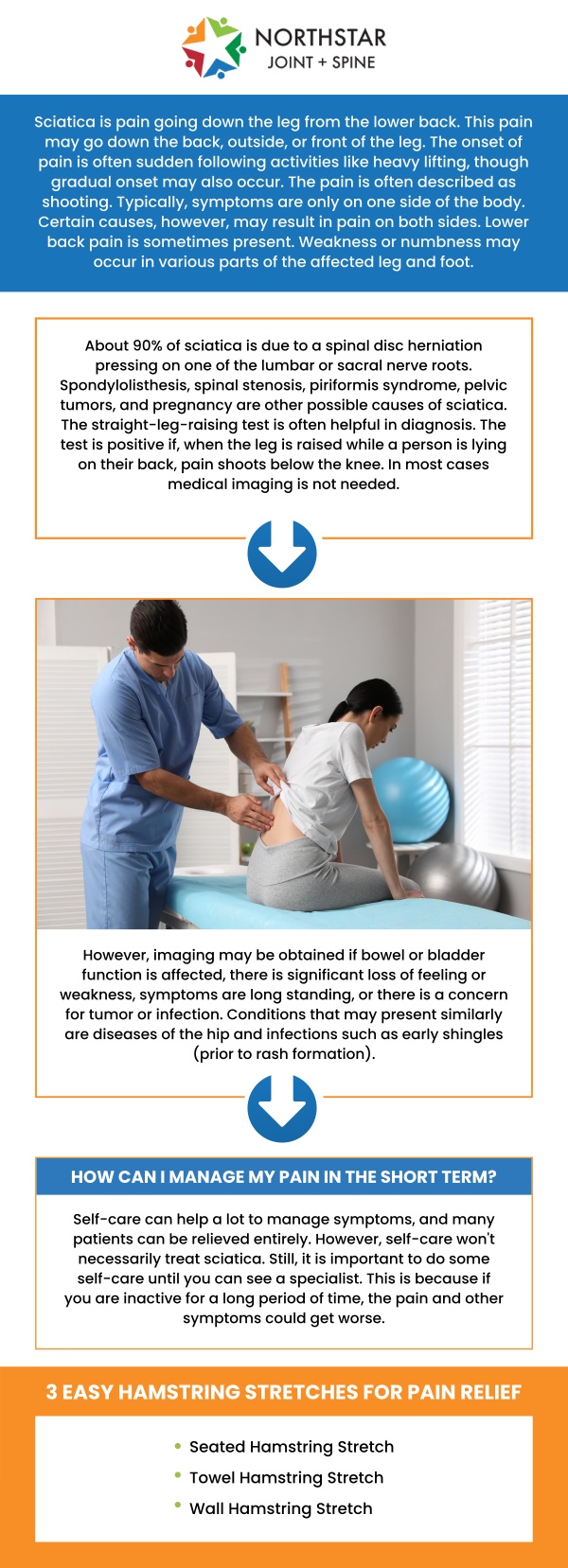
Table of Contents:
What warning signs mean I should not delay treatment for sciatica?
Can exercise help manage sciatica pain?
Can good posture help manage sciatica?
Can weight loss help reduce sciatica symptoms?
The Benefits of Seeing Dr. Robert J. Nocerini, MD for Sciatica Pain at Northstar Joint and Spine
Sciatica is a condition characterized by pain radiating from the lower back or buttocks down one leg, often caused by nerve compression. While many people with sciatica can manage mild symptoms at home, there are warning signs that indicate the need for immediate medical attention.
If you experience sudden and severe pain that doesn’t improve with rest or over-the-counter pain medication, it’s crucial to seek medical care promptly. This may suggest that the underlying cause of sciatica is more serious, such as nerve compression or damage.
Another warning sign is numbness or weakness in the leg or foot, which can be indicative of nerve damage. If you notice that you’re unable to move your foot or leg or have difficulty walking, this may require intervention to prevent further complications.
Additionally, loss of bladder or bowel control is a red flag for a condition known as cauda equina syndrome. This is a medical emergency that requires immediate attention to avoid permanent damage to the nerves that control these functions.
Sharp or constant pain that persists or worsens with certain movements, or pain that radiates down the leg past the knee, could indicate that a more aggressive form of sciatica or nerve impingement is at play.
Finally, if sciatica pain is accompanied by fever or unexplained weight loss, this could indicate an infection or underlying disease that requires swift medical attention. Delaying treatment in such cases can lead to permanent nerve damage or other complications. If you notice any of these warning signs, it’s essential to consult a healthcare provider, such as Dr. Robert J. Nocerini, MD at Northstar Joint and Spine, to ensure that timely intervention is received.
Exercise plays a vital role in managing sciatica pain and improving overall spinal health. While it may seem counterintuitive to engage in physical activity when experiencing pain, proper exercises can help alleviate symptoms, strengthen muscles, and prevent future flare-ups.
One of the primary benefits of exercise for sciatica is that it strengthens the muscles supporting the spine. By improving muscle strength, especially in the core and lower back, exercise helps take pressure off the sciatic nerve. This can reduce the frequency and intensity of sciatica pain, as well as improve posture and movement patterns that may be contributing to nerve irritation.
Low-impact activities, such as walking, swimming, or stationary biking, are great for increasing circulation and promoting healing without placing undue stress on the lower back. Stretching exercises, such as those targeting the hamstrings, hip flexors, and lower back, can also help relieve tension around the sciatic nerve and reduce pain. Regularly stretching the muscles that may be putting pressure on the nerve can help improve flexibility and range of motion.
Strengthening exercises for the core, hips, and legs are also essential in helping to stabilize the spine and prevent future sciatic pain. For example, bridges, pelvic tilts, and abdominal strengthening exercises can help stabilize the lower back and reduce pressure on the sciatic nerve.
However, it’s important to approach exercise cautiously. Consulting with a healthcare provider, such as Dr. Robert J. Nocerini at Northstar Joint and Spine, is recommended to create a safe and effective exercise plan tailored to your specific needs and to avoid exercises that might worsen sciatica symptoms.
Good posture is a critical factor in managing and preventing sciatica pain. Poor posture places undue stress on the spine, muscles, and nerves, leading to imbalances that can aggravate sciatica. Conversely, maintaining proper posture can reduce pressure on the sciatic nerve, promote healing, and minimize discomfort.
One of the most important aspects of posture is maintaining a neutral spine position. This means keeping the spine aligned in its natural curves, without slouching or over-arching the back. When sitting or standing, it’s important to engage the core muscles and keep the shoulders back and aligned with the hips.
When sitting, particularly for long periods, it’s essential to use a supportive chair that encourages good posture. Ideally, your feet should be flat on the floor, with your knees at a 90-degree angle. You can also use a cushion or lumbar roll to support the natural curve of your lower back.
Standing for long periods can also exacerbate sciatic pain if posture is poor. It’s important to distribute your weight evenly between both legs and avoid leaning forward or arching the lower back. Standing with a slight bend in the knees and engaging your abdominal muscles can help prevent pressure on the sciatic nerve.
While posture plays a significant role in managing sciatica, it’s essential to combine proper posture with regular movement. Avoid staying in the same position for too long. When possible, alternate between sitting, standing, and walking to reduce strain on the lower back and sciatic nerve.
Consulting with Dr. Robert J. Nocerini, MD, at Northstar Joint and Spine can help you develop a comprehensive posture correction plan tailored to alleviate sciatica symptoms.
Maintaining a healthy weight can significantly reduce the risk of developing sciatica and help manage symptoms for those already affected. Excess weight, especially around the abdomen, increases the strain on the lower back and spine, contributing to increased pressure on the sciatic nerve. By losing weight, individuals can reduce the amount of stress placed on the spine, improving overall spinal health and alleviating pain associated with sciatica.
Carrying excess weight can lead to poor posture and muscle imbalances, both of which can exacerbate sciatica pain. Weight loss helps alleviate the pressure on the lower back and pelvis, allowing the muscles to function more effectively and reduce irritation of the sciatic nerve. It can also reduce inflammation in the body, which may further contribute to pain relief.
In addition to spinal health, losing weight can improve overall fitness, which helps strengthen the muscles that support the spine. Core strength exercises, combined with weight loss, can further reduce the likelihood of pressure being placed on the sciatic nerve. Improved muscle tone can help maintain proper posture and alignment, thereby preventing future episodes of sciatica.
A healthy diet that supports weight loss, combined with regular exercise, can not only help shed excess pounds but also contribute to better circulation and muscle function, further reducing sciatica symptoms.
Dr. Robert J. Nocerini, MD, at Northstar Joint and Spine in Plano, TX, offers care for patients suffering from sciatica pain. As a board-certified, Dr. Nocerini brings years of experience in diagnosing and treating sciatic nerve conditions. Whether your sciatica pain is caused by disc herniation, spinal stenosis, or other spine-related issues, Dr. Nocerini provides comprehensive, individualized treatment plans aimed at relieving pain and restoring function. At Northstar Joint and Spine, patients benefit from advanced diagnostic tools, non-surgical interventions, and minimally invasive procedures designed to help them recover quickly and safely.
In addition to his expertise in sciatica care, Dr. Nocerini emphasizes a patient-centered approach at Northstar Joint and Spine. He works closely with patients to understand their unique symptoms, lifestyle, and goals, crafting a tailored treatment plan that could include physical therapy, lifestyle modifications, and targeted therapies. Visit Dr. Nocerini at Northstar Joint and Spine today to find lasting relief from sciatica pain and regain your quality of life. For more information, contact us today or schedule an appointment online. We are conveniently located at 7704 San Jacinto Pl Suite 200 Plano, TX 75024. We proudly serve patients from Plano TX, Frisco TX, Allen TX, McKinney TX, Richardson TX, Carrollton TX, Addison TX, The Colony TX, North Dallas TX, and surrounding communities throughout Collin County and the Dallas-Fort Worth area.

Check Out Our 5 Star Reviews


Additional Services You May Need
▸ Lower Back Pain
▸ Back Pain
▸ Shoulder Pain
▸ Chronic Pain
▸ Epidural Steroid Injections
▸ Spinal Cord Stimulation
▸ Viscosupplementation
▸ Genicular Nerve Blocks
▸ Facet Injections
▸ Joint Injections
▸ Sacroiliac Joint Injections
▸ Lumbar and Cervical
▸ Facet Medial Branch Blocks
▸ Diagnostic Nerve Blocks
▸ Medication Management
▸ Neck Pain Doctor
▸ Diabetic Peripheral Neuropathy
▸ Headaches
▸ Suboxone
▸ Peripheral Nerve Stimulation
▸ Wrist Pain
▸ Spine
▸ Joints
▸ Muscles
▸ Bones

Additional Services You May Need
▸ Lower Back Pain
▸ Back Pain
▸ Shoulder Pain
▸ Chronic Pain
▸ Epidural Steroid Injections
▸ Spinal Cord Stimulation
▸ Viscosupplementation
▸ Genicular Nerve Blocks
▸ Facet Injections
▸ Joint Injections
▸ Sacroiliac Joint Injections
▸ Lumbar and Cervical
▸ Facet Medial Branch Blocks
▸ Diagnostic Nerve Blocks
▸ Medication Management
▸ Neck Pain Doctor
▸ Diabetic Peripheral Neuropathy
▸ Headaches
▸ Suboxone
▸ Peripheral Nerve Stimulation
▸ Wrist Pain
▸ Spine
▸ Joints
▸ Muscles
▸ Bones





 Send Text
 How May I Help You?
