

Is Sacroiliitis Permanent or Can Symptoms Be Managed Over Time?
Sacroiliitis does not always mean permanent pain, as symptoms can vary depending on the underlying cause, severity, and individual response to care. At NorthStar Joint & Spine in Plano, TX, patients receive personalized evaluations to better understand the source of sacroiliac joint discomfort and explore appropriate management options. Board-Certified Dr. Robert J. Nocerini, MD, focuses on developing individualized pain management plans designed to help patients manage symptoms, improve comfort, and support daily function. For more information, contact us today or schedule an appointment online. We are conveniently located at 7704 San Jacinto Pl Suite 200 Plano, TX 75024.
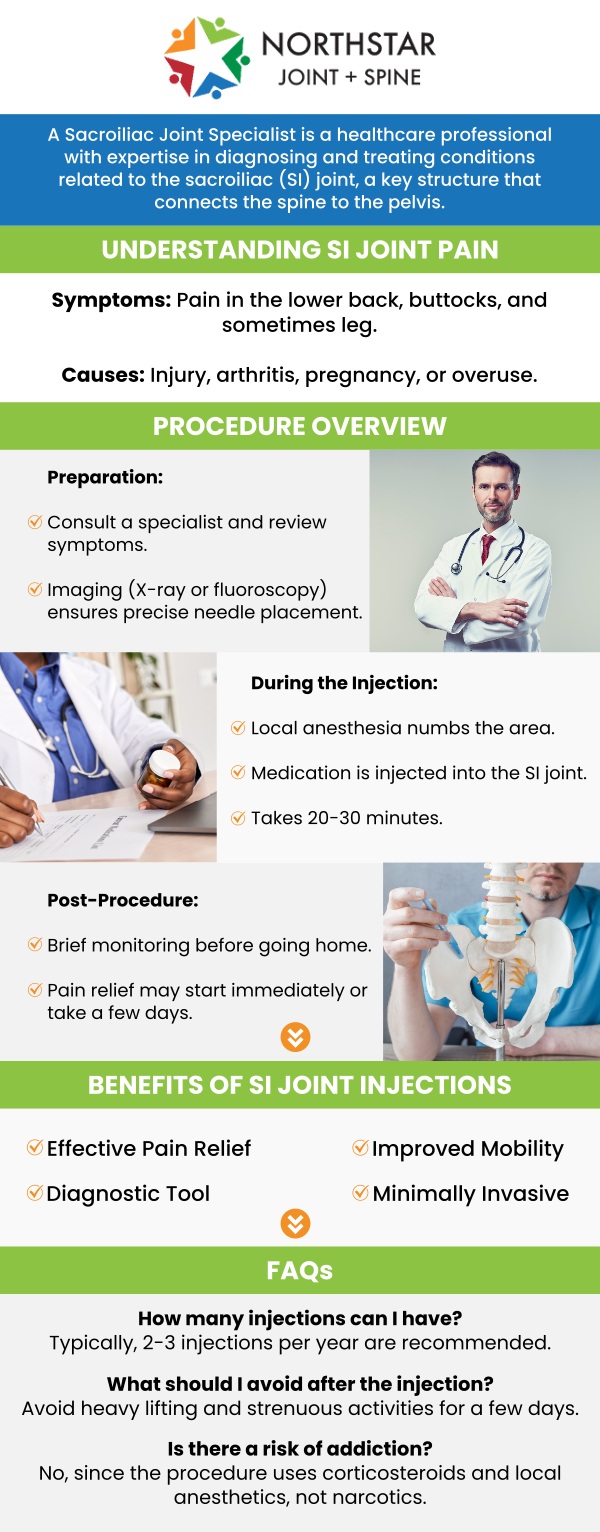
Table of Contents:
Can sacroiliitis go away completely with treatment?
What causes sacroiliitis symptoms to continue over time?
Can sacroiliitis become a lifelong condition?
What symptoms are commonly associated with sacroiliitis?
How can long-term sacroiliitis symptoms be managed?
When should you seek care for ongoing sacroiliitis symptoms?
Sacroiliitis Care With Board-Certified Dr. Robert J. Nocerini at NorthStar Joint & Spine in Plano, TX
Sacroiliitis is a condition involving inflammation or irritation of one or both sacroiliac (SI) joints, which connect the lower spine to the pelvis. Because the SI joints help transfer movement and support between the upper body and legs, irritation in this area can lead to discomfort in the lower back, buttocks, hips, and sometimes the upper legs. Many people wonder whether sacroiliitis is permanent or if symptoms can improve with appropriate care. The answer depends on several factors, including the underlying cause, severity of symptoms, overall health, and how the condition responds to treatment. At NorthStar Joint & Spine in Plano, TX, Board-Certified Dr. Robert J. Nocerini, MD, evaluates sacroiliitis symptoms and helps patients explore personalized pain management options based on their individual needs.
Can sacroiliitis go away completely with treatment?
Sacroiliitis symptoms may improve significantly with the right evaluation and treatment approach. Some individuals experience temporary symptoms caused by irritation, inflammation, or stress affecting the sacroiliac joint, while others may have recurring discomfort that requires ongoing management. The condition does not always mean that a person will experience permanent pain.
The possibility of improvement depends on identifying what is contributing to the symptoms. Factors such as joint inflammation, movement patterns, underlying medical conditions, or changes affecting the spine and pelvis may influence how long symptoms last. When the source of discomfort is better understood, a personalized care plan can be developed to help manage symptoms and support improved daily function.
While treatment may help reduce pain and stiffness, results can vary between individuals. Some patients may notice improvement over time, while others may need continued care to manage recurring symptoms and prevent discomfort from interfering with daily activities. At NorthStar Joint & Spine in Plano, TX, Board-Certified Dr. Robert J. Nocerini, MD, evaluates each patient’s symptoms, medical history, and condition to create a personalized pain management approach focused on their specific needs and goals.
What causes sacroiliitis symptoms to continue over time?
Persistent sacroiliitis symptoms may occur when inflammation or irritation around the sacroiliac joint continues or returns over time. Several factors can contribute to ongoing discomfort, including:
• Continued stress or strain on the sacroiliac joint
• Repeated movements that aggravate symptoms
• Underlying inflammatory conditions
• Changes affecting the spine, pelvis, or surrounding joints
• Delayed evaluation or treatment of ongoing symptoms
Because sacroiliitis symptoms can overlap with other causes of lower back, hip, or buttock pain, identifying the source of discomfort is an important part of developing an appropriate care plan.
| Factor | How It May Affect Symptoms |
| Joint inflammation | May contribute to stiffness, tenderness, and discomfort |
| Repetitive stress | Can increase irritation around the sacroiliac joint |
| Movement patterns | Certain activities may worsen symptoms |
| Underlying conditions | May influence symptom duration and severity |
At NorthStar Joint & Spine in Plano, TX, Board-Certified Dr. Robert J. Nocerini, MD, evaluates patients with ongoing sacroiliitis symptoms to better understand contributing factors and develop personalized pain management strategies based on each patient’s condition and goals.
Can sacroiliitis become a lifelong condition?
Sacroiliitis can affect each person differently. Some individuals may experience symptoms that improve after treatment, while others may have recurring episodes that require long-term symptom management. Having ongoing sacroiliitis does not necessarily mean that a person will always experience severe pain or limitations.
For some patients, symptoms may come and go depending on activity levels, inflammation, and other contributing factors. Learning what triggers discomfort and following a personalized treatment plan may help patients better manage symptoms over time.
A long-term approach often focuses on understanding the condition, monitoring changes, and addressing symptoms before they significantly impact daily activities. Regular medical evaluations can help determine whether treatment adjustments may be beneficial as symptoms change. At NorthStar Joint & Spine in Plano, TX, Board-Certified Dr. Robert J. Nocerini, MD, evaluates sacroiliitis symptoms and develops individualized pain management plans to help patients better understand their condition and explore appropriate care options.
What symptoms are commonly associated with sacroiliitis?
Sacroiliitis symptoms can vary depending on the severity of inflammation and how the SI joint is affected. Common symptoms may include:
Pain in the lower back or buttocks
• Discomfort that extends toward the hips or upper legs
• Stiffness after sitting or standing for extended periods
• Increased discomfort with walking, climbing stairs, or changing positions
• Tenderness around the sacroiliac joint area
Some people experience a dull, aching discomfort, while others may notice sharper pain with certain movements. Symptoms may also become more noticeable after periods of inactivity or during activities that place additional stress on the pelvis and lower back.
Since symptoms may resemble other causes of back or hip pain, proper evaluation can help determine the likely source of discomfort.
How can long-term sacroiliitis symptoms be managed?
Managing long-term sacroiliitis symptoms begins with understanding the factors contributing to the condition. A pain management specialist may review symptoms, medical history, previous treatments, physical findings, and diagnostic information to better understand the condition.
Depending on the individual situation, treatment approaches may include:
• Medication management when appropriate
• Sacroiliac joint injections for diagnostic or therapeutic purposes
• Targeted pain management procedures
• Activity adjustments to help reduce symptom aggravation
• Ongoing monitoring to evaluate response to treatment
The goal of treatment is not only to address discomfort but also to help patients maintain mobility and participate in daily activities more comfortably. Since each person experiences sacroiliitis differently, treatment plans should be customized based on symptoms, diagnosis, and personal goals.
When should you seek care for ongoing sacroiliitis symptoms?
Patients should consider seeking professional evaluation if sacroiliac joint pain continues, becomes more frequent, or begins affecting everyday activities. Persistent discomfort, difficulty with movement, or pain that interferes with sleep, walking, or normal routines may indicate that further evaluation is needed.
Board-Certified Dr. Robert J. Nocerini, MD can help determine whether the SI joint is contributing to symptoms and whether targeted pain management options may be appropriate.
Sacroiliitis Care With Board-Certified Dr. Robert J. Nocerini at NorthStar Joint & Spine in Plano, TX
At NorthStar Joint & Spine in Plano, TX, Board-Certified Dr. Robert J. Nocerini, MD, evaluates patients experiencing sacroiliitis symptoms by reviewing pain patterns, symptom duration, medical history, movement-related concerns, and diagnostic findings. This detailed evaluation helps determine whether the sacroiliac joint may be contributing to lower back, hip, or buttock discomfort.
Dr. Nocerini focuses on personalized pain management plans designed around each patient’s condition and individual needs. At NorthStar Joint & Spine, patients receive guidance focused on understanding their symptoms, exploring appropriate treatment options, and managing sacroiliitis-related discomfort with a personalized approach. For more information, contact us today or schedule an appointment online. We are conveniently located at 7704 San Jacinto Pl Suite 200 Plano, TX 75024. We proudly serve patients from Plano TX, Frisco TX, Allen TX, McKinney TX, Richardson TX, Carrollton TX, Addison TX, The Colony TX, North Dallas TX, and surrounding communities throughout Collin County and the Dallas-Fort Worth area.

Check Out Our 5 Star Reviews


Additional Services You May Need
▸ Lower Back Pain
▸ Back Pain
▸ Shoulder Pain
▸ Chronic Pain
▸ Epidural Steroid Injections
▸ Spinal Cord Stimulation
▸ Viscosupplementation
▸ Genicular Nerve Blocks
▸ Facet Injections
▸ Joint Injections
▸ Sacroiliac Joint Injections
▸ Lumbar and Cervical
▸ Facet Medial Branch Blocks
▸ Diagnostic Nerve Blocks
▸ Medication Management
▸ Neck Pain Doctor
▸ Diabetic Peripheral Neuropathy
▸ Headaches
▸ Suboxone
▸ Peripheral Nerve Stimulation
▸ Wrist Pain
▸ Spine
▸ Joints
▸ Muscles
▸ Bones

Additional Services You May Need
▸ Lower Back Pain
▸ Back Pain
▸ Shoulder Pain
▸ Chronic Pain
▸ Epidural Steroid Injections
▸ Spinal Cord Stimulation
▸ Viscosupplementation
▸ Genicular Nerve Blocks
▸ Facet Injections
▸ Joint Injections
▸ Sacroiliac Joint Injections
▸ Lumbar and Cervical
▸ Facet Medial Branch Blocks
▸ Diagnostic Nerve Blocks
▸ Medication Management
▸ Neck Pain Doctor
▸ Diabetic Peripheral Neuropathy
▸ Headaches
▸ Suboxone
▸ Peripheral Nerve Stimulation
▸ Wrist Pain
▸ Spine
▸ Joints
▸ Muscles
▸ Bones





 Send Text
 How May I Help You?
