

Where Can I Find Knee Arthritis Treatment in Plano, TX?
If you’re suffering from knee arthritis in Plano, TX, Northstar Joint and Spine offers a range of effective treatments to manage pain and improve joint function. Treatment options include medications, physical therapy, and lifestyle changes. Board Certified Dr. Robert J. Nocerini, MD, provides personalized care to help you regain mobility, reduce discomfort, and improve your quality of life. For more information, contact us today or schedule an appointment. We are conveniently located at 7704 San Jacinto Pl Suite 200 Plano, TX 75024.
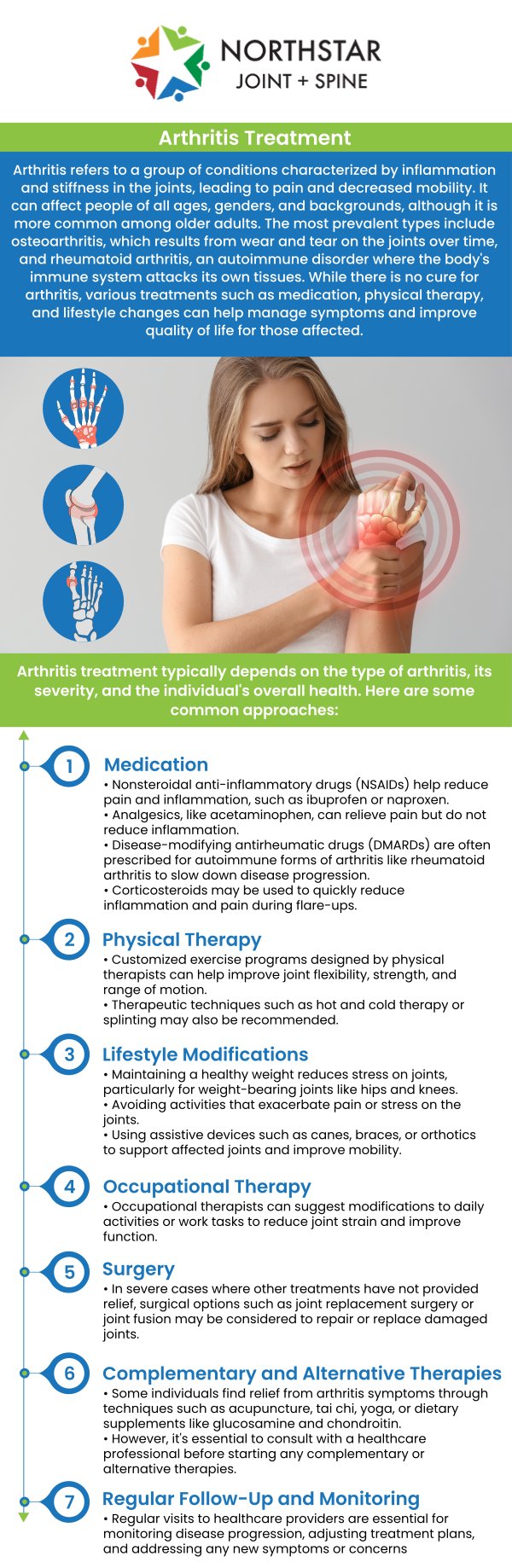
Table of Contents:
What is knee arthritis?
What are the symptoms of knee arthritis?
What causes arthritis in the knee?
What are the treatments for knee arthritis?
How is knee arthritis diagnosed?
Knee Arthritis Treatment With Board-Certified Pain Specialist Dr. Robert J. Nocerini, MD in Plano, TX at Northstar Joint and Spine
Knee arthritis refers to a condition where the cartilage in the knee joint deteriorates over time, leading to pain, swelling, and stiffness. The knee joint is made up of bones, cartilage, muscles, ligaments, and tendons, all of which work together to allow for smooth, pain-free movement. When arthritis affects the knee, the protective cartilage that cushions the bones begins to wear away. This leads to increased friction between the bones, which can result in pain and inflammation.
There are different types of knee arthritis, but the most common form is osteoarthritis. It typically develops as people age and can be influenced by factors such as genetics, previous joint stress, or an imbalanced distribution of weight across the knee joint. Rheumatoid arthritis, another form, is an autoimmune condition that causes the immune system to mistakenly attack the synovial lining of the knee joint, causing inflammation and damage over time.
At Northstar Joint and Spine, Board-certified Dr. Robert J. Nocerini, MD, provides comprehensive care for knee arthritis. With a focus on personalized treatment plans, Dr. Nocerini helps patients manage their symptoms and improve mobility, aiming to enhance overall joint function and quality of life.
Knee arthritis can present with various symptoms, which may range from mild discomfort to more severe pain, depending on the stage of the condition. The most common symptoms include:
• Pain and stiffness: Pain in the knee, especially after physical activity or long periods of rest, is a hallmark of knee arthritis. The pain may worsen with prolonged use or certain movements.
• Swelling and inflammation: The knee joint may become swollen, particularly after activity. Inflammation can make the knee feel warm and tender to the touch.
• Reduced range of motion: As arthritis progresses, individuals may experience difficulty bending or straightening the knee. This limitation in range of motion can interfere with daily activities like walking, climbing stairs, or kneeling.
• Grinding or creaking sounds: A sensation of the knee “locking” or making a grinding noise (called crepitus) during movement is another common sign. This occurs when the cartilage is worn down, and the bones rub against each other.
Dr. Nocerini at Northstar Joint and Spine in Plano, TX, works with patients to identify the severity of their symptoms and design an effective treatment plan. This may involve physical therapy, pain management strategies, and lifestyle modifications aimed at improving knee function and reducing discomfort.
Several factors contribute to the development of arthritis in the knee. The primary causes include:
• Aging: As we age, the cartilage in the knee naturally wears down over time, leading to osteoarthritis. This is the most common cause of knee arthritis, as the protective cartilage in the joint gradually deteriorates with age.
• Genetics: Family history can play a role in the development of knee arthritis. If arthritis runs in your family, you may be more susceptible to developing it, especially if combined with environmental factors.
• Overuse: Repetitive stress on the knee joint, such as from athletic activities or heavy physical work, can increase the risk of developing arthritis. Previous knee damage, such as ligament damage or meniscus tears, can also lead to arthritis over time.
• Obesity: Excess weight places additional pressure on the knee joints, which can accelerate the breakdown of cartilage. People who are overweight are at a higher risk of developing arthritis due to the increased stress on the knees.
• Inflammatory conditions: Conditions such as rheumatoid arthritis or gout can lead to knee arthritis. These inflammatory disorders cause the body’s immune system to attack the joints, resulting in pain and cartilage damage.
At Northstar Joint and Spine, Dr. Nocerini helps patients understand the underlying causes of their knee arthritis and works with them to develop a customized treatment plan that addresses both the root cause and the symptoms.
There is no known cure for knee arthritis, but there are several treatments and lifestyle modifications that can help alleviate pain and improve function. The primary goal of treatment is to reduce pain, improve joint mobility, and prevent further damage to the knee joint. A comprehensive approach to treating knee arthritis typically involves a combination of medications, lifestyle changes, physical therapy, and assistive devices to enhance the quality of life.
• Medications: Various medications are used to manage the symptoms of knee arthritis. These may include anti-inflammatory drugs (NSAIDs) to reduce swelling and pain, steroid injections to target inflammation directly within the knee joint, and artificial joint fluid injections to lubricate the joint and reduce friction. In more severe cases, pain-relieving medications may be prescribed to help manage persistent discomfort.
• Lifestyle Modifications: Lifestyle changes play a crucial role in managing knee arthritis. A moderate exercise program can help maintain joint flexibility, improve strength, and reduce pain. Regular low-impact activities like swimming or cycling are often recommended. Heat or cold treatments can be beneficial for reducing swelling and relaxing tense muscles. Maintaining a healthy, well-balanced diet and getting adequate rest is crucial for overall joint health. Losing weight can also relieve pressure on the knee joint, reducing pain and slowing the progression of arthritis. Using assistive devices, such as splints or braces, can offer additional support to the joint, allowing you to perform daily activities with less discomfort.
• Physical Therapy: Physical therapy is a key component in the management of knee arthritis. A physical therapist will design a personalized program to improve joint flexibility, strengthen the muscles around the knee, and enhance overall function. They will teach exercises to maintain movement in the joint and improve the stability of surrounding muscles, further easing pain and discomfort.
By combining these treatments and lifestyle modifications, individuals can effectively manage knee arthritis and maintain their quality of life, improving mobility and reducing pain over time.
The diagnosis of knee arthritis begins with a thorough evaluation by a healthcare professional. Dr. Nocerini at Northstar Joint and Spine in Plano, TX, uses a comprehensive approach to assess symptoms and determine the severity of arthritis. The diagnostic process typically involves:
• Medical history review: Dr. Nocerini will ask about your symptoms, including pain levels, the frequency of flare-ups, and any medical conditions that may contribute to arthritis.
• Physical examination: A hands-on exam will be conducted to assess the range of motion, swelling, and tenderness in the knee. Dr. Nocerini may also evaluate your posture, gait, and muscle strength.
• Imaging tests: X-rays are commonly used to confirm the presence of arthritis by showing the extent of cartilage loss, joint space narrowing, or bone spurs. In some cases, an MRI may be ordered to get a more detailed view of the soft tissues, including cartilage, muscles, and tendons.
• Blood tests: If rheumatoid arthritis or another inflammatory condition is suspected, blood tests may be ordered to check for markers of inflammation.
Once a diagnosis is confirmed, Dr. Nocerini will work with you to develop a tailored treatment plan aimed at managing your symptoms and improving knee function. Whether through physical therapy, medications, or more advanced treatments, the goal is to help you live pain-free and improve your mobility.
Knee arthritis is a common condition that affects many individuals, leading to pain, stiffness, and decreased mobility. At Northstar Joint and Spine in Plano, TX, board-certified Dr. Robert J. Nocerini, MD, offers comprehensive treatment options to help manage the symptoms of knee arthritis. The primary goal of treatment is to reduce pain, improve joint movement, and prevent further deterioration of the knee joint. Treatments may include medications, physical therapy, and lifestyle modifications to enhance knee function and improve the quality of life. Dr. Nocerini works closely with each patient to create a personalized treatment plan tailored to their unique needs. Whether through anti-inflammatory medications or steroid injections, the goal is to alleviate pain and inflammation while improving mobility. Physical therapy programs focusing on strengthening muscles around the knee and improving flexibility are also part of the treatment plan.
Patients in Plano, TX, can benefit from Dr. Nocerini’s expertise in treating knee arthritis, providing long-term relief and improved knee function for a more active, pain-free life. For more information, contact us today or schedule an appointment. We are conveniently located at 7704 San Jacinto Pl Suite 200 Plano, TX 75024. We proudly serve patients from Plano TX, Frisco TX, Allen TX, McKinney TX, Richardson TX, Carrollton TX, Addison TX, The Colony TX, North Dallas TX, and surrounding communities throughout Collin County and the Dallas-Fort Worth area.

Check Out Our 5 Star Reviews


Additional Services You May Need
▸ Lower Back Pain
▸ Back Pain
▸ Shoulder Pain
▸ Chronic Pain
▸ Epidural Steroid Injections
▸ Spinal Cord Stimulation
▸ Viscosupplementation
▸ Genicular Nerve Blocks
▸ Facet Injections
▸ Joint Injections
▸ Sacroiliac Joint Injections
▸ Lumbar and Cervical
▸ Facet Medial Branch Blocks
▸ Diagnostic Nerve Blocks
▸ Medication Management
▸ Neck Pain Doctor
▸ Diabetic Peripheral Neuropathy
▸ Headaches
▸ Suboxone
▸ Peripheral Nerve Stimulation
▸ Wrist Pain
▸ Spine
▸ Joints
▸ Muscles
▸ Bones

Additional Services You May Need
▸ Lower Back Pain
▸ Back Pain
▸ Shoulder Pain
▸ Chronic Pain
▸ Epidural Steroid Injections
▸ Spinal Cord Stimulation
▸ Viscosupplementation
▸ Genicular Nerve Blocks
▸ Facet Injections
▸ Joint Injections
▸ Sacroiliac Joint Injections
▸ Lumbar and Cervical
▸ Facet Medial Branch Blocks
▸ Diagnostic Nerve Blocks
▸ Medication Management
▸ Neck Pain Doctor
▸ Diabetic Peripheral Neuropathy
▸ Headaches
▸ Suboxone
▸ Peripheral Nerve Stimulation
▸ Wrist Pain
▸ Spine
▸ Joints
▸ Muscles
▸ Bones





 Send Text
 How May I Help You?
