

Best Exercises After Epidural Steroid Injection
After an epidural steroid injection, gentle exercises can help improve flexibility and reduce pain while supporting recovery. Low-impact activities such as walking, stretching, and light strengthening exercises are typically recommended to enhance mobility without stressing the treated area. At Northstar Joint and Spine, Board Certified Dr. Robert J. Nocerini, MD, guides patients with personalized exercise plans to safely aid healing and improve function. For more information, please contact us today or schedule an appointment online. We are conveniently located at 7704 San Jacinto Pl Suite 200 Plano, TX 75024.
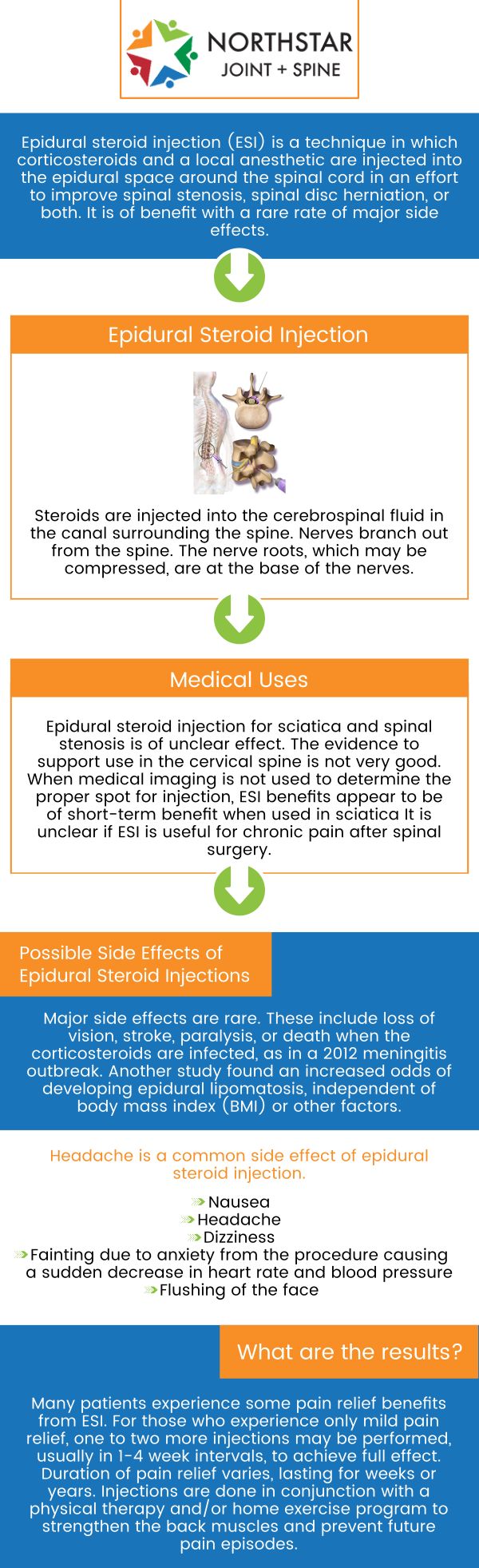
Table of Contents:
How soon after an epidural steroid injection can a patient start exercising?
What types of exercises are safe after an epidural steroid injection?
How can exercise help with recovery after an epidural steroid injection?
What are the benefits of staying active after an epidural steroid injection?
Post-Injection Exercise Guidance by Dr. Robert J. Nocerini, MD, After Epidural Steroid Injection in Plano, TX
After receiving an epidural steroid injection, patients are generally advised to rest for about a day to allow the medication time to settle and reduce any immediate discomfort. It’s common to experience mild soreness at the injection site, which typically resolves on its own. During this initial period, it’s important to avoid strenuous activities that could strain the area too soon.
Once the initial recovery period passes, light movement is typically encouraged to promote circulation and aid in the healing process. The timing of returning to a full exercise routine depends on the individual’s response to the injection and how symptoms evolve in the following days. Most patients can begin with gentle activities, such as walking or stretching, as long as they do not put undue stress on the back.
Providers at Northstar Joint and Spine recommend a gradual return to exercise, particularly for those seeking long-term relief. They may suggest starting with low-impact exercises that are easy on the back and spine, progressively increasing intensity as comfort allows. Movements that require sudden twisting or putting excessive pressure on the back should be avoided until the area feels more stable.
The goal is to ensure that exercise helps strengthen the back without causing discomfort or hindering recovery. For many patients, as the injection provides relief, movement becomes easier, making it possible to rebuild strength gradually. It’s important to follow any personalized guidance provided by healthcare professionals to ensure that physical activity is both safe and effective during the recovery process.
Best Exercises to Start with After an Epidural Steroid Injection
After an epidural steroid injection, starting with low-impact exercises is key to ensuring safe recovery. These exercises help improve circulation, flexibility, and strength while avoiding strain on the spine. Here are the best exercises to begin with:
1. Walking
Walking is one of the best low-impact exercises to start with. It promotes circulation, reduces stiffness, and keeps the spine in a neutral position. Begin with short, easy walks on a flat surface and gradually increase the distance as you feel more comfortable. Walking encourages mobility without placing undue stress on the back.
2. Gentle Stretching
Gentle stretches are essential for restoring flexibility and reducing muscle tightness. Focus on stretches that target the lower back, hips, and legs. Some good options include seated hamstring stretches, knee-to-chest stretches, and gentle spinal twists. Hold each stretch for 15-30 seconds and repeat as needed, ensuring no sharp pain is felt during the stretch.
3. Pelvic Tilts
Pelvic tilts help engage the lower abdominal muscles and improve pelvic alignment. To perform this exercise, lie on your back with your knees bent and feet flat on the floor. Slowly tilt your pelvis upward while tightening your abdominal muscles, then relax. Repeat this movement for 10-15 repetitions. This exercise helps strengthen the core without overloading the spine.
4. Bridges
Bridges are another excellent core-strengthening exercise that can be done safely after an epidural steroid injection. Lie on your back with your knees bent and feet flat on the floor. Slowly lift your hips off the floor, squeezing your glutes and engaging your core. Hold the position for a few seconds before lowering back down. Repeat for 10-15 repetitions.
5. Range-of-Motion Exercises
Gentle range-of-motion exercises can help improve flexibility and reduce stiffness in the spine. These movements should be slow and controlled, focusing on extending and bending the spine within a pain-free range. Start with simple movements like neck rotations or shoulder rolls.
These exercises, when done gradually and under professional guidance, can help ensure a safe and effective recovery after an epidural steroid injection.
After an epidural steroid injection, low-impact exercises are typically the safest option to promote recovery without putting too much strain on the spine. Walking on a flat surface is an excellent choice, as it encourages circulation and mobility while keeping the spine in a neutral position. Gentle stretches or movements prescribed by a physical therapist can also be beneficial, especially those targeting the muscles around the spine to maintain flexibility and prevent stiffness.
In the early stages following the injection, it’s crucial to avoid exercises that involve compression or jarring motions. High-impact activities like running, weightlifting, or exercises that require bending or twisting should be avoided until a clearer assessment of the body’s response can be made. These activities can place additional stress on the spine, potentially hindering recovery or causing discomfort.
As inflammation decreases and discomfort becomes more manageable, many patients gradually incorporate exercises that focus on core strength and flexibility. These exercises help support spine health over the long term by stabilizing the area and promoting strength without overloading it. Specialists at Northstar Joint and Spine provide personalized exercise plans to ensure safe and effective rehabilitation, with adjustments made based on the patient’s progress, functionality, and pain levels.
Overall, exercise plans after an epidural steroid injection are designed to be gradual and tailored to the individual. Starting with gentle movement and progressing slowly ensures that the recovery process remains safe, with the goal of rebuilding strength and improving mobility over time.
After receiving an epidural steroid injection, exercise plays a crucial role in maintaining and extending the benefits of the treatment. Once the initial relief from the injection begins to take effect, movement helps prevent stiffness and keeps the muscles surrounding the spine strong, which is essential for long-term recovery. Regular exercise helps the body return to a more natural rhythm, reducing the likelihood of muscles weakening or becoming imbalanced due to inactivity.
For individuals who have been dealing with chronic discomfort, an epidural steroid injection makes physical activity more feasible by reducing pain and inflammation. This improvement in comfort helps prevent the negative impacts that can arise from avoiding movement, such as joint stiffness, muscle atrophy, or a decrease in flexibility. Engaging in exercise at the right time can support long-term healing, ensuring that the body continues to function optimally.
Exercising with a focus on core strength, flexibility, and proper alignment is particularly beneficial during recovery. These exercises help stabilize the spine and improve posture, which can enhance the effects of the injection and prolong the relief it provides. The goal is not to push through pain, but to gently restore range of motion and build strength gradually.
Dr. Robert J. Nocerini, MD, and the team at Northstar Joint and Spine emphasize the importance of a tailored exercise program following an epidural steroid injection. Their personalized approach ensures that each patient’s recovery is supported by exercises that are both safe and effective, allowing for a smooth transition back to regular activity while maximizing the benefits of the injection.
Staying active after an epidural steroid injection is crucial for maintaining the progress made through the treatment. As pain relief takes effect, it allows for movement that may have been previously limited or avoided. This newfound ability to move makes it easier to engage in physical activity, which helps strengthen muscles that have been neglected during periods of discomfort. By rebuilding strength, particularly in the muscles surrounding the spine, individuals can enhance their overall support system, promoting better stability and reducing the risk of further strain.
Regular movement also plays an important role in improving circulation and joint function. Increased blood flow helps nourish tissues and reduce stiffness, supporting the healing process. When the pain isn’t dictating every movement, posture naturally improves as well, which can further reduce strain on the spine and muscles. As the body regains its natural rhythm, it becomes easier to maintain proper alignment, which is vital for long-term spine health.
The injection provides temporary relief, but staying active helps reinforce the positive changes it brings. Even small shifts in activity, such as walking or stretching, can lead to significant gains in both physical function and overall quality of life. The combination of exercise and pain relief offers a path to greater independence, improved mobility, and a more active lifestyle. Staying consistent with gentle movement can help individuals make the most of the relief provided by the injection, supporting ongoing recovery and long-term health.
After receiving an epidural steroid injection, Dr. Robert J. Nocerini, MD, provides Plano patients with tailored exercise recommendations to enhance recovery and maintain spinal flexibility. With 26 years of board-certified experience, Dr. Nocerini emphasizes gradual stretching, posture correction, and light strengthening movements to support healing while promoting long-term spinal health.
At Northstar Joint and Spine, his post-procedure care ensures patients maximize the benefits of their injection. Dr. Nocerini’s guidance helps improve core stability, promote circulation, and reduce stiffness. Plano residents value his commitment to long-term wellness, trusting his expertise to guide them safely from pain relief to full recovery.
Epidural steroid injections are available at Northstar Joint and Spine. For more information, please contact us today or schedule an appointment online. We are conveniently located at 7704 San Jacinto Pl Suite 200 Plano, TX 75024. We proudly serve patients from Plano TX, Frisco TX, Allen TX, McKinney TX, Richardson TX, Carrollton TX, Addison TX, The Colony TX, North Dallas TX, and surrounding communities throughout Collin County and the Dallas-Fort Worth area.

Check Out Our 5 Star Reviews


Additional Services You May Need
▸ Lower Back Pain
▸ Back Pain
▸ Shoulder Pain
▸ Chronic Pain
▸ Epidural Steroid Injections
▸ Spinal Cord Stimulation
▸ Viscosupplementation
▸ Genicular Nerve Blocks
▸ Facet Injections
▸ Joint Injections
▸ Sacroiliac Joint Injections
▸ Lumbar and Cervical
▸ Facet Medial Branch Blocks
▸ Diagnostic Nerve Blocks
▸ Medication Management
▸ Neck Pain Doctor
▸ Diabetic Peripheral Neuropathy
▸ Headaches
▸ Suboxone
▸ Peripheral Nerve Stimulation
▸ Wrist Pain
▸ Spine
▸ Joints
▸ Muscles
▸ Bones

Additional Services You May Need
▸ Lower Back Pain
▸ Back Pain
▸ Shoulder Pain
▸ Chronic Pain
▸ Epidural Steroid Injections
▸ Spinal Cord Stimulation
▸ Viscosupplementation
▸ Genicular Nerve Blocks
▸ Facet Injections
▸ Joint Injections
▸ Sacroiliac Joint Injections
▸ Lumbar and Cervical
▸ Facet Medial Branch Blocks
▸ Diagnostic Nerve Blocks
▸ Medication Management
▸ Neck Pain Doctor
▸ Diabetic Peripheral Neuropathy
▸ Headaches
▸ Suboxone
▸ Peripheral Nerve Stimulation
▸ Wrist Pain
▸ Spine
▸ Joints
▸ Muscles
▸ Bones





 Send Text
 How May I Help You?
