

What Are the Symptoms of Knee Arthritis?
Symptoms of knee arthritis often include pain, especially when walking, standing, or climbing stairs. The knee may feel stiff, particularly after long periods of rest, and swelling is common, making the joint feel warm or tender. Over time, individuals may notice a reduced range of motion, making it difficult to fully bend or straighten the knee. As the condition progresses, these symptoms can become more persistent and affect daily activities. Board-certified Dr. Robert J. Nocerini, MD, in Plano, TX, offers personalized care to manage these symptoms and improve knee function. For more information, contact us today or schedule an appointment online. We are conveniently located at 7704 San Jacinto Pl Suite 200 Plano, TX 75024.
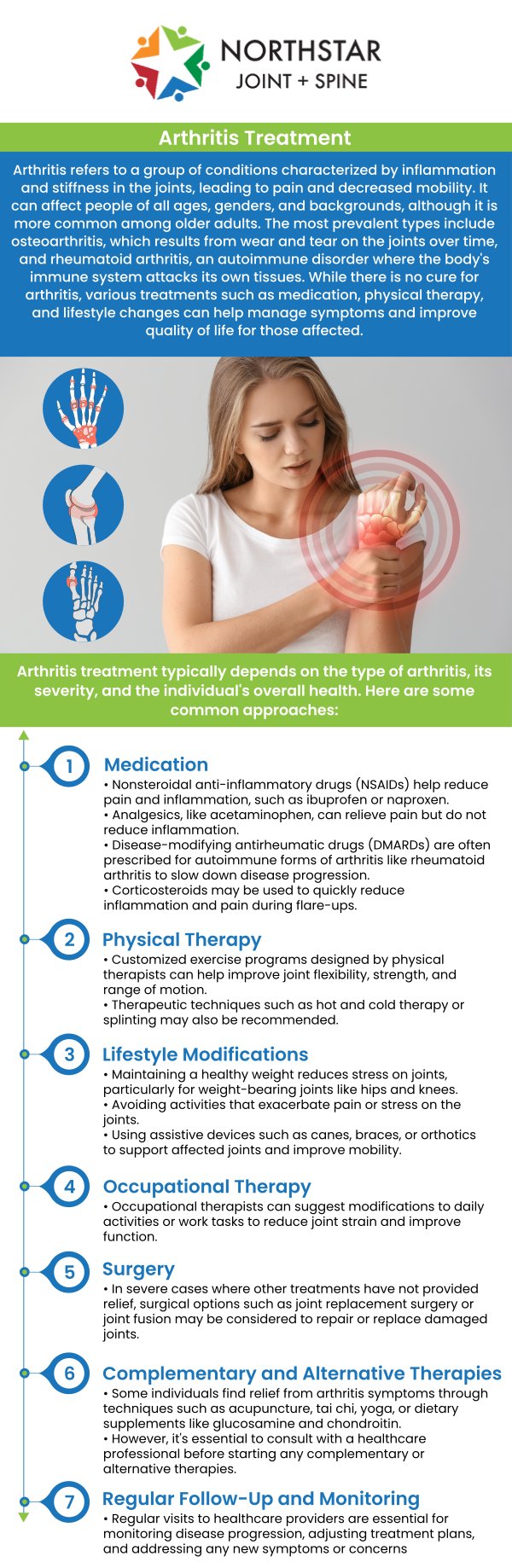
Table of Contents:
What are the symptoms of knee arthritis?
How does knee arthritis cause pain during movement?
What early signs should you look for in knee arthritis?
How does knee arthritis affect the range of motion in the knee?
What to Expect from Knee Arthritis Symptoms and How to Manage Them with Dr. Robert J. Nocerini, MD in Plano, TX
Knee arthritis typically presents with a variety of symptoms that can range from mild discomfort to severe pain. The most common symptoms include persistent knee pain, particularly when walking, standing, or climbing stairs. People with knee arthritis may also experience swelling in the joint, which can cause the knee to feel stiff or swollen to the touch. Additionally, patients often report a feeling of warmth around the knee joint, especially after activity. Over time, the pain may become more constant, and individuals may notice that the knee is less stable, making it difficult to move freely without discomfort.
In addition to pain and swelling, individuals with knee arthritis often experience a decrease in flexibility. The knee may feel stiff, particularly after sitting for long periods, and it can be harder to straighten or bend the knee fully. In more advanced stages, the condition can lead to a grinding sensation or audible sounds like popping or cracking when the knee is moved. These symptoms often worsen with physical activity and improve with rest, but can significantly impact an individual’s ability to perform daily tasks. Dr. Robert J. Nocerini, MD, in Plano, TX, offers effective treatments to manage these symptoms and improve joint function.
Knee arthritis causes pain during movement primarily due to the degradation of cartilage within the knee joint. The cartilage that typically cushions the bones in the knee wears away over time, causing the bones to rub against each other. This direct bone-on-bone contact can lead to inflammation, which triggers pain and discomfort. As the cartilage erodes, the joint becomes less efficient at absorbing the shock from everyday movements, which leads to further pain during activities like walking, bending, or even standing for extended periods.
As knee arthritis progresses, the pain experienced during movement can intensify. Swelling from inflammation and fluid build-up in the joint can worsen the discomfort, making movement more difficult and painful. Inflammation also leads to stiffening of the joint, limiting the flexibility needed to move freely. Dr. Robert J. Nocerini, MD, in Plano, TX, works with patients to alleviate pain caused by knee arthritis through targeted therapies, including physical therapy, medication, and lifestyle changes that help reduce inflammation and improve movement.
Early signs of knee arthritis often begin subtly, making it important to pay attention to changes in knee function. One of the first symptoms people may notice is stiffness, particularly after sitting for long periods or upon waking up in the morning. The knee may feel difficult to move or slightly locked, especially when trying to bend or straighten the leg. A person may also experience mild pain that worsens after activity, especially weight-bearing exercises like walking or climbing stairs. This early-stage discomfort often resolves with rest, but over time, it may become more persistent.
Another early warning sign of knee arthritis is a sensation of swelling around the knee joint. This swelling is often a result of inflammation and can make the knee feel warm or tender to the touch. As the condition progresses, the swelling and pain may become more frequent and harder to manage. If you notice any of these early symptoms, it’s important to consult with a healthcare provider. Dr. Robert J. Nocerini, MD, in Plano, TX, is skilled in diagnosing knee arthritis in its early stages and can recommend strategies to manage symptoms before the condition worsens.
Knee arthritis often leads to a decreased range of motion in the affected knee joint. As the condition progresses, the deterioration of cartilage and inflammation in the joint can cause stiffness, making it harder to fully extend or bend the knee. This limitation in movement can make routine activities such as walking, squatting, or climbing stairs more difficult. In some cases, the knee may become “locked” in a specific position, making it challenging to move the joint freely. The reduced range of motion is often accompanied by pain and discomfort, which further restricts mobility.
The lack of flexibility in the knee joint can also impact overall strength and coordination. Individuals with knee arthritis may notice that their gait changes as they adjust to the pain or stiffness, which can lead to further complications. Over time, the reduced range of motion can lead to muscle weakness in the leg, as less movement means less engagement of the muscles around the knee. Dr. Robert J. Nocerini, MD, in Plano, TX, offers comprehensive treatment plans to help improve mobility, reduce stiffness, and increase the range of motion, allowing patients to maintain their independence and quality of life.
Knee arthritis symptoms typically start with mild discomfort and stiffness, particularly after long periods of inactivity. As the condition progresses, patients may experience more persistent pain, swelling, and a noticeable decrease in the range of motion. Activities such as walking, climbing stairs, or standing for extended periods may become increasingly difficult due to joint pain. The knee may also feel stiff in the morning or after sitting for a while, and some patients experience pain that worsens with weather changes or excessive use of the joint.
Managing knee arthritis involves a comprehensive approach that includes lifestyle adjustments, physical therapy, and pain management techniques. Dr. Robert J. Nocerini, MD, in Plano, TX, focuses on helping patients manage their symptoms without the need for surgery. He works with patients to develop a personalized plan that may include strengthening exercises, weight management, and strategies to improve joint function and alleviate pain. With proper management, patients can continue to lead an active and fulfilling life despite knee arthritis. For more information, contact us today or schedule an appointment online. We are conveniently located at 7704 San Jacinto Pl Suite 200 Plano, TX 75024. We proudly serve patients from Plano TX, Frisco TX, Allen TX, McKinney TX, Richardson TX, Carrollton TX, Addison TX, The Colony TX, North Dallas TX, and surrounding communities throughout Collin County and the Dallas-Fort Worth area.

Check Out Our 5 Star Reviews


Additional Services You May Need
▸ Lower Back Pain
▸ Back Pain
▸ Shoulder Pain
▸ Chronic Pain
▸ Epidural Steroid Injections
▸ Spinal Cord Stimulation
▸ Viscosupplementation
▸ Genicular Nerve Blocks
▸ Facet Injections
▸ Joint Injections
▸ Sacroiliac Joint Injections
▸ Lumbar and Cervical
▸ Facet Medial Branch Blocks
▸ Diagnostic Nerve Blocks
▸ Medication Management
▸ Neck Pain Doctor
▸ Diabetic Peripheral Neuropathy
▸ Headaches
▸ Suboxone
▸ Peripheral Nerve Stimulation
▸ Wrist Pain
▸ Spine
▸ Joints
▸ Muscles
▸ Bones

Additional Services You May Need
▸ Lower Back Pain
▸ Back Pain
▸ Shoulder Pain
▸ Chronic Pain
▸ Epidural Steroid Injections
▸ Spinal Cord Stimulation
▸ Viscosupplementation
▸ Genicular Nerve Blocks
▸ Facet Injections
▸ Joint Injections
▸ Sacroiliac Joint Injections
▸ Lumbar and Cervical
▸ Facet Medial Branch Blocks
▸ Diagnostic Nerve Blocks
▸ Medication Management
▸ Neck Pain Doctor
▸ Diabetic Peripheral Neuropathy
▸ Headaches
▸ Suboxone
▸ Peripheral Nerve Stimulation
▸ Wrist Pain
▸ Spine
▸ Joints
▸ Muscles
▸ Bones





 Send Text
 How May I Help You?
