

Which Clinics Offer Knee Osteoarthritis Treatment in Plano, TX?
Knee osteoarthritis is a degenerative joint condition that occurs when the cartilage in the knee breaks down, causing pain, stiffness, and reduced mobility. It is most common in older adults but can also affect younger individuals due to factors like joint overuse or previous knee damage. As the cartilage wears away, the bones begin to rub together, leading to inflammation and discomfort. Board-certified Dr. Robert J. Nocerini, MD, at Northstar Joint and Spine in Plano, TX, offers personalized treatment options, including medications, physical therapy, and lifestyle changes, to reduce pain and improve joint function. For more information, please contact us today or schedule an appointment online. We are conveniently located at 7704 San Jacinto Pl Suite 200 Plano, TX 75024.
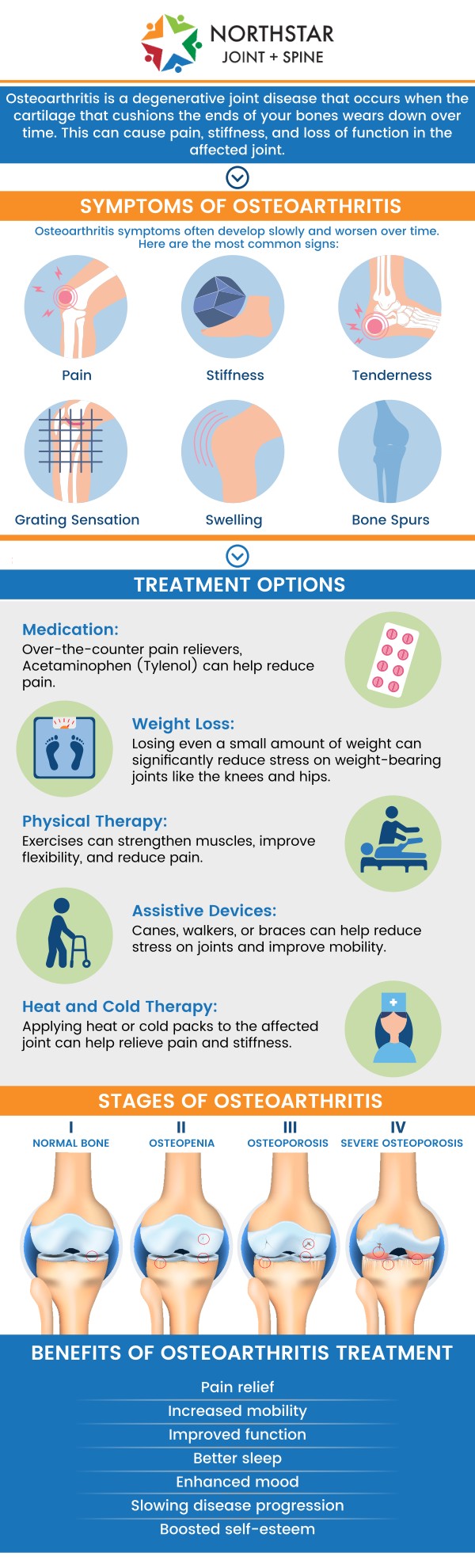
Table of Contents:
What is knee osteoarthritis?
What causes knee osteoarthritis?
What are the risk factors for knee osteoarthritis?
How is knee osteoarthritis diagnosed?
What are the treatment options for knee osteoarthritis?
Which Plano, TX, clinics offer advanced treatment for knee osteoarthritis?
Trusted Knee Osteoarthritis Treatment With Dr. Robert J. Nocerini, MD in Plano, TX at Northstar Joint and Spine
Knee osteoarthritis (OA) is a degenerative joint disease that affects the knee, where the protective cartilage in the knee joint breaks down over time. This leads to pain, stiffness, and limited movement in the joint. As the cartilage wears away, the bones begin to rub against each other, causing inflammation and discomfort. Knee osteoarthritis is most common in older adults, but it can also affect younger individuals, especially those who have a history of joint stress or certain risk factors. The condition can cause a gradual decline in joint function, making everyday activities such as walking, climbing stairs, or standing for long periods more difficult.
At Northstar Joint and Spine in Plano, TX, board-certified Dr. Nocerini provides comprehensive care for patients dealing with knee osteoarthritis. Dr. Nocerini works closely with each patient to determine the severity of the condition and develop a tailored treatment plan. Treatment options often include physical therapy, medications, and lifestyle adjustments designed to improve joint mobility and reduce pain. In cases of advanced degeneration, non-invasive options can still be effective in restoring joint function and improving the patient’s quality of life.
Knee osteoarthritis occurs when the cartilage that cushions the knee joint begins to break down over time. This can happen for various reasons, but the most common cause is age. As people age, the cartilage in their joints naturally wears down, leading to osteoarthritis. However, other factors can contribute to the development of knee osteoarthritis, including repetitive stress on the joint, previous knee damage, or genetic predisposition. For example, people who have engaged in high-impact sports or activities for many years may be at a higher risk of developing OA due to the constant pressure on their knees.
Dr. Nocerini at Northstar Joint and Spine, works with patients to identify the underlying causes of knee osteoarthritis and develop personalized treatment plans. By addressing the root causes, such as inflammation or joint instability, Dr. Nocerini helps manage symptoms and slow the progression of the disease. In some cases, modifying activity levels and implementing joint protection strategies can prevent further damage and reduce the impact of the condition.
Several risk factors can increase the likelihood of developing knee osteoarthritis. Some of the most common risk factors include:
• Age: The risk of developing knee osteoarthritis increases with age. As people get older, the cartilage in their joints naturally begins to wear down, leading to arthritis.
• Genetics: A family history of osteoarthritis can increase the risk of developing knee OA. Certain genetic factors may predispose individuals to cartilage degeneration and joint damage.
• Obesity: Excess weight places additional stress on the knee joints, accelerating cartilage wear and increasing the risk of developing knee osteoarthritis.
• Joint overuse: Repeated stress on the knees from certain occupations or activities can wear down the cartilage, increasing the risk of osteoarthritis. Individuals who perform physically demanding tasks or participate in high-impact sports are at greater risk.
• Previous joint damage: A history of joint issues, such as ligament tears or cartilage damage, can contribute to the development of knee osteoarthritis over time.
Dr. Nocerini, at Northstar Joint and Spine in Plano, TX, helps patients manage and reduce their risk of knee osteoarthritis by focusing on lifestyle modifications, exercise, and weight management. Early intervention and understanding personal risk factors are key in minimizing the impact of knee osteoarthritis and slowing its progression.
Knee osteoarthritis is diagnosed through a combination of physical exams, medical history reviews, and imaging tests. During a physical exam, a doctor will assess the range of motion in the knee, check for signs of swelling, and evaluate any tenderness or pain in the joint. The doctor will also ask about the patient’s symptoms, including the location of pain, when it occurs, and how it affects daily activities.
Imaging tests are used to confirm the diagnosis and determine the severity of knee osteoarthritis. X-rays are commonly used to assess the joint space and identify changes such as bone spurs or cartilage loss. In some cases, an MRI may be recommended to provide a more detailed view of the cartilage, soft tissues, and bones in the knee joint.
At Northstar Joint and Spine, Dr. Nocerini performs a thorough evaluation to diagnose knee osteoarthritis accurately. Based on the results of the physical exam and imaging tests, Dr. Nocerini develops a customized treatment plan to address the specific needs of each patient, focusing on pain management, joint mobility, and functional improvement.
The treatment for knee osteoarthritis focuses on relieving pain, improving joint function, and preventing further damage. The treatment plan will vary depending on the severity of the condition and the individual needs of the patient. Common treatment options include:
• Medications: Over-the-counter pain relievers such as NSAIDs can help manage pain and inflammation. For more severe cases, prescription medications, steroid injections, or hyaluronic acid injections may be used to reduce pain and improve joint lubrication.
• Physical therapy: A personalized physical therapy program can help improve flexibility, strengthen muscles around the knee, and enhance joint function. Physical therapists will teach exercises that reduce pain, improve stability, and help patients maintain mobility.
• Weight management: Maintaining a healthy weight can significantly reduce stress on the knee joint, helping to prevent further damage and improve symptoms.
• Assistive devices: Knee braces or splints can provide added support to the knee, making it easier to perform daily activities without discomfort.
At Northstar Joint and Spine, Dr. Nocerini offers a range of treatments, from non-invasive therapies like physical therapy and medication to advanced injections for long-term relief, all tailored to the patient’s specific needs.
If you’re seeking advanced treatment for knee osteoarthritis in Plano, TX, Northstar Joint and Spine offers comprehensive care for managing the condition. Dr. Robert J. Nocerini, MD, provides evaluation and treatment for knee osteoarthritis, focusing on a personalized approach that includes physical therapy, pain management, and lifestyle modifications. Whether through medications, joint injections, or non-surgical treatments, Dr. Nocerini works closely with patients to develop the most effective treatment plan tailored to their needs.
In Plano, TX, Northstar Joint and Spine is committed to helping individuals with knee osteoarthritis regain mobility, reduce pain, and improve their quality of life through cutting-edge treatments and expert care. By addressing both the symptoms and the underlying causes of knee osteoarthritis, Dr. Nocerini ensures a comprehensive, long-term approach to managing the condition.
Knee osteoarthritis is a progressive condition that affects many individuals, leading to pain, stiffness, and difficulty moving the knee. At Northstar Joint and Spine in Plano, TX, board-certified Dr. Robert J. Nocerini, MD, offers trusted treatments to manage symptoms and improve joint function. Dr. Nocerini takes a comprehensive approach, starting with a thorough evaluation of each patient’s condition to determine the most effective treatment options. His goal is to reduce pain, enhance mobility, and prevent further deterioration of the knee joint through non-invasive therapies, physical therapy, and lifestyle adjustments.
Dr. Nocerini works closely with patients to provide personalized care plans that are tailored to their specific needs and lifestyle. Whether through medications, physical therapy, or joint injections, Dr. Nocerini ensures that every patient receives the best possible care. At Northstar Joint and Spine, patients can expect compassionate care to manage knee osteoarthritis and improve their overall quality of life. For more information, please contact us today or schedule an appointment online. We are conveniently located at 7704 San Jacinto Pl Suite 200 Plano, TX 75024. We proudly serve patients from Plano TX, Frisco TX, Allen TX, McKinney TX, Richardson TX, Carrollton TX, Addison TX, The Colony TX, North Dallas TX, and surrounding communities throughout Collin County and the Dallas-Fort Worth area.

Check Out Our 5 Star Reviews


Additional Services You May Need
▸ Lower Back Pain
▸ Back Pain
▸ Shoulder Pain
▸ Chronic Pain
▸ Epidural Steroid Injections
▸ Spinal Cord Stimulation
▸ Viscosupplementation
▸ Genicular Nerve Blocks
▸ Facet Injections
▸ Joint Injections
▸ Sacroiliac Joint Injections
▸ Lumbar and Cervical
▸ Facet Medial Branch Blocks
▸ Diagnostic Nerve Blocks
▸ Medication Management
▸ Neck Pain Doctor
▸ Diabetic Peripheral Neuropathy
▸ Headaches
▸ Suboxone
▸ Peripheral Nerve Stimulation
▸ Wrist Pain
▸ Spine
▸ Joints
▸ Muscles
▸ Bones

Additional Services You May Need
▸ Lower Back Pain
▸ Back Pain
▸ Shoulder Pain
▸ Chronic Pain
▸ Epidural Steroid Injections
▸ Spinal Cord Stimulation
▸ Viscosupplementation
▸ Genicular Nerve Blocks
▸ Facet Injections
▸ Joint Injections
▸ Sacroiliac Joint Injections
▸ Lumbar and Cervical
▸ Facet Medial Branch Blocks
▸ Diagnostic Nerve Blocks
▸ Medication Management
▸ Neck Pain Doctor
▸ Diabetic Peripheral Neuropathy
▸ Headaches
▸ Suboxone
▸ Peripheral Nerve Stimulation
▸ Wrist Pain
▸ Spine
▸ Joints
▸ Muscles
▸ Bones





 Send Text
 How May I Help You?
