

What Causes Fatigue After an Epidural Steroid Injection?
Fatigue after an epidural steroid injection may result from sedation, temporary soreness, disrupted sleep, or the body’s response to the medication. Mild tiredness may begin shortly after the procedure or become noticeable the following day. Board-certified Dr. Robert J. Nocerini, MD, at NorthStar Joint & Spine helps patients understand expected post-procedure effects and signs that may require attention. Patients should contact the office if fatigue becomes severe, continues for several days, or occurs with fever, increasing weakness, breathing difficulty, or other unusual symptoms. For more information, contact us today or schedule an appointment online. We are conveniently located at 7704 San Jacinto Pl Suite 200 Plano, TX 75024.
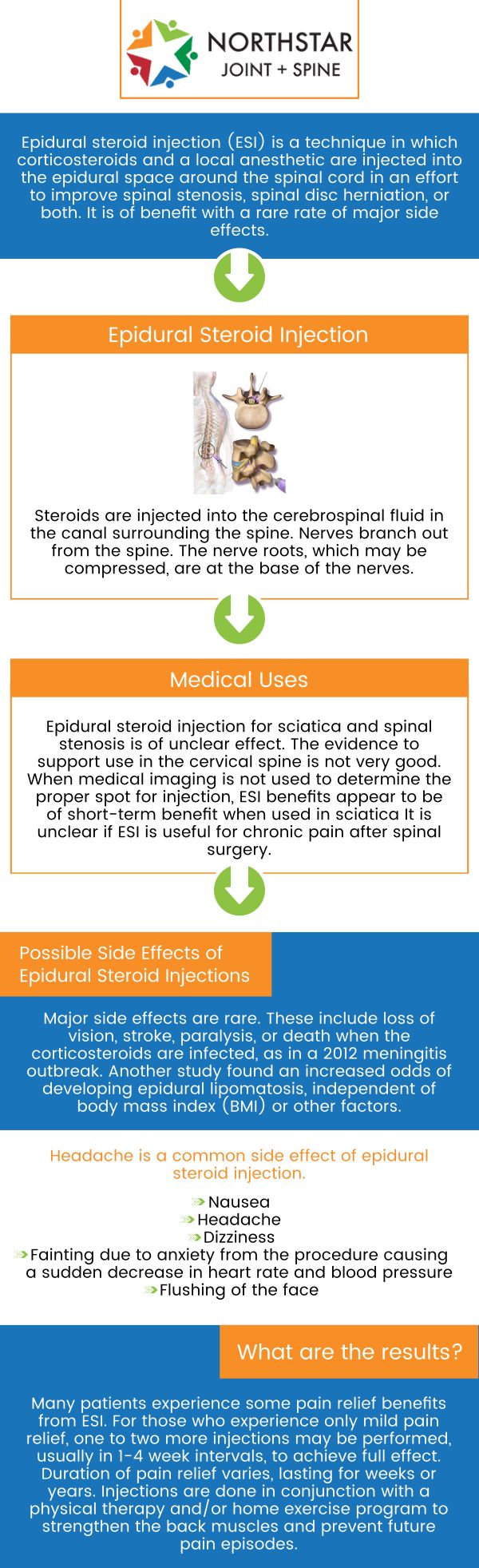
Table of Contents:
Is fatigue after an epidural steroid injection normal?
How long can fatigue after an epidural steroid injection last?
Can fatigue after an epidural steroid injection begin the next day?
What other symptoms may occur with fatigue after an epidural steroid injection?
Understand Fatigue After an Epidural Steroid Injection With Board-Certified Dr. Robert J. Nocerini, MD at NorthStar Joint and Spine
Mild fatigue can occur after an epidural steroid injection, although it is not one of the most commonly reported effects. Tiredness may be related to sedation, the physical stress of the procedure, disrupted sleep, temporary soreness, or the body’s response to the medications used. Some patients feel tired for the remainder of the day and may benefit from rest, hydration, and following their post-procedure instructions.
Fatigue should gradually improve rather than become more intense. Contact the treating physician if tiredness is severe, continues longer than expected, or occurs with fever, worsening weakness, breathing difficulty, dizziness, or other concerning symptoms.
Mild fatigue may last for several hours or up to a few days. The duration can depend on whether sedation was used, how well the patient slept, the amount of temporary discomfort experienced, and how the body responds to the steroid medication.
Patients should contact their physician if fatigue continues beyond several days, interferes significantly with normal activities, or becomes progressively worse. People with diabetes should follow their medical guidance for monitoring blood sugar because corticosteroid injections may temporarily affect glucose levels.
Recovery time varies from person to person, so patients should follow the specific aftercare instructions provided by Dr. Robert J. Nocerini, MD, at NorthStar Joint & Spine. Resting, staying hydrated, and gradually returning to normal activities may help while fatigue improves. Immediate medical attention is recommended if tiredness occurs with severe headache, rapidly worsening weakness, chest pain, difficulty breathing, or loss of bladder or bowel control.
Yes, fatigue may become noticeable the day after an epidural steroid injection. A patient may initially feel well after the procedure but experience tiredness later because of interrupted sleep, medication effects, temporary soreness, or changes in normal activity.
Next-day fatigue is generally less concerning when it is mild and improves with rest. Contact the treating physician when fatigue occurs with worsening pain, fever, severe headache, increasing numbness, new weakness, or difficulty walking.
Temporary symptoms may include soreness at the injection area, a brief increase in pain, facial flushing, sleeping difficulties, anxiety, headache, lightheadedness, or temporary numbness. The type and intensity of symptoms can vary depending on the medications used, the location of the injection, and the patient’s overall health.
Prompt medical attention is needed for a severe headache that worsens while sitting or standing, fever, increasing redness or drainage at the injection area, rapidly worsening weakness, loss of bladder or bowel control, chest pain, breathing difficulty, or signs of an allergic reaction.
Patients should follow the aftercare instructions provided by Dr. Robert J. Nocerini, MD, at NorthStar Joint & Spine and monitor how their symptoms change during recovery. Mild effects should gradually improve, but new, persistent, or worsening symptoms should be reported promptly so appropriate guidance and further evaluation can be provided.
Board-certified in Pain Medicine and Anesthesiology, Dr. Robert J. Nocerini, MD, helps patients understand fatigue after an epidural steroid injection at NorthStar Joint & Spine. Mild tiredness may occur because of sedation, temporary soreness, disrupted sleep, or the body’s response to the medication used during the procedure. Fatigue may begin the same day or become more noticeable the following day and often improves within several hours to a few days.
Dr. Nocerini provides clear post-procedure guidance based on each patient’s health history, medications, and response to the injection. Patients should contact the office if fatigue becomes severe, continues longer than expected, or occurs with fever, worsening weakness, severe headache, breathing difficulty, or other unusual symptoms. Careful monitoring helps patients recognize normal recovery changes and signs that may require further evaluation.
Rest is important during the early recovery period, especially on the day of the procedure. Patients may be advised to take short, gentle walks once they feel steady, but strenuous exercises, heavy lifting, repeated bending, and high-impact activities should be avoided until Dr. Nocerini says they can be resumed. Exercises should be restarted gradually based on comfort, strength, and the specific aftercare instructions provided.
Patients should not drive if sedation was used or while they are experiencing fatigue, dizziness, numbness, weakness, or reduced coordination. They should also avoid pushing through worsening pain, remaining in one position for long periods, or returning too quickly to demanding activities. Adequate rest, hydration, gentle movement, and following personalized aftercare instructions can support a safer and more comfortable recovery. For more information, contact us today or schedule an appointment online. We are conveniently located at 7704 San Jacinto Pl Suite 200 Plano, TX 75024. We proudly serve patients from Plano TX, Frisco TX, Allen TX, McKinney TX, Richardson TX, Carrollton TX, Addison TX, The Colony TX, North Dallas TX, and surrounding communities throughout Collin County and the Dallas-Fort Worth area.

Check Out Our 5 Star Reviews


Additional Services You May Need
▸ Lower Back Pain
▸ Back Pain
▸ Shoulder Pain
▸ Chronic Pain
▸ Epidural Steroid Injections
▸ Spinal Cord Stimulation
▸ Viscosupplementation
▸ Genicular Nerve Blocks
▸ Facet Injections
▸ Joint Injections
▸ Sacroiliac Joint Injections
▸ Lumbar and Cervical
▸ Facet Medial Branch Blocks
▸ Diagnostic Nerve Blocks
▸ Medication Management
▸ Neck Pain Doctor
▸ Diabetic Peripheral Neuropathy
▸ Headaches
▸ Suboxone
▸ Peripheral Nerve Stimulation
▸ Wrist Pain
▸ Spine
▸ Joints
▸ Muscles
▸ Bones

Additional Services You May Need
▸ Lower Back Pain
▸ Back Pain
▸ Shoulder Pain
▸ Chronic Pain
▸ Epidural Steroid Injections
▸ Spinal Cord Stimulation
▸ Viscosupplementation
▸ Genicular Nerve Blocks
▸ Facet Injections
▸ Joint Injections
▸ Sacroiliac Joint Injections
▸ Lumbar and Cervical
▸ Facet Medial Branch Blocks
▸ Diagnostic Nerve Blocks
▸ Medication Management
▸ Neck Pain Doctor
▸ Diabetic Peripheral Neuropathy
▸ Headaches
▸ Suboxone
▸ Peripheral Nerve Stimulation
▸ Wrist Pain
▸ Spine
▸ Joints
▸ Muscles
▸ Bones





 Send Text
 How May I Help You?
