

What Does Diabetic Neuropathy Feel Like?
Diabetic neuropathy can cause a range of sensations, often beginning in the feet and toes. At Northstar Joint and Spine, Board-Certified Dr. Robert Nocerini helps patients recognize and manage these early symptoms. Patients may experience numbness, tingling, or a “pins and needles” feeling that can progress upward, and some develop heightened sensitivity where even light touch or bedsheets can cause discomfort, potentially affecting balance and daily activities. For more information, contact us today or schedule an appointment online. We are conveniently located at 7704 San Jacinto Pl Suite 200 Plano, TX 75024.
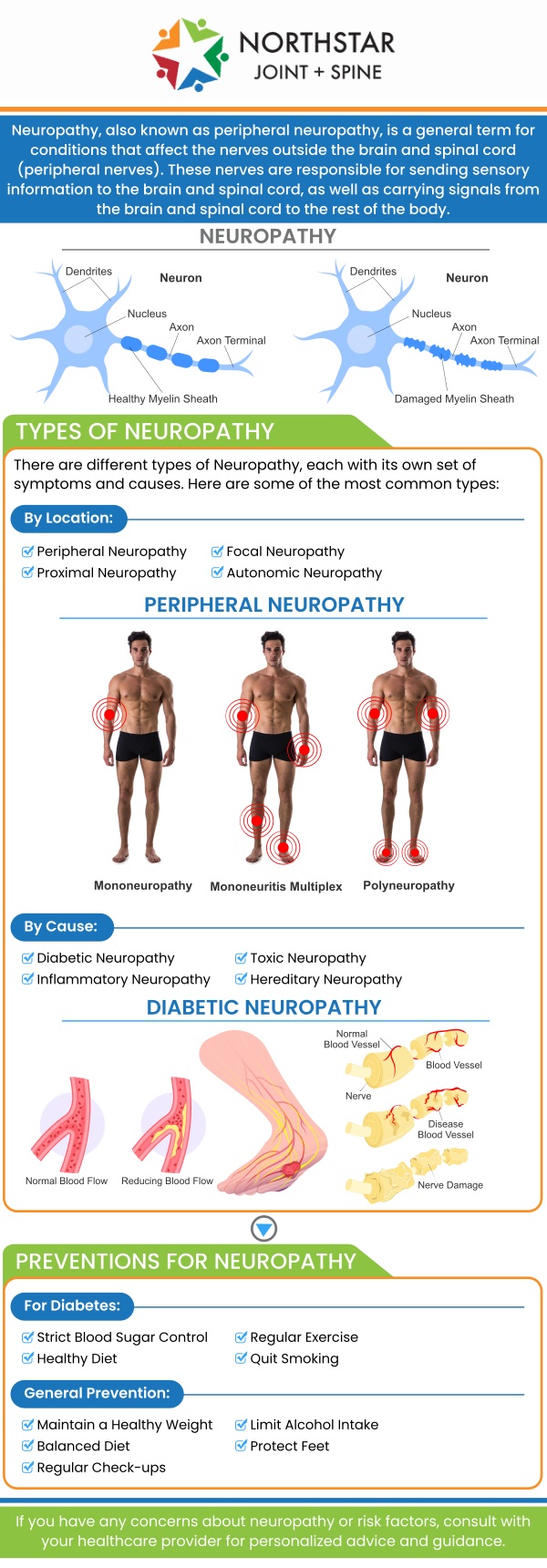
Table of Contents:
What causes diabetic neuropathy?
What are the risk factors for diabetic neuropathy?
What are the common symptoms of diabetic neuropathy?
How is diabetic neuropathy diagnosed?
What treatment options are available for diabetic neuropathy?
How can diabetic neuropathy be prevented?
How Board-Certified Dr. Robert Nocerini at Northstar Joint and Spine in Plano, TX Helps Patients With Diabetic Neuropathy
Diabetic neuropathy occurs when consistently high blood sugar levels gradually damage nerves throughout the body. Elevated glucose can interfere with how nerves transmit signals, affecting both sensation and coordination. Additionally, high blood sugar can weaken the small blood vessels that supply nerves with oxygen and nutrients, further contributing to nerve dysfunction.
This nerve and blood vessel damage can manifest in different forms of diabetic neuropathy, each affecting specific areas and functions. While the precise mechanisms vary depending on the type, prolonged uncontrolled blood sugar remains the primary cause, making early recognition and management crucial to prevent worsening symptoms.
Several factors increase the likelihood of developing diabetic neuropathy, although anyone with diabetes may be affected. Poor blood sugar control is one of the most significant risks, as ongoing elevated levels accelerate nerve stress and damage. The duration of diabetes also matters—the longer a person has the condition, the higher the chance of nerve complications.
Other risk factors include kidney issues, which can allow toxins to accumulate in the bloodstream and affect nerve function, and excess body weight, which places additional metabolic strain on nerves. Smoking further reduces circulation to the extremities, making the nerves more susceptible to damage. Recognizing these factors allows patients to work with their healthcare team to implement strategies to reduce risk.
Symptoms of diabetic neuropathy vary depending on the type and area of nerve damage. Peripheral neuropathy commonly begins in the feet and legs, producing numbness, tingling, burning sensations, cramps, and increased sensitivity to touch. Over time, chronic discomfort may cause subtle changes in posture or gait.
Autonomic neuropathy affects internal organs, causing digestive issues, bladder or bowel difficulties, irregular sweating, and changes in sexual function. Proximal neuropathy typically produces sharp pain and muscle weakness in the thighs, hips, or buttocks, making routine movements like standing from a chair challenging. Focal neuropathy involves sudden, localized nerve problems, which can include weakness in the hands or changes in vision. Early recognition helps patients manage symptoms effectively.
Diagnosis begins with a thorough review of medical history and a physical assessment. Clinicians evaluate muscle strength and tone, reflexes, and sensitivity to touch, temperature, and vibration. This helps identify patterns of nerve dysfunction and the likely type of neuropathy.
Doctors may also recommend noninvasive tests to confirm the diagnosis and assess severity. These can include tests for touch and vibration sensitivity, nerve response evaluations, and monitoring muscle function. Some assessments check how the autonomic nervous system regulates blood pressure and sweating, providing a full picture of nerve health.
Although diabetic neuropathy cannot be cured, treatment focuses on slowing progression, managing symptoms, and maintaining mobility. Keeping blood sugar within target levels is central to preventing further nerve damage. Lifestyle adjustments, including regular physical activity, balanced nutrition, and blood pressure control, play a critical role in managing symptoms.
Supportive care also helps patients maintain daily function. For example, strategies to protect the feet, improve balance, and manage discomfort can reduce the impact of neuropathy on everyday activities. Patients may work with specialists as needed to address specific symptoms or complications, all aimed at improving quality of life.
Preventing diabetic neuropathy centers on proactive blood sugar management and healthy lifestyle habits. Consistently monitoring glucose levels and maintaining them within recommended ranges helps reduce nerve stress. Regular exercise supports circulation, stabilizes blood sugar, and strengthens muscles to protect nerves.
Additional strategies include eating a nutrient-rich, balanced diet with controlled portion sizes and avoiding tobacco use, which impairs circulation. Maintaining a healthy body weight and staying active with daily movement helps keep nerves and blood vessels functioning optimally. Together, these measures significantly reduce the likelihood of neuropathy developing or progressing.
At Northstar Joint and Spine, Board-Certified Dr. Robert Nocerini provides personalized care for patients managing diabetic neuropathy. He evaluates each patient’s unique symptoms and creates a plan focused on maintaining function, preventing progression, and supporting overall well-being.
Dr. Nocerini emphasizes strategies to optimize blood sugar control, preserve mobility, and reduce discomfort in daily life. Through careful assessment and collaboration with patients, he develops individualized plans that may include lifestyle adjustments, physical activity guidance, and coordination with other specialists to support internal health and maintain quality of life. Diabetic neuropathy treatment is available at Northstar Joint and Spine.
For patients with persistent nerve-related pain, Peripheral Nerve Stimulation may be considered as part of an individualized pain management plan. This minimally invasive approach delivers mild electrical impulses near a targeted peripheral nerve to help modify pain signals. Dr. Robert Nocerini carefully reviews each patient’s symptoms, medical history, and response to previous care to determine whether Peripheral Nerve Stimulation may be appropriate for improving comfort, mobility, and daily function.
Northstar Joint & Spine is conveniently located in Plano, TX, and welcomes patients from nearby communities, including Frisco, Allen, McKinney, Richardson, Carrollton, Addison, The Colony, and North Dallas. The office is easily accessible from Legacy Drive, the Dallas North Tollway, and State Highway 121, making specialized diabetic neuropathy care available to patients throughout Collin County and the greater North Dallas area.
For more information, contact us today or schedule an appointment online. We are conveniently located at 7704 San Jacinto Pl Suite 200 Plano, TX 75024. We proudly serve patients from Plano TX, Frisco TX, Allen TX, McKinney TX, Richardson TX, Carrollton TX, Addison TX, The Colony TX, North Dallas TX, and surrounding communities throughout Collin County and the Dallas-Fort Worth area.

Check Out Our 5 Star Reviews


Additional Services You May Need
▸ Lower Back Pain
▸ Back Pain
▸ Shoulder Pain
▸ Chronic Pain
▸ Epidural Steroid Injections
▸ Spinal Cord Stimulation
▸ Viscosupplementation
▸ Genicular Nerve Blocks
▸ Facet Injections
▸ Joint Injections
▸ Sacroiliac Joint Injections
▸ Lumbar and Cervical
▸ Facet Medial Branch Blocks
▸ Diagnostic Nerve Blocks
▸ Medication Management
▸ Neck Pain Doctor
▸ Diabetic Peripheral Neuropathy
▸ Headaches
▸ Suboxone
▸ Peripheral Nerve Stimulation
▸ Wrist Pain
▸ Spine
▸ Joints
▸ Muscles
▸ Bones

Additional Services You May Need
▸ Lower Back Pain
▸ Back Pain
▸ Shoulder Pain
▸ Chronic Pain
▸ Epidural Steroid Injections
▸ Spinal Cord Stimulation
▸ Viscosupplementation
▸ Genicular Nerve Blocks
▸ Facet Injections
▸ Joint Injections
▸ Sacroiliac Joint Injections
▸ Lumbar and Cervical
▸ Facet Medial Branch Blocks
▸ Diagnostic Nerve Blocks
▸ Medication Management
▸ Neck Pain Doctor
▸ Diabetic Peripheral Neuropathy
▸ Headaches
▸ Suboxone
▸ Peripheral Nerve Stimulation
▸ Wrist Pain
▸ Spine
▸ Joints
▸ Muscles
▸ Bones





 Send Text
 How May I Help You?
