

Where to Find an Acromioclavicular (AC) Joint Osteoarthritis Doctor in Plano, TX?
Acromioclavicular (AC) joint osteoarthritis is a degenerative condition affecting the small joint where the collarbone meets the shoulder, often developing over time due to repetitive use and natural joint wear, leading to stiffness and limited shoulder movement; at Northstar Joint and Spine, Board-Certified Pain Specialist Dr. Robert J. Nocerini, focuses on accurate evaluation and personalized care to support joint function and mobility. For more information, please contact us today or schedule an appointment online. We are conveniently located at 7704 San Jacinto Pl Suite 200 Plano, TX 75024.
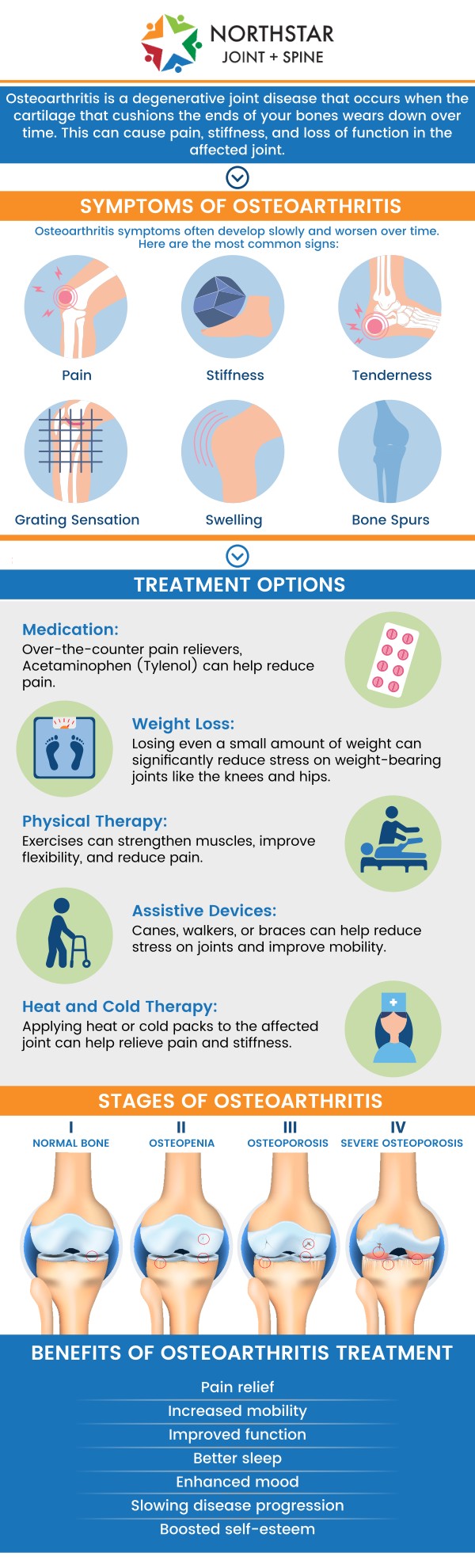
Table of Contents:
What is acromioclavicular (AC) joint osteoarthritis?
What causes acromioclavicular (AC) joint osteoarthritis?
What are the common symptoms of AC joint osteoarthritis?
How does AC joint osteoarthritis affect shoulder movement?
AC Joint Osteoarthritis: Causes, Symptoms, and Care With Dr. Robert J. Nocerini, MD
Acromioclavicular (AC) joint osteoarthritis is a degenerative condition affecting the small joint at the top of the shoulder where the clavicle meets the acromion of the shoulder blade. Although small in size, the AC joint plays a critical role in stabilizing shoulder movement and allowing smooth arm motion during daily activities such as lifting, reaching, and pushing. Over time, natural wear within this joint can lead to changes that affect comfort and mobility.
In a healthy AC joint, smooth cartilage covers the ends of the bones, allowing them to glide with minimal friction. With osteoarthritis, this cartilage gradually thins and becomes less effective at cushioning movement. As the joint space narrows, the bones may begin to experience increased contact during motion. The body may respond by forming additional bone along the joint margins, which can further limit movement and contribute to stiffness.
AC joint osteoarthritis is commonly associated with aging and long-term shoulder use. Unlike larger joints, even subtle cartilage changes in the AC joint can have a noticeable impact because of its limited space and constant involvement in shoulder mechanics. This condition may occur on one or both sides and often develops gradually, with symptoms increasing over time rather than appearing suddenly.
Because shoulder discomfort can originate from multiple joints and soft tissues, AC joint osteoarthritis is sometimes overlooked or mistaken for other shoulder conditions. Accurate identification is important to ensure appropriate care. At Northstar Joint and Spine in Plano, TX, Dr. Robert J. Nocerini, MD provides detailed evaluations to determine whether the AC joint is contributing to shoulder symptoms. His board-certified expertise in pain management allows patients to better understand their condition and explore non-surgical options aimed at improving comfort, mobility, and daily function.
AC joint osteoarthritis develops primarily due to long-term mechanical stress and gradual cartilage breakdown within the joint. The acromioclavicular joint is involved in nearly every shoulder movement, especially those requiring arm elevation or cross-body motion. Over many years, repeated loading of this joint can accelerate cartilage wear, even during routine daily activities.
One common contributing factor is repetitive shoulder use. Occupations or activities that involve frequent lifting, pushing, pulling, or overhead motion can place consistent stress on the AC joint. Over time, this repeated loading affects how cartilage absorbs force, making it less resilient and more prone to degeneration. Even individuals without physically demanding jobs may experience joint changes due to decades of everyday shoulder movement.
Postural alignment also plays an important role. Rounded shoulders or forward-leaning posture can alter how forces are distributed across the shoulder complex. When posture shifts load toward the top of the shoulder, the AC joint may experience increased pressure during movement. Muscle imbalances around the shoulder and upper back can further contribute by reducing joint stability and altering normal movement patterns.
Age-related tissue changes are another significant factor. As people get older, cartilage naturally loses elasticity and thickness, and the joint’s ability to tolerate stress decreases. Genetic factors may also influence cartilage durability, making some individuals more susceptible to joint degeneration than others. Structural variations in shoulder anatomy can further affect how the AC joint handles mechanical load.
At Northstar Joint and Spine, Dr. Robert J. Nocerini evaluates these contributing factors carefully to understand why AC joint osteoarthritis has developed. By identifying the underlying causes, care can be directed toward reducing ongoing joint stress and supporting long-term shoulder health.
Symptoms of AC joint osteoarthritis typically develop gradually and may vary depending on activity level and joint changes. One of the most common symptoms is localized discomfort at the top of the shoulder, often felt near the end of the collarbone. This discomfort may feel achy or sore and can become more noticeable during shoulder movement.
Many individuals report increased symptoms when lifting the arm overhead, reaching across the body, or performing pushing motions. Activities such as dressing, carrying items, or performing upper-body tasks may trigger discomfort because these movements place direct stress on the AC joint. Symptoms often improve with rest but may return once activity resumes.
Stiffness is another frequent symptom, especially after periods of inactivity. Some patients notice reduced shoulder flexibility or difficulty achieving full range of motion. A clicking, grinding, or catching sensation may also be felt during movement, reflecting changes in the joint surfaces. In some cases, mild swelling or a visible bump at the top of the shoulder may develop as the joint adapts to structural changes.
Although strength in the shoulder may remain intact, discomfort can lead to reduced use of the arm over time. This may affect daily routines and overall activity levels. Sleep disruption can also occur, particularly when lying on the affected side.
At Northstar Joint and Spine in Plano, TX, Dr. Robert J. Nocerini, MD, focuses on understanding how these symptoms affect each patient’s quality of life. Through careful assessment, patients receive clarity about whether AC joint osteoarthritis is contributing to their shoulder discomfort and how it can be addressed effectively.
AC joint osteoarthritis can significantly influence how the shoulder moves and functions during everyday activities. The acromioclavicular joint helps coordinate motion between the shoulder blade and the arm, particularly during lifting and overhead movements. When degeneration occurs within this joint, movement may become less smooth and more restricted.
As cartilage thins and joint space narrows, the AC joint becomes less efficient at absorbing force. This can lead to discomfort during arm elevation, especially when lifting objects or reaching across the body. To avoid discomfort, individuals may subconsciously alter how they move their shoulder, which can place added strain on surrounding muscles and joints.
Reduced joint flexibility can limit shoulder range of motion. Tasks that require full arm elevation or sustained positioning may become difficult. Over time, stiffness at the top of the shoulder can affect coordination between the shoulder blade and upper arm, leading to less fluid movement patterns.
Compensatory movement is common in people with AC joint osteoarthritis. When the AC joint becomes less tolerant of load, other parts of the shoulder may take on additional stress. This can contribute to fatigue and discomfort in surrounding tissues, further affecting overall shoulder performance.
At Northstar Joint and Spine, Board-Certified Pain Specialist Dr. Robert J. Nocerini, MD evaluates how AC joint osteoarthritis is influencing shoulder mechanics. By understanding movement limitations and compensatory patterns, care plans can be developed to improve mobility, reduce joint stress, and support functional shoulder use without surgery.
AC joint osteoarthritis develops when the small joint at the top of the shoulder gradually loses its protective cushioning, leading to stiffness, limited motion, and discomfort during everyday activities such as lifting, reaching, or overhead movement. Because this joint plays a key role in stabilizing shoulder motion, even mild degeneration can affect overall shoulder function. Understanding the causes and symptoms of AC joint osteoarthritis is essential for choosing the right care approach and avoiding unnecessary limitations in daily life.
At Northstar Joint and Spine in Plano, TX, patients receive specialized, non-surgical care for AC joint osteoarthritis from Board-Certified Pain Specialist Dr. Robert J. Nocerini, MD. Dr. Nocerini focuses on precise diagnosis, individualized treatment planning, and evidence-based pain management strategies designed to reduce joint stress and improve shoulder mobility. Serving Plano and surrounding Collin County communities, Northstar Joint and Spine is a trusted destination for advanced shoulder arthritis care centered on long-term comfort and improved quality of life. For more information, please contact us today or schedule an appointment online. We are conveniently located at 7704 San Jacinto Pl Suite 200 Plano, TX 75024. We proudly serve patients from Plano TX, Frisco TX, Allen TX, McKinney TX, Richardson TX, Carrollton TX, Addison TX, The Colony TX, North Dallas TX, and surrounding communities throughout Collin County and the Dallas-Fort Worth area.

Check Out Our 5 Star Reviews


Additional Services You May Need
▸ Lower Back Pain
▸ Back Pain
▸ Shoulder Pain
▸ Chronic Pain
▸ Epidural Steroid Injections
▸ Spinal Cord Stimulation
▸ Viscosupplementation
▸ Genicular Nerve Blocks
▸ Facet Injections
▸ Joint Injections
▸ Sacroiliac Joint Injections
▸ Lumbar and Cervical
▸ Facet Medial Branch Blocks
▸ Diagnostic Nerve Blocks
▸ Medication Management
▸ Neck Pain Doctor
▸ Diabetic Peripheral Neuropathy
▸ Headaches
▸ Suboxone
▸ Peripheral Nerve Stimulation
▸ Wrist Pain
▸ Spine
▸ Joints
▸ Muscles
▸ Bones

Additional Services You May Need
▸ Lower Back Pain
▸ Back Pain
▸ Shoulder Pain
▸ Chronic Pain
▸ Epidural Steroid Injections
▸ Spinal Cord Stimulation
▸ Viscosupplementation
▸ Genicular Nerve Blocks
▸ Facet Injections
▸ Joint Injections
▸ Sacroiliac Joint Injections
▸ Lumbar and Cervical
▸ Facet Medial Branch Blocks
▸ Diagnostic Nerve Blocks
▸ Medication Management
▸ Neck Pain Doctor
▸ Diabetic Peripheral Neuropathy
▸ Headaches
▸ Suboxone
▸ Peripheral Nerve Stimulation
▸ Wrist Pain
▸ Spine
▸ Joints
▸ Muscles
▸ Bones





 Send Text
 How May I Help You?
