

What Are the Stages of Osteoarthritis in the Neck?
The stages of osteoarthritis in the neck progress gradually, starting with mild symptoms like stiffness or discomfort, especially after long periods of activity or rest. As the condition advances, pain becomes more persistent, and the range of motion may decrease, making daily activities like turning the head or looking over the shoulder difficult. In later stages, patients may experience constant pain, weakness, and tingling sensations due to nerve compression. Dr. Robert J. Nocerini, MD, in Plano, TX, helps manage these stages with personalized care and non-surgical treatments to improve quality of life. For more information, contact us today or schedule an appointment online. We are conveniently located at 7704 San Jacinto Pl Suite 200 Plano, TX 75024.
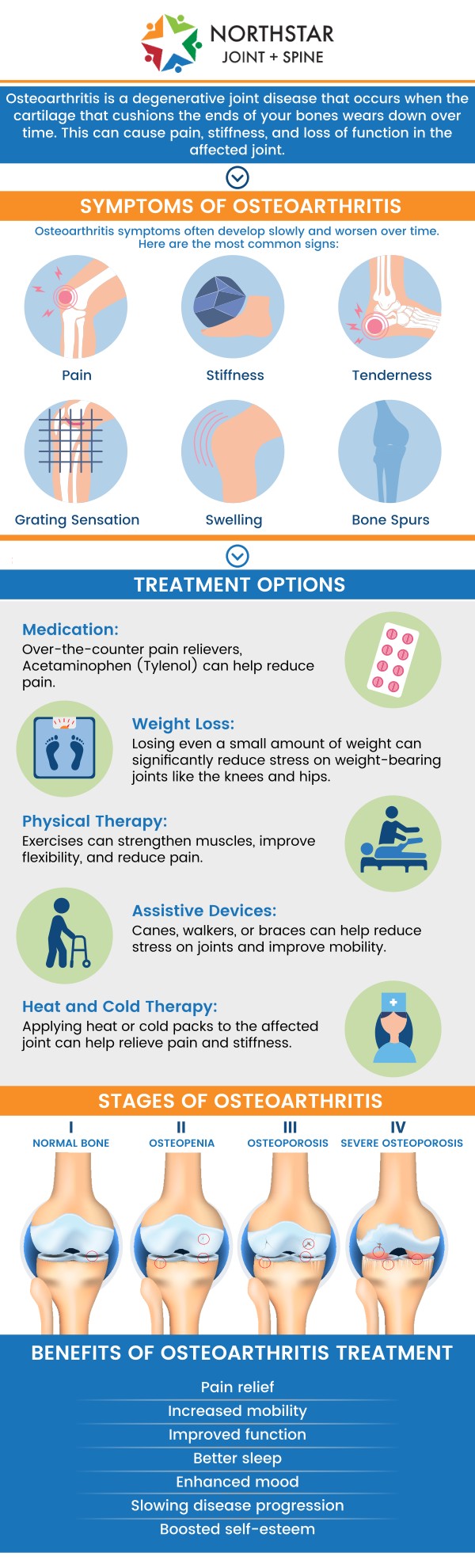
Table of Contents:
What are the early signs of osteoarthritis in the neck?
How do the symptoms of neck osteoarthritis change in the later stages?
What happens during the first stage of osteoarthritis in the neck?
Can osteoarthritis in the neck be reversed, or is it always progressive?
How Dr. Robert J. Nocerini, MD in Plano, TX Can Help You Manage the Stages of Neck Osteoarthritis in Plano, TX
Osteoarthritis in the neck, also known as cervical osteoarthritis, typically starts with mild discomfort or stiffness in the neck area. One of the earliest signs is pain or tenderness in the neck that may worsen after extended periods of sitting, sleeping, or looking down. Some people report experiencing reduced neck mobility, with difficulty turning the head fully from side to side. In the early stages, this discomfort may come and go, especially after activities like reading, driving, or other tasks that strain the neck.
As the condition progresses, patients may notice more persistent symptoms, including an aching sensation that extends from the neck to the shoulders or upper back. Another common early symptom is a sensation of tightness or muscle spasms around the neck, which can make it uncomfortable to move the head. Dr. Robert J. Nocerini, MD, in Plano, TX, helps patients recognize these early signs and provides guidance on managing them through non-surgical interventions such as physical therapy and lifestyle adjustments.
In the later stages of neck osteoarthritis, symptoms tend to become more persistent and severe. The pain may become more constant and not just limited to movements or specific activities. Patients often experience more pronounced stiffness, making it difficult to move the neck freely, which can impact daily activities such as driving, looking over the shoulder, or working at a desk. Numbness, tingling, or weakness in the arms and hands can also develop if the affected vertebrae compress nearby nerves, leading to radiating discomfort into the arms.
In addition to increased pain and stiffness, people in the later stages of cervical osteoarthritis may notice that their neck muscles become weaker, further limiting their ability to perform normal tasks. The range of motion is often significantly reduced, and the pain may intensify during periods of rest. Dr. Robert J. Nocerini, MD, in Plano, TX, provides treatment options to help manage these more advanced symptoms, focusing on improving function and minimizing discomfort without surgery.
During the first stage of osteoarthritis in the neck, the cartilage in the cervical spine begins to break down slowly. This early stage is often characterized by mild discomfort or stiffness that may not be noticeable at first. Some people experience intermittent neck pain or a feeling of tightness after activities such as sitting for long periods or performing tasks that strain the neck muscles. The discs in the spine may start to lose hydration, and small changes in the structure of the joint can begin to occur, but symptoms may not be severe or constant at this point.
In the early stages, osteoarthritis may not significantly impact daily life, but the signs are important to catch early. People may experience a mild reduction in range of motion, especially with turning the head or tilting the neck. Dr. Robert J. Nocerini, MD, in Plano, TX, helps patients manage the first stage of osteoarthritis through exercises and treatments aimed at improving flexibility, strength, and posture, reducing the risk of progression.
Osteoarthritis in the neck is a progressive condition, meaning it typically worsens over time. Unfortunately, the damage caused by osteoarthritis, such as the breakdown of cartilage and changes in the bones of the cervical spine, cannot be fully reversed. However, with early intervention and appropriate treatment, the progression of the disease can often be slowed, and symptoms can be managed effectively. Non-surgical options such as physical therapy, medication, and lifestyle modifications can significantly improve quality of life and help patients manage pain and stiffness.
While osteoarthritis cannot be reversed, many individuals can maintain a good level of function for years by addressing the underlying factors that contribute to the condition, such as muscle weakness, poor posture, and joint stiffness. Dr. Robert J. Nocerini, MD, in Plano, TX, works with patients to provide ongoing care and strategies for managing neck osteoarthritis, helping them lead active lives while minimizing the impact of the condition.
Dr. Robert J. Nocerini, MD, in Plano, TX, offers comprehensive care for patients dealing with neck osteoarthritis. His approach includes a thorough assessment of the condition’s severity, including physical exams and diagnostic testing to better understand the extent of the disease. Once a diagnosis is made, Dr. Nocerini works with patients to develop a personalized treatment plan that may include physical therapy, pain management techniques, and lifestyle changes to improve flexibility and reduce strain on the neck.
Throughout the various stages of neck osteoarthritis, Dr. Nocerini focuses on providing non-invasive treatments that help manage symptoms and slow the progression of the condition. His goal is to help patients maintain their quality of life by improving function and minimizing discomfort. By taking a proactive approach, Dr. Nocerini helps patients stay active and engaged in their daily activities without relying on surgery, emphasizing long-term care and prevention strategies for managing neck osteoarthritis. For more information, contact us today or schedule an appointment online. We are conveniently located at 7704 San Jacinto Pl Suite 200 Plano, TX 75024. We proudly serve patients from Plano TX, Frisco TX, Allen TX, McKinney TX, Richardson TX, Carrollton TX, Addison TX, The Colony TX, North Dallas TX, and surrounding communities throughout Collin County and the Dallas-Fort Worth area.

Check Out Our 5 Star Reviews


Additional Services You May Need
▸ Lower Back Pain
▸ Back Pain
▸ Shoulder Pain
▸ Chronic Pain
▸ Epidural Steroid Injections
▸ Spinal Cord Stimulation
▸ Viscosupplementation
▸ Genicular Nerve Blocks
▸ Facet Injections
▸ Joint Injections
▸ Sacroiliac Joint Injections
▸ Lumbar and Cervical
▸ Facet Medial Branch Blocks
▸ Diagnostic Nerve Blocks
▸ Medication Management
▸ Neck Pain Doctor
▸ Diabetic Peripheral Neuropathy
▸ Headaches
▸ Suboxone
▸ Peripheral Nerve Stimulation
▸ Wrist Pain
▸ Spine
▸ Joints
▸ Muscles
▸ Bones

Additional Services You May Need
▸ Lower Back Pain
▸ Back Pain
▸ Shoulder Pain
▸ Chronic Pain
▸ Epidural Steroid Injections
▸ Spinal Cord Stimulation
▸ Viscosupplementation
▸ Genicular Nerve Blocks
▸ Facet Injections
▸ Joint Injections
▸ Sacroiliac Joint Injections
▸ Lumbar and Cervical
▸ Facet Medial Branch Blocks
▸ Diagnostic Nerve Blocks
▸ Medication Management
▸ Neck Pain Doctor
▸ Diabetic Peripheral Neuropathy
▸ Headaches
▸ Suboxone
▸ Peripheral Nerve Stimulation
▸ Wrist Pain
▸ Spine
▸ Joints
▸ Muscles
▸ Bones





 Send Text
 How May I Help You?
