

Lower Back Hurts When Bending Over: Causes and Treatment Options
Lower back pain when bending over may develop due to strain, stiffness, or changes affecting the structures that support the lumbar spine. At NorthStar Joint & Spine in Plano, TX, patients receive personalized evaluations to better understand the factors contributing to bending-related back discomfort. Board-Certified Dr. Robert J. Nocerini, MD, focuses on creating individualized pain management plans based on each patient’s symptoms and condition. Through targeted care approaches, NorthStar Joint & Spine helps patients explore options for managing lower back pain and improving daily comfort. For more information, contact us today or schedule an appointment online. We are conveniently located at 7704 San Jacinto Pl Suite 200 Plano, TX 75024.
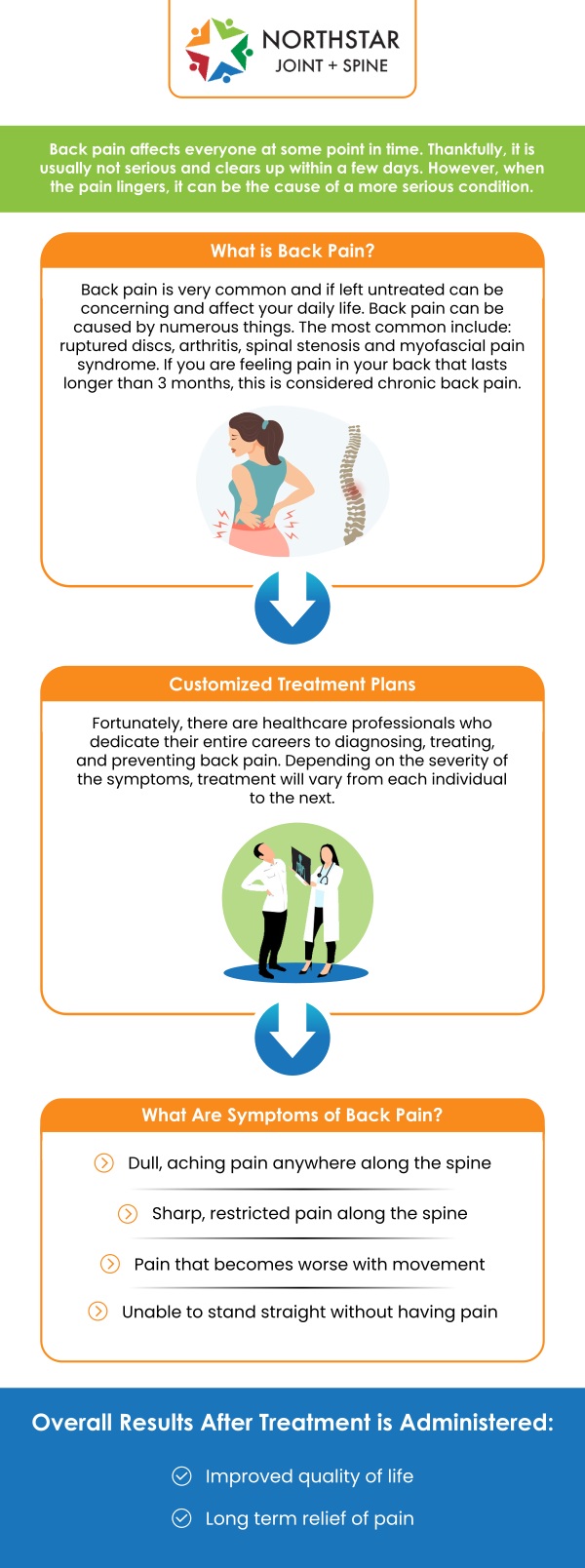
Table of Contents:
Why does my lower back hurt when bending over?
What causes lower back pain during bending movements?
When should bending-related back pain be checked?
How is lower back pain from bending diagnosed?
What treatment options may help lower back pain when bending over?
Lower Back Pain Treatment With Board-Certified Dr. Robert J. Nocerini at NorthStar Joint & Spine in Plano, TX
Lower back pain that occurs when bending over is a common concern that may develop from strain, changes affecting the spine, joint-related conditions, or irritation involving surrounding tissues. Bending places additional movement demands on the lower back, and discomfort during this motion may indicate that certain structures are becoming sensitive or affected by pressure.
Some people experience a sharp pain when leaning forward, while others may notice aching, stiffness, or discomfort that continues after bending movements. Understanding why lower back pain occurs during specific activities can help identify possible causes and determine when a professional evaluation may be beneficial.
At NorthStar Joint & Spine in Plano, TX, Board-Certified Dr. Robert J. Nocerini, MD, evaluates patients experiencing lower back pain to better understand their symptoms and contributing factors. Through a detailed review of medical history, pain patterns, and diagnostic information, Dr. Nocerini develops personalized pain management plans based on each patient’s condition and goals.
Why does my lower back hurt when bending over?
Lower back pain while bending over may occur when movement places increased stress on the muscles, joints, discs, or other structures that support the lumbar spine. Forward bending changes the way pressure is distributed through the lower back, which may make certain conditions or areas of sensitivity more noticeable.
Common reasons for lower back pain during bending may include:
• Muscle tension or strain affecting the lower back
• Irritation involving spinal joints or discs
• Reduced flexibility or stiffness in the surrounding structures
• Changes affecting the lumbar spine
• Nerve-related irritation that causes discomfort with movement
The location, intensity, and pattern of pain can provide important information about what may be contributing to symptoms. Some individuals may experience discomfort only during bending, while others may notice pain during sitting, standing, or other daily activities. At NorthStar Joint & Spine in Plano, TX, Board-Certified Dr. Robert J. Nocerini, MD, evaluates patients with bending-related lower back pain and develops personalized pain management plans based on their symptoms, condition, and individual goals.Add image
What causes lower back pain during bending movements?
Several conditions and lifestyle factors may contribute to lower back pain when bending. Because the lower back supports much of the body’s movement and weight, repeated stress or changes within the spine can affect how comfortable certain motions feel.
Possible contributors to bending-related lower back pain include:
| Possible Cause | How It May Affect Symptoms |
| Muscle tightness | May limit comfortable movement and increase soreness |
| Disc-related changes | May contribute to pain with certain spinal movements |
| Joint irritation | May cause discomfort during bending or position changes |
| Spinal changes | May affect flexibility and movement patterns |
| Nerve involvement | May contribute to radiating pain or unusual sensations |
Daily activities such as lifting, prolonged sitting, repetitive movements, or maintaining certain positions may also influence how the lower back responds. A detailed evaluation can help determine whether symptoms are related to the muscles, joints, nerves, or other structures.
When should bending-related back pain be checked?
Occasional lower back discomfort may improve with changes in activity or daily habits, but ongoing or worsening symptoms may require professional evaluation. Seeking care can help identify the underlying cause and determine appropriate management options.
A lower back evaluation may be beneficial if you experience:
• Pain that continues or becomes more frequent
• Increasing difficulty with movement
• Discomfort that affects sleep or daily activities
• Pain that travels into the hips, legs, or other areas
• Numbness, tingling, or changes in sensation
Understanding the cause of back pain early may help patients explore appropriate options for managing symptoms and maintaining daily function.
How is lower back pain from bending diagnosed?
Diagnosing lower back pain begins with understanding the patient’s symptoms, including when the pain occurs, what movements increase discomfort, and how symptoms affect daily activities. A physician may review medical history, previous treatments, physical findings, and available diagnostic information.
During an evaluation, important factors may include:
• Location and severity of pain
• Activities that trigger or reduce symptoms
• Range of motion and movement patterns
• Presence of nerve-related symptoms
• Previous medical conditions and health factors
Diagnostic imaging or additional evaluations may be considered when needed to better understand the structures contributing to discomfort. This information helps create a more personalized approach to managing lower back pain.
At NorthStar Joint & Spine in Plano, TX, Board-Certified Dr. Robert J. Nocerini, MD, evaluates patients with bending-related lower back pain by reviewing symptom patterns, medical history, and diagnostic findings to develop individualized pain management recommendations based on their condition and goals.
What treatment options may help lower back pain when bending over?
Treatment options for lower back pain depend on the underlying cause, severity of symptoms, and individual health factors. A personalized approach focuses on identifying contributing factors and selecting care options that align with the patient’s condition.
Possible pain management approaches may include:
• Medication management when appropriate
• Targeted injections for specific sources of pain
• Nerve blocks or diagnostic procedures when indicated
• Personalized activity recommendations
• Ongoing monitoring to evaluate symptom changes
The goal of treatment is to help manage discomfort, support mobility, and improve daily function while addressing factors contributing to ongoing symptoms. At NorthStar Joint & Spine in Plano, TX, Board-Certified Dr. Robert J. Nocerini, MD, evaluates patients with bending-related back pain and develops personalized pain management plans based on their symptoms, diagnosis, and individual needs.
Lower Back Pain Treatment With Board-Certified Dr. Robert J. Nocerini at NorthStar Joint & Spine in Plano, TX
At NorthStar Joint & Spine in Plano, TX, Board-Certified Dr. Robert J. Nocerini, MD, evaluates patients experiencing lower back pain that occurs with bending and other movements. By reviewing symptom patterns, medical history, and diagnostic findings, Dr. Nocerini works to understand possible sources of discomfort and develop a personalized pain management approach.
NorthStar Joint & Spine focuses on individualized care plans designed around each patient’s condition, symptoms, and goals. Patients experiencing bending-related lower back pain can receive guidance focused on understanding their symptoms and exploring appropriate options for managing discomfort and improving daily function. For more information, contact us today or schedule an appointment online. We are conveniently located at 7704 San Jacinto Pl Suite 200 Plano, TX 75024.

Check Out Our 5 Star Reviews


Additional Services You May Need
▸ Lower Back Pain
▸ Back Pain
▸ Shoulder Pain
▸ Chronic Pain
▸ Epidural Steroid Injections
▸ Spinal Cord Stimulation
▸ Viscosupplementation
▸ Genicular Nerve Blocks
▸ Facet Injections
▸ Joint Injections
▸ Sacroiliac Joint Injections
▸ Lumbar and Cervical
▸ Facet Medial Branch Blocks
▸ Diagnostic Nerve Blocks
▸ Medication Management
▸ Neck Pain Doctor
▸ Diabetic Peripheral Neuropathy
▸ Headaches
▸ Suboxone
▸ Peripheral Nerve Stimulation
▸ Wrist Pain
▸ Spine
▸ Joints
▸ Muscles
▸ Bones

Additional Services You May Need
▸ Lower Back Pain
▸ Back Pain
▸ Shoulder Pain
▸ Chronic Pain
▸ Epidural Steroid Injections
▸ Spinal Cord Stimulation
▸ Viscosupplementation
▸ Genicular Nerve Blocks
▸ Facet Injections
▸ Joint Injections
▸ Sacroiliac Joint Injections
▸ Lumbar and Cervical
▸ Facet Medial Branch Blocks
▸ Diagnostic Nerve Blocks
▸ Medication Management
▸ Neck Pain Doctor
▸ Diabetic Peripheral Neuropathy
▸ Headaches
▸ Suboxone
▸ Peripheral Nerve Stimulation
▸ Wrist Pain
▸ Spine
▸ Joints
▸ Muscles
▸ Bones





 Send Text
 How May I Help You?
