

What Is Anterior Knee Pain?
Anterior knee pain refers to discomfort at the front of the knee, often around or behind the kneecap. It is commonly caused by overuse, muscle imbalances, or improper tracking of the kneecap, especially during activities like running or climbing stairs. Symptoms include pain, swelling, and stiffness, which may worsen with activity or prolonged sitting. Dr. Robert J. Nocerini, MD, at Northstar Joint and Spine, provides personalized care to help manage the pain and improve knee function through targeted non-surgical treatments. For more information, contact us today or schedule an appointment online. We are conveniently located at 7704 San Jacinto Pl Suite 200 Plano, TX 75024.
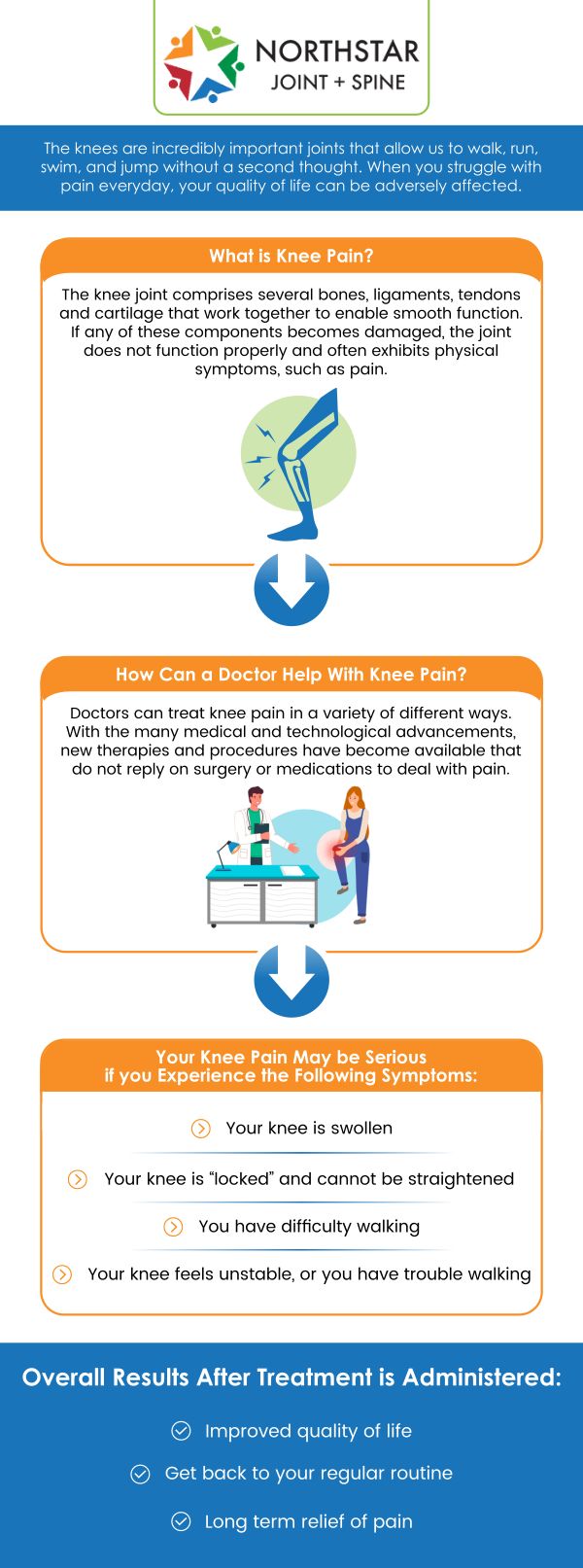
Table of Contents:
What are the common causes of anterior knee pain?
What are the symptoms of anterior knee pain?
How is anterior knee pain diagnosed?
What treatment options are available for anterior knee pain?
How can anterior knee pain be prevented?
How to Diagnose and Treat Anterior Knee Pain with Dr. Robert J. Nocerini, MD at Northstar Joint and Spine
Anterior knee pain refers to discomfort felt at the front of the knee, often around or behind the kneecap. It commonly develops due to overuse, muscle imbalances, or improper tracking of the kneecap as it moves along the joint. Activities such as frequent stair climbing, squatting, running, or prolonged sitting can place repeated stress on the front of the knee. Weakness in the quadriceps or tightness in surrounding muscles can also affect how the kneecap aligns, increasing pressure in that area. In some cases, structural differences in the knee or foot mechanics may contribute to uneven load distribution, leading to irritation over time.
Lifestyle factors also play a role in the development of anterior knee pain. Poor posture, lack of flexibility, and insufficient warm-up before physical activity can all increase strain on the knee joint. Carrying excess body weight may further add pressure to the front of the knee, especially during weight-bearing movements. Dr. Robert J. Nocerini, MD, at Northstar Joint and Spine focuses on identifying these contributing factors and developing personalized care plans. By addressing muscle balance, movement patterns, and daily habits, patients can experience improved comfort and better knee function without invasive approaches.
The most common symptom of anterior knee pain is a dull, aching discomfort at the front of the knee, particularly during activities like walking, running, or climbing stairs. Many individuals also notice increased discomfort when sitting for extended periods with the knees bent, often referred to as “moviegoer’s knee.” Swelling around the kneecap may occur, along with a sensation of tightness or pressure. Some people describe a grinding or clicking feeling when bending or straightening the knee, which can make movement feel less smooth.
As the condition progresses, symptoms may become more noticeable during everyday activities. Tasks such as kneeling, squatting, or standing up from a seated position can become uncomfortable. The knee may feel weak or unstable at times, especially after prolonged use. Early recognition of these symptoms is important for effective management. Dr. Robert J. Nocerini, MD, at Northstar Joint and Spine, evaluates these signs carefully to determine the underlying cause. With the right approach, patients can reduce discomfort, improve mobility, and return to their normal routines with greater ease.
Diagnosing anterior knee pain begins with a detailed medical history and physical examination. During the evaluation, a healthcare provider assesses how the knee moves, checks for tenderness around the kneecap, and evaluates muscle strength and flexibility. Observing walking patterns, posture, and alignment helps identify any imbalances that may be contributing to the discomfort. Patients are often asked about their daily activities, exercise routines, and when the pain typically occurs to better understand the pattern of symptoms.
In some cases, imaging studies such as X-rays or MRI scans may be used to rule out other conditions and provide a clearer view of the knee joint. These tools help identify structural changes, cartilage wear, or alignment concerns that may not be visible during a physical exam. Dr. Robert J. Nocerini, MD, at Northstar Joint and Spine uses a comprehensive approach to diagnosis, ensuring that all contributing factors are considered. This thorough evaluation allows for the development of a targeted, non-invasive treatment plan that addresses the root cause of the pain.
Treatment for anterior knee pain typically focuses on relieving discomfort and improving the function of the knee joint. Non-invasive approaches such as physical therapy play a central role, helping to strengthen the muscles around the knee and improve flexibility. Targeted exercises can correct imbalances, enhance kneecap alignment, and reduce stress on the joint. Activity modification is also important, allowing the knee to recover while gradually reintroducing movement in a controlled manner.
Additional options may include anti-inflammatory medications, supportive bracing, or taping techniques to provide stability and reduce strain. Lifestyle adjustments, such as maintaining a healthy weight and wearing proper footwear, can further support knee health. Dr. Robert J. Nocerini, MD, at Northstar Joint and Spine creates individualized care plans tailored to each patient’s needs. By combining multiple non-surgical strategies, patients can experience lasting relief and improved mobility without the need for invasive procedures.
Preventing anterior knee pain involves maintaining proper muscle balance, flexibility, and alignment. Regular exercise that strengthens the quadriceps, hamstrings, and hip muscles helps support the knee joint and ensures smooth movement. Stretching routines can improve flexibility and reduce tension around the kneecap, lowering the risk of discomfort. It is also important to gradually increase activity levels rather than making sudden changes that place excessive strain on the knee.
Paying attention to posture and movement patterns can further reduce the likelihood of developing anterior knee pain. Wearing supportive footwear and using proper techniques during physical activities can help distribute weight evenly across the joint. Maintaining a healthy weight also plays a key role in minimizing stress on the knees. Dr. Robert J. Nocerini, MD, at Northstar Joint and Spine, emphasizes preventive care by guiding patients on safe exercise habits and lifestyle choices. With consistent attention to these factors, individuals can protect their knee health and stay active.
At Northstar Joint and Spine, diagnosing anterior knee pain begins with a comprehensive and patient-focused evaluation. Dr. Robert J. Nocerini, MD, carefully assesses each individual’s symptoms, movement patterns, and overall joint function. By understanding the specific factors contributing to the discomfort, he is able to create a clear and accurate diagnosis. This thorough approach ensures that treatment is not only effective but also tailored to the patient’s unique needs and lifestyle.
Treatment at Northstar Joint and Spine focuses on non-surgical methods designed to relieve pain and restore function. Dr. Nocerini emphasizes personalized care plans that may include physical therapy, guided exercise programs, and lifestyle modifications. The goal is to improve strength, flexibility, and alignment while reducing stress on the knee joint. With ongoing support and expert guidance, patients can achieve long-term relief and return to their daily activities with confidence and improved mobility. For more information, contact us today or schedule an appointment online. We are conveniently located at 7704 San Jacinto Pl Suite 200 Plano, TX 75024. We proudly serve patients from Plano TX, Frisco TX, Allen TX, McKinney TX, Richardson TX, Carrollton TX, Addison TX, The Colony TX, North Dallas TX, and surrounding communities throughout Collin County and the Dallas-Fort Worth area.

Check Out Our 5 Star Reviews


Additional Services You May Need
▸ Lower Back Pain
▸ Back Pain
▸ Shoulder Pain
▸ Chronic Pain
▸ Epidural Steroid Injections
▸ Spinal Cord Stimulation
▸ Viscosupplementation
▸ Genicular Nerve Blocks
▸ Facet Injections
▸ Joint Injections
▸ Sacroiliac Joint Injections
▸ Lumbar and Cervical
▸ Facet Medial Branch Blocks
▸ Diagnostic Nerve Blocks
▸ Medication Management
▸ Neck Pain Doctor
▸ Diabetic Peripheral Neuropathy
▸ Headaches
▸ Suboxone
▸ Peripheral Nerve Stimulation
▸ Wrist Pain
▸ Spine
▸ Joints
▸ Muscles
▸ Bones

Additional Services You May Need
▸ Lower Back Pain
▸ Back Pain
▸ Shoulder Pain
▸ Chronic Pain
▸ Epidural Steroid Injections
▸ Spinal Cord Stimulation
▸ Viscosupplementation
▸ Genicular Nerve Blocks
▸ Facet Injections
▸ Joint Injections
▸ Sacroiliac Joint Injections
▸ Lumbar and Cervical
▸ Facet Medial Branch Blocks
▸ Diagnostic Nerve Blocks
▸ Medication Management
▸ Neck Pain Doctor
▸ Diabetic Peripheral Neuropathy
▸ Headaches
▸ Suboxone
▸ Peripheral Nerve Stimulation
▸ Wrist Pain
▸ Spine
▸ Joints
▸ Muscles
▸ Bones





 Send Text
 How May I Help You?
